How to Prune Cardoon?
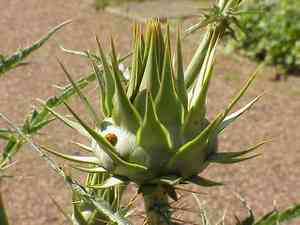
This perennial, resembling a thistle, is celebrated for its palatable stems and taste akin to artichokes. For cardoon, perform trimming following the primary yield in the initial part of summer. Eliminate flower stems to strengthen vegetative development, and trim away aged or lifeless leaves to encourage fresh sprouts. This practice enhances air movement and plant robustness, diminishing the likelihood of ailments. Customize cuts to preserve the preferred form and dimensions, ensuring implements are sterile and keen to prevent harm to cardoon. Executing pruning at the recommended period corresponds with its inherent resting stage.
What Are the Benefits of Pruning Cardoon?
What Are the Benefits of Pruning Cardoon?
Trimming cardoon encourages more abundant yields by promoting vigorous development. Cutting back the foliage helps maintain an attractive form and size, crucial for both visual appeal and overall plant wellness. Careful trimming also aids in disease prevention by enhancing air movement within the plant's structure.
What Is the Best Time for Pruning Cardoon?
What Is the Best Time for Pruning Cardoon?
Pruning in early summer allows cardoon to recover and rejuvenate after its blooming period, typically in spring. It prevents unnecessary energy expenditure on seed production if the flower heads are not desired. This timing also helps maintain plant health by removing any spent stems, which can reduce disease and pest issues. Additionally, it encourages a more compact growth habit, preparing the plant for the next season's growth. Pruning at this time aligns with the plant's natural growth cycle, ensuring it remains vigorous and productive.
What Tools Do I Need to Prune Cardoon?
Bypass pruners
Perfect for cutting through live, green stems and leaves of cardoon with greater accuracy, causing less harm to the plant tissues.
Loppers
Suitable for reaching into cardoon's dense foliage and cutting thicker stems that are beyond the reach of hand pruners.
Garden gloves
Essential to safeguard hands from cardoon's spiny leaves during trimming.
Long-sleeved shirt
Recommended to wear to protect skin from cardoon's rough texture and sharp edges while pruning.
Pruning saw
Useful for removing old, woody stems of cardoon that are too thick for loppers to cut through.
Disinfectant for tools
Crucial for preventing the spread of disease and preserving the health of cardoon after each cut.
How to Prune Cardoon
Step1: Timing Pruning Season
Determine the correct time of year for trimming cardoon, which is typically after the last frost in spring or in early summer, once the risk of frost has passed and before new growth begins.
Step2: Sanitize Pruning Tools
Sterilize your pruning shears with alcohol or a bleach solution to prevent the spread of disease and ensure a clean cut.
Step3: Dead Stem Identification
Examine cardoon to locate dead stems. These will be brown, dry, and hollow, without green growth or viable buds. Dead stems can attract pests and diseases, therefore their removal is crucial.
Step4: Cutting Dead Stems
Trim the dead stems at the base of cardoon, where they meet the main plant, or at ground level if the stem originates there. Make cuts at a 45-degree angle to promote healing and prevent water accumulation.
Step5: Yellow Leaf Removal
Look for yellow leaves, which indicate aging or stress-related deterioration. Removing these allows cardoon to redirect its energy to healthier growth.
Step6: Trimming Yellow Leaves
Clip the yellow leaves from cardoon where they connect to the stem or the main leaf vein. Make each cut clean and close to the base without damaging new buds or leaves.
Step7: Withered Branch Location
Identify withered branches, which are no longer producing new growth and may be detracting from the overall health and appearance of cardoon.
Step8: Pruning Withered Branches
Prune back withered branches to the nearest healthy set of leaves or buds. If the entire branch is withered, remove it at the point of origin from the main stem.
Step9: Thinning Dense Growth
Thin out dense areas of growth to improve air circulation, which is vital in preventing fungal infections and other diseases in cardoon.
Step10: Aesthetic Shaping Pruning
Shape cardoon by selectively pruning to maintain an aesthetically pleasing form. Do not remove more than one-third of the plant in a single pruning session to avoid stressing it.
Step11: Pruned Material Disposal
Dispose of the pruned material, preferably by composting, to prevent any diseases or pests from being transmitted back to cardoon or other plants in the garden.
Step12: Post-Pruning Irrigation
Water cardoon adequately after pruning to encourage recovery and new growth, always being mindful of the water needs specific to this species.
Post-Pruning Care for Cardoon
Post-Pruning Care for Cardoon
Immediately after trimming cardoon, irrigate the plant to encourage recovery. Manage light exposure by providing full sun, whilst maintaining moderate humidity and cool to warm temperatures. Apply a balanced fertilizer to replenish nutrients. Monitor cardoon for wilting, discoloration, or infection signs, and employ prompt disease control measures if needed. Regular observation will ensure a healthy regrowth.
Common Pruning Mistakes with Cardoon
Excessive Pruning Reduces Flowers and Vigor
Over-trimming, which can lead to reduced vigor and fewer flowers in cardoon.
Damage from Dull or Dirty Pruning Tools
Using dull or dirty pruning tools that can cause damage to cardoon's stems and potentially introduce disease.
Harmful Cutting into Old Wood
Cutting into old wood beyond the current year's growth, which may harm cardoon's ability to produce shoots.
Increased Infection Risk by Pruning Too Close to Nodes
Trimming too close to a leaf node, which can increase the risk of infection or decay in cardoon.
Reduced Growth from Neglecting to Deadhead
Neglecting to remove spent flowers, which can decrease the vegetative growth and vigor of cardoon.
Common Pruning Tips for Cardoon
Promote Healing with Sharp, Clean Cuts
Use sharp and clean pruning shears to make clean cuts on cardoon, which help promote quick healing.
Encourage Growth by Pruning to Strong Buds
Cut back the flowered shoots to strong buds or young lower-growing side shoots in cardoon, to encourage robust regrowth.
Prevent Disease with Good Air Circulation
Thin out crowded growth to ensure good air circulation around cardoon, which helps reduce the risk of pests and diseases.
Maintain Shape with Adequate Light and Air
Leave enough growth to maintain an aesthetically pleasing shape, while still allowing light and air to reach the inner parts of cardoon.
Stimulate Flowering by Regular Deadheading
Regularly deadhead spent blooms to stimulate cardoon to produce more flowers and maintain plant energy.
Healthier Growth by Following Natural Shape
Follow the natural shape of cardoon when pruning, rather than imposing an unnatural form, to promote healthier growth.



