How to Prune Golden-thread orchid?
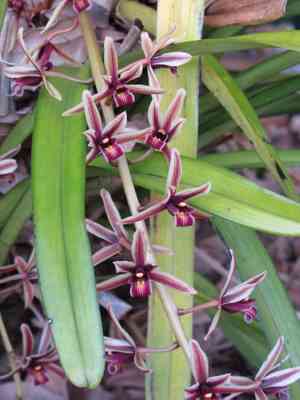
The golden-thread orchid, a highly valued exotic variety, showcases impressive flowers and extended foliage. Effective pruning entails severing withered flower stalks at their origin once blossoms have faded, thereby stimulating subsequent flowering. Consistent elimination of discolored or lifeless leaves contributes to the plant's well-being. This horticultural practice can be performed throughout the year, either following a blooming cycle or when general upkeep is necessary. The advantages of pruning encompass fostering robust growth, preserving an appealing form, and averting ailments by enhancing air circulation. Meticulous attention is crucial to safeguard the pseudobulbs from harm.
Advantages of Trimming Golden-thread Orchid
Advantages of Trimming Golden-thread Orchid
Trimming golden-thread orchid promotes abundant flowering by directing its energy towards bloom development. Strategic cuts also encourage robust growth and maintain a tidy form, crucial for its visual appeal and vitality.
Optimal Time for Trimming Golden-thread Orchid?
Optimal Time for Trimming Golden-thread Orchid?
Trimming or cutting back golden-thread orchid from late winter to early spring, just before new growth emerges, is beneficial. This timing allows for the removal of any dead or damaged foliage from the prior growing season without depleting the plant's energy reserves, which are vital for initiating new growth. Pruning during this period also helps maintain golden-thread orchid's shape and encourages more prolific blooms during its flowering season. Furthermore, removing old pseudobulbs once new shoots are mature ensures that the plantâs resources are channeled into new growth and maximizes its flowering potential. Itâs important to note that while the input suggests year-round pruning, late winter to early spring pruning aligns the process with the plant's natural growth cycle, contributing to the overall health and vigor of golden-thread orchid.
Required Tools for Pruning Golden-thread Orchid?
Sanitized Scissors or Pruners
Given the delicate structure of golden-thread orchid's leaves and pseudobulbs, precise cuts are essential to prevent tissue damage and minimize infection risk. Use sharp, sterilized scissors or pruners for accurately cutting yellowed or dead leaves, and for removing spent flower spikes. Sterilization can be achieved by wiping tools with alcohol or a bleach solution before each use, which is vital for maintaining plant health.
Tweezers or Small Forceps
These are perfect for removing dead or dying blooms and for reaching tight spaces between leaves without harming golden-thread orchid. The precision offered by tweezers or small forceps is ideal for delicate tasks where larger tools would be awkward or risky.
Long-bladed Pruning Shears
Useful for trimming flower spikes after golden-thread orchid has finished blooming. Long blades provide better reach and the ability to make more accurate cuts on flowering stalks without disturbing the rest of the plant.
Rubbing Alcohol or Disinfectant
To prevent the spread of disease and pathogens between plants, disinfect the blades of all pruning tools before and after pruning golden-thread orchid. Clean them with rubbing alcohol or another suitable disinfectant.
How to Prune Golden-thread Orchid
Clean Tools
Before pruning golden-thread orchid, sanitize all cutting implements using a solution of one part bleach to nine parts water or rubbing alcohol to prevent disease transmission.
Remove Diseased Leaves
Identify and cut away any diseased leaves from golden-thread orchid, using sharp scissors or secateurs. Make clean cuts close to the leaf's base to avoid leaving stubs that could harbor pests or disease.
Trim Withered Leaves
Look for withered leaves and carefully remove them by cutting at the base where the leaf joins the pseudobulb, as this will promote better air circulation and light exposure to the remaining healthy foliage.
Cut Dead Branches
Prune dead branches from golden-thread orchid by making clean, diagonal cuts to remove them without damaging the healthy pseudobulbs. Ensure you cut just above a node or a pseudobulb to encourage new growth.
Eliminate Withered Flower
Snip off withered flowers from golden-thread orchid's flower spike close to the stem, ensuring not to damage the spike as it may rebloom from the same spike or produce secondary spikes.
Common Pruning Errors with Golden-thread Orchid
Excessive Pruning
Removing too many leaves or pseudobulbs, which can weaken golden-thread orchid and reduce its capacity to photosynthesize and store energy for growth and flowering.
Incorrect Cut
Making cuts that are not clean or too close to the pseudobulb can invite pathogens and cause stress to golden-thread orchid, leading to potential disease.
Pruning Active Growth
Cutting away new shoots or buds which are the future blooms or growth points of golden-thread orchid, inadvertently reducing the plant's potential to flourish.
Neglecting Plant Health
Failing to inspect golden-thread orchid for signs of pests and diseases before pruning, which could spread problems throughout the plant if affected parts are not removed carefully.
Using Dull Tools
Using blunt or unsterilized tools can damage plant tissues and spread diseases between plants when pruning golden-thread orchid.
General Pruning Advice for Golden-thread Orchid
Sterilize Tools
Clean and sterilize all pruning tools before and after use on golden-thread orchid to prevent disease spread.
Selective Pruning
Focus on removing only the necessary parts of golden-thread orchid, such as dead or yellowing leaves and spent flower spikes, to maintain the plantâs health without over-pruning.
Angled Cuts
Make cuts at an angle, away from the pseudobulb, to prevent water from accumulating near the growth points of golden-thread orchid which could lead to rot.
Post-Bloom Care
After golden-thread orchid has finished blooming, trim the flower spike down to the base to help the plant conserve energy for the next growth cycle.
Monitor Health
Regularly check golden-thread orchid for signs of disease or pest issues and prune out any affected areas promptly to maintain a healthy plant.



