How to Prune Sago palm?
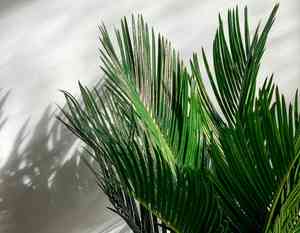
The sago palm, a sluggishly developing, perennial variety featuring plume-like fronds and a robust stem, necessitates infrequent trimming. Only detach withered or discolored fronds near the base by severing them flush with the trunk. Trimming is ideally conducted in the colder months to lessen plant strain and improve its aesthetic. This practice also averts potential decay from moisture in severed regions. Pruning aids in preserving its form and fostering vigorous development, but refrain from incising the trunk as it could be harmful.
What Are the Benefits of Pruning Sago Palm?
What Are the Benefits of Pruning Sago Palm?
Trimming sago palm promotes vigorous development and sustains a compact, appealing shape. It's crucial for eliminating dead or damaged fronds, which can harbor pests and diseases, thus fostering a healthier specimen.
What Is the Best Time for Pruning Sago Palm?
What Is the Best Time for Pruning Sago Palm?
Winter is considered ideal because sago palm enters a dormant phase due to cooler temperatures and reduced daylight. During this period, the plant's growth rate diminishes, minimizing the stress that trimming can induce. Furthermore, with fewer leaves and stems, it's simpler to assess the plant's structure and decide which parts to cut. Pruning in winter also prevents sap from oozing, which can attract pests and diseases. This timing ensures that sago palm can recover quickly and produce robust growth with the arrival of the warmer spring season.
What Tools Do I Need to Prune Sago Palm?
Sharp, Sterilized Pruning Shears
Perfect for snipping off yellowing or brown leaves from sago palm, ensuring clean cuts that encourage healthy regrowth without spreading illness.
Long-handled Loppers
Most suitable for reaching into sago palm's dense foliage and fronds without injuring the gardener, providing leverage for precise cuts on thicker stems.
Handheld Pruning Saw
Required for cutting through particularly tough or thick fronds of sago palm when shears or loppers are insufficient, allowing for control and accuracy on dense growth.
Gloves and Protective Clothing
Essential for safeguarding the gardener from the sharp edges of sago palm's leaves, which can be quite rigid and potentially harmful during the trimming process.
How to Prune Sago Palm
Step1: Assess Plant Health
Evaluate the overall health and appearance of sago palm to locate the yellow leaves, withered branches, and damaged fronds that require removal.
Step2: Protective Gear On
Wear gardening gloves and safety glasses to shield your hands and eyes from the sharp edges of sago palm's fronds.
Step3: Pruning Tool Preparation
Prepare clean and sharp trimming tools. Sanitize them with rubbing alcohol to prevent the spread of disease.
Step4: Remove Yellow Leaves
Identify and remove yellow leaves by cutting them at the point where they emerge from the trunk. Use a sharp pair of pruning shears and make a clean cut to avoid harming sago palm.
Step5: Cut Withered Branches
Locate withered branches, which may be old fronds that are naturally dying back. Carefully cut these branches at their base, close to the trunk, using a saw or loppers for larger branches.
Step6: Prune Damaged Fronds
Examine sago palm for damaged fronds. Trim any fronds that are broken, diseased, or have suffered from pest damage. Remove them by making a clean cut at the base of the frond.
Step7: Shape Review and Adjustment
Once all the undesirable parts have been removed, step back and review the shape of sago palm. Perform any additional trimming to maintain its natural form, being careful not to over-prune as sago palm is slow-growing.
Step8: Cleanup Pruning Debris
Clear away all debris from the trimming process to maintain a tidy growing area and to prevent the potential spread of pests or disease.
Step9: Post-Pruning Watering
After pruning, water sago palm thoroughly if the soil is dry, as this will help the plant heal and reduce stress.
Step10: Monitor Plant Recovery
Observe sago palm over the following weeks for any signs of stress or disease. Regularly check for new growth, which indicates that sago palm is recovering well from the pruning.
Post-Pruning Care for Sago Palm
Post-Pruning Care for Sago Palm
Immediately after trimming sago palm, ensure clean cuts to prevent infection. Move sago palm to a bright, indirect light area with stable temperatures and avoid drafts. Maintain moderate humidity. Begin a gentle watering schedule, allowing the soil to dry slightly between waterings. Refrain from fertilization for about a month to avoid burning sensitive tissues, then introduce a balanced, slow-release fertilizer suitable for sago palm. Regularly inspect the trimmed areas for any signs of distress or disease, such as discoloration or sap oozing. If symptoms appear, isolate sago palm and consult a professional for appropriate treatment options.
Common Pruning Mistakes with Sago Palm
Avoid Excessive Pruning to Prevent Stress
Over-trimming can lead to sago palm's stress and shock, potentially causing more harm than good. It is crucial to avoid removing more than necessary.
Use Clean, Sharp Tools for Pruning
Using dull or dirty tools can damage sago palm's fronds and introduce disease. Always use clean, sharp implements for trimming.
Don't Cut Trunk or Healthy Parts to Avoid Wounds
Cutting into the trunk or healthy foliage can lead to unnecessary wounds and prevent sago palm from healing properly, thereby increasing the risk of disease and pest infestation.
Never Prune the Growing Point Crownshaft
Trimming the new central leaves, or 'crownshaft', can permanently damage sago palm, as it is the growth point for new fronds. Never cut this part of the plant.
Conserve Energy by Retaining Some Older Leaves
Removing too many lower, older leaves may deplete sago palm's energy reserves, as these leaves still contribute to photosynthesis, even when they begin to yellow.
Common Pruning Tips for Sago Palm
Prune Dead Fronds Without Harming Trunk
Trim dead or dying fronds close to the trunk, but do not cut into the trunk itself. Make clean cuts to prevent tearing and minimize stress to sago palm.
Disinfect Tools to Prevent Disease Spread
Sanitize trimming tools before and after use to prevent spreading diseases to or from sago palm. Common disinfectants can include rubbing alcohol or a diluted bleach solution.
Protect Skin with Gloves When Pruning
Wear gloves and protective clothing when trimming sago palm, as some parts could be toxic or cause skin irritation.
Prune Sparingly to Preserve Natural Shape
Trim sago palm sparingly to maintain its natural shape and health. Focus on removing fronds that are yellow, brown, or broken.
Remove Infested Fronds to Control Pests
If pest infestations are noticed, such as scale or mealybug, trim affected fronds to control the spread before considering chemical treatments.
Remove Offshoots to Control Size and Crowding
While trimming, check for pups (offshoots or small plants) growing at the base of sago palm and remove them if you're looking to control sago palm's size and prevent overcrowding.



