How to Prune Common turmeric?
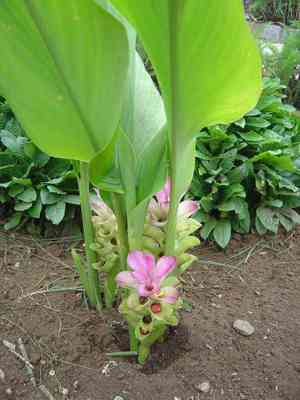
This herbaceous perennial, characterized by its rhizomes, is valued for its fragrant underground stems utilized in culinary and medicinal applications. Trimming common turmeric entails eliminating withered foliage and faded flower stems to stimulate fresh development. The ideal period for this maintenance is from the beginning of spring through the end of summer, after its dormant phase. This targeted cutting promotes plant robustness and avoids expending energy on unproductive sections, thereby boosting rhizome production. Consistent clearing of aged plant matter preserves its vitality and aesthetic appeal.
What Are the Benefits of Pruning Common Turmeric?
What Are the Benefits of Pruning Common Turmeric?
Trimming common turmeric can encourage more robust, vigorous development and assist in maintaining its desired form and dimensions, ensuring the plant stays healthy and visually appealing.
What Is the Best Time for Pruning Common Turmeric?
What Is the Best Time for Pruning Common Turmeric?
These periods are ideal for trimming common turmeric for several reasons. Early spring, immediately following winter dormancy, is perfect as the plant resumes active growth. This timing also allows for the removal of any dead or damaged parts that might impede new shoot development. Additionally, early spring pruning helps shape the plant and directs its energy to the most vigorous growth areas. Late summer pruning should be approached cautiously, as common turmeric begins preparing for its dormant winter phase. Pruning during this time should be minimal and focused on maintenance, completed well before colder temperatures arrive to aid wound healing and reduce plant stress. Common turmeric naturally dies back in cooler months, so pruning should align with its natural growth cycle to ensure health and the production of flowers and rhizomes, which are harvested.
What Tools Do I Need to Prune Common Turmeric?
Sharp, Clean Shears
Perfect for cutting through common turmeric stems, which can be somewhat thick but don't require heavy-duty tools. Sharpness ensures clean cuts that heal faster and reduce disease risk.
Pruning Snips
Useful for precise trimming of common turmeric's leaves or for harvesting rhizomes, offering greater accuracy and control.
Gloves
Essential for hand protection when pruning common turmeric, as the plant's sap can irritate some individuals' skin.
Disinfectant for Tools
Crucial for preventing disease spread among common turmeric plants when pruning different specimens. Regular tool cleaning minimizes this risk.
How to Prune Common Turmeric
Step1: Identifying parts to prune
Locate the common turmeric plant needing pruning. Look for specific areas requiring attention: yellowed leaves, dead stems, and withered rhizomes.
Step2: Tool sanitation
Sanitize your pruning tools beforehand to prevent disease transmission. Use alcohol wipes or a 1:9 bleach-to-water solution to disinfect cutting blades.
Step3: Pre-pruning hydration
Water the common turmeric thoroughly the day before pruning to lessen plant stress and facilitate the removal of unwanted parts.
Step4: Removing yellow leaves
Start with yellowed leaves. Carefully inspect common turmeric for leaves that are yellowing, indicating they no longer contribute to growth. Using sharp, sanitized pruning shears, snip the leaf stems where they emerge from the main stalk, being careful not to harm adjacent healthy leaves.
Step5: Cutting dead stems
Move on to dead stems. Identify any stems that appear dry, brittle, and lifeless. Prune these dead stems at their base where they emerge from the ground or main rhizome of common turmeric. Ensure a clean cut to avoid unnecessary plant damage.
Step6: Excising withered rhizomes
Address withered rhizomes last. Gently uncover the soil around the common turmeric's base to expose the rhizomes. Use your fingers to locate any soft, mushy, or withered rhizome sections. With a sharp knife or pruning shears, cut these parts away, ensuring healthy tissue remains intact. If an entire rhizome is withered, remove it completely.
Step7: Disposal of plant debris
Dispose of removed plant material away from your garden to prevent any potential disease spread.
Step8: Post-pruning care
After pruning, provide common turmeric with appropriate care. Water the plant if the soil is dry and supply any necessary nutrients with a balanced fertilizer to aid recovery and growth.
Step9: Workspace cleanup
Clean your workspace and sanitize your tools again afterward to keep them ready for future pruning and other garden tasks.
Post-Pruning Care for Common Turmeric
Post-Pruning Care for Common Turmeric
Immediately after trimming common turmeric, ensure the site is clean to prevent infection. Optimize environmental conditions by maintaining moderate humidity and indirect light; avoid extreme temperatures. Apply a balanced fertilizer to support recovery, but avoid over-fertilization, which can stress the plant. Regularly check common turmeric for signs of stress, such as wilting or discoloration. At any indication of infection or unusual symptoms, promptly treat with appropriate fungicides or pest control measures.
Common Pruning Mistakes with Common Turmeric
Avoiding Over-Pruning
Excessive pruning can be a frequent error with common turmeric, leading to stress and reduced vigor. Gardeners should be careful not to remove too much foliage or root mass.
Using Clean, Sharp Tools
Neglecting to use clean and sharp tools is another mistake, which can result in jagged cuts and increase the risk of infections for common turmeric.
Pruning Safely Around Main Stem
Cutting too close to the main stem or rhizome may harm the plant. Safe pruning requires leaving a small amount of stem above the rhizome to avoid damaging common turmeric.
Preserving Healthy Foliage
Removing healthy leaves in the process can be detrimental. Gardeners should focus on dead or diseased foliage without compromising the healthy growth of common turmeric.
Respecting Natural Growth Patterns
Ignoring the natural growth pattern of common turmeric and pruning without considering its form can lead to an unbalanced and weakened plant.
Common Pruning Tips for Common Turmeric
Sanitizing Cutting Tools
Disinfect all cutting tools before and after use to prevent disease spread to common turmeric. A bleach or rubbing alcohol solution will suffice.
Pruning Above Leaf Nodes
Always cut above the node where leaves emerge, at an angle, so that water drains off the cut surface easily, preventing rot and disease in common turmeric.
Removing Dead Foliage Only
Focus on removing only the dead or yellowing leaves of common turmeric, which allows the plant to redirect its energy to new growth and flower production.
Thinning for Air Circulation
When thinning the plant, make selective cuts to improve air circulation around the stems and leaves, which can help common turmeric avoid fungal infections.
Fertilizing After Pruning
After pruning, apply a balanced fertilizer to common turmeric to promote recovery and support new growth, keeping in mind not to overfertilize as this can be counterproductive.
Gentle Root Pruning
When addressing the roots of common turmeric, prune sparingly and only if necessary to divide the plant or manage its size. This should be done gently to avoid shock.



