How to Prune Mediterranean cypress?
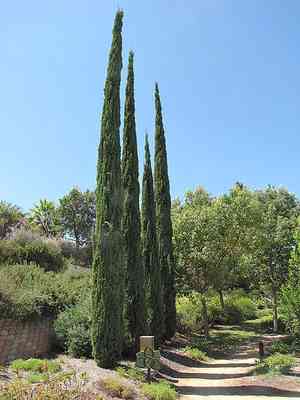
Distinguished by its lofty, slender structure, mediterranean cypress stands as a favored evergreen conifer. Essential trimming methods include excising lifeless or ailing limbs and sculpting to uphold its compact, erect silhouette. The most opportune period for pruning is during winter dormancy, which lessens strain and sap leakage. Pruning improves air movement, lowers the likelihood of illness, and sustains its visual charm. Refrain from severe cutting to safeguard its inherent growth pattern and avert sparse areas.
What Are the Benefits of Pruning Mediterranean Cypress?
What Are the Benefits of Pruning Mediterranean Cypress?
Trimming mediterranean cypress promotes robust development and preserves its characteristic form, ensuring the plant stays healthy, visually appealing, and of manageable dimensions, while also lowering the risk of pest infestations and illnesses.
What Is the Best Time for Pruning Mediterranean Cypress?
What Is the Best Time for Pruning Mediterranean Cypress?
Mediterranean cypress enters a dormant phase during winter, which lessens the stress of pruning on the plant. Pruning prior to new spring growth aids in shaping the tree and removing any winter frost damage. This timing also allows wounds to heal quickly as the growing season commences, minimizing the chance of disease or insect infestation. Furthermore, since mediterranean cypress lacks a significant flowering or fruiting period that gardeners must consider, late winter trims will not negatively impact these cycles.
What Tools Do I Need to Prune Mediterranean Cypress?
Hand Shears
For cutting small branches and shaping mediterranean cypress, hand shears are appropriate due to their precision and ease of use. They are suitable for snipping branches up to about 1/2 inch in diameter.
Lopping Shears
For larger branches, up to about 1 1/2 to 2 inches thick, lopping shears provide the necessary leverage with their long handles. This tool is essential for reaching inside the dense foliage of mediterranean cypress.
Pruning Saw
For branches thicker than 2 inches, a pruning saw is recommended to make clean cuts without damaging the surrounding branches or the main structure of mediterranean cypress.
Hedge Shears
When shaping hedges or maintaining formal appearances, hedge shears are ideal for trimming and shaping the external foliage of mediterranean cypress, allowing for even, straight cuts over larger areas.
Pole Pruner
For higher branches that are out of reach, a pole pruner is crucial. It can be used to selectively prune branches while keeping the natural shape of mediterranean cypress, without the need for climbing.
How to Prune Mediterranean Cypress
Cleaning Tools
Clean and disinfect pruning tools before starting to prevent the spread of disease to mediterranean cypress.
Identifying Parts
Identify dead or diseased branches on mediterranean cypress that need to be removed. Look for branches that show signs of decay, discoloration, or pest damage.
Cutting Technique
Use sharp, clean shears or a pruning saw, depending on the thickness of the branches. Make cuts at a 45-degree angle, about a quarter inch above a healthy bud or branch, to promote proper healing of mediterranean cypress.
Thinning Out
Thin out dense areas of branches to improve air circulation and light penetration within the canopy of mediterranean cypress, helping to prevent future disease.
Clean Up
Dispose of all removed dead and diseased branches properly to prevent any potential spread of disease or pests to other areas of mediterranean cypress.
Common Pruning Mistakes with Mediterranean Cypress
Over-Pruning
Removing too much foliage at once can stress mediterranean cypress, leading to decreased vigor and potential damage to the plant's natural shape and health.
Improper Cuts
Making cuts too close to the main stem or leaving large stubs can result in poor healing and increase susceptibility to pests and diseases.
Shearing For Shape Alone
Using shears to solely create a manicured shape without considering the natural growth pattern of mediterranean cypress can lead to thick outer foliage and a sparse interior.
Neglecting Deadwood
Failing to periodically remove dead or dying branches can impede air circulation and light penetration, which are essential for the health of mediterranean cypress.
Disregarding Hygiene
Not sanitizing pruning tools between cuts and plants can facilitate the spread of diseases.
Common Pruning Tips for Mediterranean Cypress
Selective Thinning
Focus on removing select branches to improve light and air flow throughout the canopy, which helps maintain mediterranean cypress's health and natural form.
Natural Growth Pattern
Prune with the objective of enhancing mediterranean cypress's natural shape rather than imposing an unnatural form, which can compromise the plant's structure and aesthetics.
Tool Choice
Use sharp, clean pruning tools suitable for the size of branches being removed to ensure clean cuts that heal efficiently.
Healthy Tissue
When cutting back to healthy tissue, leave a small amount of the diseased or dead branch to avoid damaging the healthy parts.
Cut Placement
Make cuts at a slight angle just above a bud or branch junction to encourage proper healing and direct new growth in the desired direction.



