How to Prune Monterey cypress?
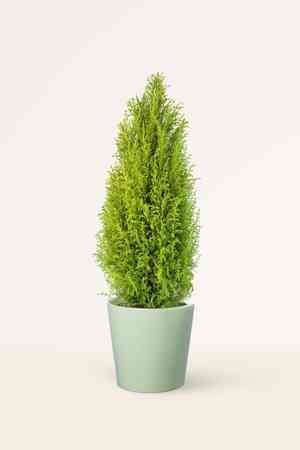
Originating from the Californian coastline, monterey cypress is recognized for its characteristic wind-sculpted look and robustness. Key trimming methods involve excising deceased or ailing limbs and contouring to preserve the tree's inherent shape. Trimming is ideally carried out in the colder months to prevent ailments and encourage robust development in spring. Caution should be exercised to prevent excessive pruning, which could debilitate monterey cypress. Advantages of trimming encompass better air movement, strengthened framework, and a diminished likelihood of fungal ailments.
What Are the Benefits of Pruning Monterey Cypress?
What Are the Benefits of Pruning Monterey Cypress?
Trimming monterey cypress promotes vigorous development and helps preserve its desired form. Strategic cutting back fosters a robust structure, preventing excessive growth and enhancing plant vitality.
What Is the Best Time for Pruning Monterey Cypress?
What Is the Best Time for Pruning Monterey Cypress?
Winter is considered the ideal period to prune monterey cypress as the plant is typically inactive during this time. This dormancy reduces stress on monterey cypress, as its growth cycle is naturally paused. Winter pruning also prevents the spread of pathogens that are less active in colder weather. Furthermore, without leaves, the structure of monterey cypress is more visible, simplifying the identification and removal of diseased or dead branches. It also encourages strong spring growth when the plant's energy is directed towards healing pruned areas and generating new shoots.
What Tools Do I Need to Prune Monterey Cypress?
Hand Pruners
Essential for precise trimming of smaller branches and new shoots on monterey cypress. Bypass pruners are ideal for clean cuts that encourage healthy regrowth.
Loppers
Needed for branches too thick for hand pruners but under two inches in diameter. Longer handles provide leverage and reach into denser areas of the plant.
Pruning Saw
Required for branches exceeding two inches in diameter. A sharp saw with sturdy teeth ensures cleaner cuts, minimizing damage and stress to monterey cypress.
Hedge Shears
Useful for shaping and maintaining the dense foliage of monterey cypress when forming hedges or formal designs.
Pole Pruner
Allows for safe pruning of higher branches without ladders, crucial for maintaining the tall structure of monterey cypress.
Safety Gear
Includes gloves and safety glasses, vital for protecting the gardener from sharp tools and falling debris during the pruning of monterey cypress.
How to Prune Monterey Cypress
Step1: Identify Dead, Diseased, Damaged Branches
Examine monterey cypress to locate dead wood, diseased branches, and damaged limbs requiring pruning. Look for branches that are brown, lack foliage, or show signs of illness or injury.
Step2: Sanitize Tools to Prevent Disease Spread
Disinfect pruning tools with rubbing alcohol or a 10% bleach solution to prevent the transmission of diseases between plants.
Step3: Remove Dead Wood Correctly
Begin by removing any dead wood. Cut dead branches back to the point of living tissue, but avoid cutting into the living branch collar. Make the cut just outside the branch collar at a 45 to 60-degree angle to the branch to prevent water damage and disease.
Step4: Prune Diseased Branches Thoroughly
Trim out diseased branches. Make cuts at least several inches below the affected area to ensure all diseased parts are removed. Do not leave stubs, as they can attract pests and diseases.
Step5: Trim Damaged Limbs With Proper Technique
Cut damaged limbs, pruning back to a healthy branch or bud. If a larger limb is damaged, use the three-cut method to prevent bark tearing: make an undercut on the limb away from the trunk, then cut down from the top a few inches beyond the undercut, and finally cut back to just outside the branch collar to remove the stub.
Step6: Dispose Of Pruning Debris Safely
After cutting, properly dispose of diseased and dead material; do not compost as this can spread pathogens.
Step7: Selectively Thin for Light and Air
To preserve the natural shape of monterey cypress, only selectively thin crowded areas to allow light and air to penetrate. Avoid aggressive topping or excessive thinning, which can harm the tree's structure and health.
Step8: Time Pruning to Late Winter or Early Spring
Consider the timing of pruning. For monterey cypress, the optimal time to prune is during late winter or early spring when the tree is dormant and before new growth begins.
Step9: Assess Tree Balance and Structure
Evaluate the tree for balance and structure after pruning each section. Step back to check the overall shape. Prune additional areas as needed to maintain a natural, healthy appearance.
Step10: Clean Up Pruning Debris to Discourage Pests
Clear all debris and fallen leaves from around the base of monterey cypress to deter pests and fungal diseases.
Post-Pruning Care for Monterey Cypress
Post-Pruning Care for Monterey Cypress
Immediately after pruning monterey cypress, clean cuts should be allowed to heal naturally without dressings. Ensure monterey cypress is placed to receive dappled sunlight, reducing direct exposure to prevent stress. Maintain moderate humidity and avoid temperature extremes to aid recovery. Begin a light fertilization regimen with a balanced, slow-release formula to encourage growth, but avoid over-fertilization which can lead to sappy, weak shoots. Monitor monterey cypress regularly for unusual leaf discoloration or dieback, which could indicate infection or pest issues. If symptoms are detected, promptly apply appropriate fungicides or insecticides.
Common Pruning Mistakes with Monterey Cypress
Ignoring Plant's Natural Shape
Disregarding the natural form of monterey cypress, leading to pruning that results in an unnatural appearance or stimulates excessive, weak growth.
Over-pruning Causes Stress and Dieback
Excessive pruning, which removes too much foliage at once and can cause stress to monterey cypress, potentially leading to disease or dieback.
Damage from Dull or Unclean Tools
Using dull or unsanitized pruning tools that can create jagged cuts, harming monterey cypress and making it more vulnerable to pests and diseases.
Common Pruning Tips for Monterey Cypress
Use Sharp, Clean Shears for Clean Cuts
Always use sharp, clean pruning shears that will make precise cuts and minimize damage to monterey cypress.
Remove Dead or Diseased Branches, Not Woody Parts
Focus on removing dead, diseased, or weak branches to maintain the health of monterey cypress, and avoid cutting into the thick, woody parts of the tree where new growth does not readily occur.
Enhance Plant's Natural Shape with Selective Pruning
Prune with the goal of maintaining or enhancing the natural conical shape of monterey cypress, removing branches selectively to create an airy, well-spaced framework.



