How to Prune Kashmir cypress?
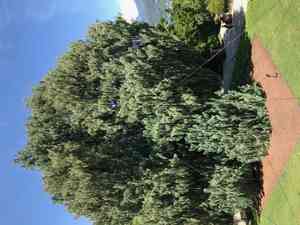
Celebrated for its cascading silhouette and elegantly arching limbs, kashmir cypress imparts a sophisticated flair to any outdoor setting. Trimming efforts should concentrate on preserving its structure, managing its dimensions, and eliminating any deceased wood. The most suitable time for pruning is during the winter season while the tree is inactive. Performing this task then encourages robust development in spring and reduces the likelihood of illness. Make sure to execute precise cuts to prevent harm and take into account its inherent shape to uphold its beauty. Consistent trimming improves the vitality and look of kashmir cypress, rendering it a beneficial routine.
Advantages of Trimming Kashmir Cypress
Advantages of Trimming Kashmir Cypress
Trimming kashmir cypress encourages robust development and preserves its attractive shape. Precise cuts enhance light penetration and air circulation, fostering a strong structure and deterring illness.
Optimal Period for Trimming Kashmir Cypress
Optimal Period for Trimming Kashmir Cypress
Trimming or shaping kashmir cypress in late winter to early spring maximizes its vitality and growth potential, as this timing coincides with the end of its dormant phase. It reduces the risk of pest and disease infestations common in warmer months. Pruning during this window allows kashmir cypress to recover and produce new growth as the active season begins, without sacrificing existing foliage or buds formed the previous year.
Necessary Tools for Trimming Kashmir Cypress
Hand Pruners
Essential for severing small branches and twigs. Opt for bypass pruners over anvil types, as they create cleaner cuts vital for the well-being of kashmir cypress.
Loppers
Useful for reaching elevated branches and providing leverage to cut through thicker branches, up to 1.5 inches in diameter. This is crucial for shaping kashmir cypress and managing its outward spread.
Pruning Saw
For branches exceeding 1.5 inches in thickness, a pruning saw is indispensable. Its sharp teeth enable clean cuts without harming kashmir cypress, which is less achievable with loppers or hand pruners.
Hedge Shears
For trimming and shaping the foliage of kashmir cypress, especially when forming a hedge or formal design. The long blades facilitate creating straight, even cuts.
Pole Pruner
Recommended for cutting branches that are high up and beyond normal reach. This allows you to maintain the upper sections of kashmir cypress without needing a ladder, which can be safer and more convenient.
How to Trim Kashmir Cypress
Sanitize Tools
Before commencing the trimming process, sterilize all pruning implements using a solution of 1 part bleach to 9 parts water to prevent the spread of disease to kashmir cypress.
Identify
Carefully examine kashmir cypress for dead or diseased branches, which are typically dry, brittle, and may exhibit discolored or peeling bark.
Cut Diseased Branches
Using sharp, clean pruning shears, cut diseased branches at least several inches below the point of visible damage towards the base, avoiding stubs to encourage healthy regrowth.
Cut Dead Branches
Remove dead branches by making cuts at a slight angle just above a healthy bud, or back to the main trunk if necessary, ensuring cuts are clean to prevent bark tearing.
Disposal
Discard all removed dead and diseased plant material away from kashmir cypress and other healthy plants to prevent the potential spread of disease and pests.
Common Trimming Errors with Kashmir Cypress
Excessive Pruning
Removing too much foliage at once can stress kashmir cypress, leading to weak growth or increased susceptibility to disease.
Incorrect Cuts
Improper cutting techniques can result in jagged or torn branches, which may attract pests or diseases to kashmir cypress.
Trimming Healthy Growth
Unnecessarily cutting away healthy growth can diminish kashmir cypress's vigor and aesthetic appeal.
Ignoring Dead Material
Failing to remove dead or diseased material can hinder kashmir cypress's growth and health, as these can harbor pests or disease.
Neglecting Tool Care
Using dull or dirty pruning tools can damage kashmir cypress's branches and introduce pathogens.
Uniform Shaping
Shaping kashmir cypress into a uniform form can compromise its natural structure and potentially inhibit growth.
General Trimming Advice for Kashmir Cypress
Sterilize Tools
Clean and sterilize pruning tools before use to prevent the spread of disease to kashmir cypress.
Selective Trimming
Trim selectively, focusing on removing dead or weak branches to maintain kashmir cypress's health and natural shape.
Cutting Angle
Make cuts at a slight angle, away from buds or the main trunk, to encourage proper healing and regrowth.
Minimal Trimming
Since kashmir cypress is generally low-maintenance, limit trimming to the minimum necessary for shaping and removing unhealthy growth.
Follow Natural Shape
Trim with the natural form of kashmir cypress in mind to enhance its ornamental value without over-manicuring.
Branch Collars
Avoid cutting into the branch collar when removing limbs to foster proper healing and reduce the risk of disease.



