How to Prune China fir?
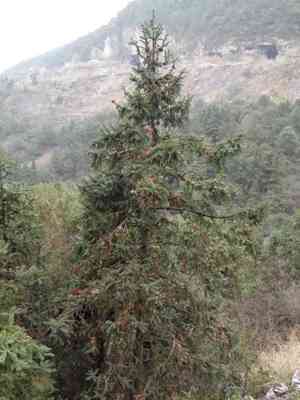
A coniferous tree originating from China, prized for its fragrant timber and persistent green leaves, china fir thrives with judicious trimming. Essential methods involve reducing crowded branches to enhance airflow and excising deceased or ailing wood to preserve its well-being. The most suitable period for pruning is in winter, when the plant is inactive. Trimming china fir accentuates its inherent form and stimulates robust development, guaranteeing a harmonious framework and averting potential harm from excessive growth.
Advantages of Trimming China Fir
Advantages of Trimming China Fir
Trimming china fir promotes vigorous development and preserves its desired conical form. Regular removal of weak branches helps china fir grow more robustly and maintain an appealing look.
Optimal Time for Pruning China Fir
Optimal Time for Pruning China Fir
Pruning china fir in late winter is ideal as the plant is dormant, reducing stress and the chance of disease spread through cuts. This timing also allows for rapid healing with spring growth, preventing harm to new shoots. Furthermore, the plant's structure is more visible without leaves, enabling more precise pruning.
Essential Tools for Pruning China Fir
Bypass Pruners
Perfect for making clean cuts on smaller branches of china fir, bypass pruners inflict less damage to plant tissues compared to anvil pruners.
Lopping Shears
With their extended handles, lopping shears offer leverage to cut through thicker branches of china fir that hand pruners cannot manage.
Pruning Saw
For mature branches of china fir, a pruning saw is vital to handle the wood's density and size without harming the surrounding branch structure.
Pole Pruner
When dealing with elevated branches of china fir, a pole pruner enables the gardener to trim branches from the ground, eliminating the need for ladders.
Hedge Shears
If shaping hedges or formal screens of china fir, hedge shears can provide a uniform shape to the foliage.
Safety Equipment
Gloves and safety goggles are crucial for protecting the gardener from thorns and debris while pruning china fir.
How to Prune China Fir
Clean Sterilize
Before beginning to prune china fir, clean and sterilize your pruning tools to prevent disease transmission. Use a solution of one part bleach to nine parts water to disinfect the cutting blades of pruners and saws.
Dead Branches
Identify and remove dead branches by cutting them where they meet a healthy stem or trunk. Make cuts just outside the branch collar to encourage proper healing without damaging the china fir.
Diseased Branches
Isolate and trim diseased branches by cutting well below the affected area to ensure complete removal of any infected tissue. Dispose of these branches immediately to prevent contamination of other parts of china fir or nearby plants.
Shape Thinning
If necessary, lightly shape china fir by thinning out overcrowded sections. Remove branches that crisscross or grow inward to maintain the plant's overall health and structure, ensuring cuts are made at a node or junction.
Wound Care
Apply a wound dressing to large cuts to promote healing and protect exposed areas from pests and diseases. Use a non-toxic, breathable barrier suitable for china fir.
Common Pruning Errors with China Fir
Over-Pruning
Removing too much foliage from china fir can weaken the plant, as it relies on its needles for photosynthesis. Excessive pruning can lead to stunted growth or even plant death.
Improper Cuts
Making cuts too close to the trunk or leaving large stubs can damage china fir and create entry points for pests and diseases.
Flush Cutting
Cutting branches flush against the trunk removes the branch collar, which can impede the healing process and lead to decay.
Random Cuts
Pruning china fir without a clear strategy and understanding of its growth pattern can result in uneven growth and an unbalanced plant form.
Pruning In Wet Conditions
Pruning china fir when wet can spread disease more easily. Always prune in dry conditions to minimize this risk.
Using Dull Tools
Pruning with dull tools can cause jagged cuts that are more susceptible to disease and may harm the plant. Sharp, clean pruning tools are crucial for clean cuts.
General Pruning Advice for China Fir
Selective Thinning
Employ a thoughtful approach to remove only necessary branches, preserving china fir's natural pyramidal shape and promoting good air circulation.
Cut At An Angle
Make angled cuts when pruning to prevent water from accumulating on the cut surface, which could lead to rot or diseases.
Disinfect Tools
To prevent disease spread, disinfect pruning tools before moving from one china fir to another, especially if there are signs of disease or pests.
Maintain Branch Structure
Focus on maintaining a strong branch structure by removing only competing, weak, damaged, or diseased branches, thus preserving china fir's integrity.
Encourage New Growth
Prune strategically to encourage new growth where desired, keeping in mind china fir's tendency to grow upwards with branches angling out.
Protect The Trunk
Ensure that cuts do not damage china fir's trunk or remove the branch collar, to protect the plant and promote faster healing.



