How to Prune African horned cucumber?
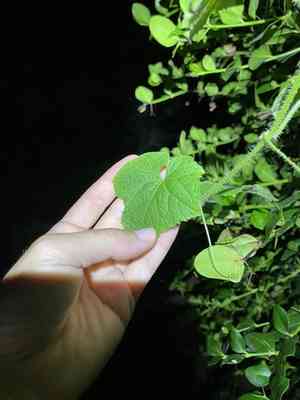
This thorny, melon-shaped fruit-bearing plant is frequently trained on trellises to sustain its robust tendrils. To achieve peak development, consistent trimming is advantageous. Nip off the ends of main shoots to stimulate side branches, which is where the fruit forms. Remove any discolored or lifeless foliage to preserve well-being and airflow. Pruning is ideally performed in spring and early summer to sculpt the plant, and once more in autumn to eliminate aged growth. Appropriate pruning improves the size and caliber of the fruit and helps avert illnesses in african horned cucumber.
What Are the Benefits of Pruning African Horned Cucumber?
What Are the Benefits of Pruning African Horned Cucumber?
Trimming african horned cucumber promotes robust development and maintains its form. Strategic cutting enhances air circulation, lowering disease risk and improving fruit quality. Pruning helps manage size for easier harvesting and better appearance.
What Is the Best Time for Pruning African Horned Cucumber?
What Is the Best Time for Pruning African Horned Cucumber?
Pruning african horned cucumber is best done in Spring as it awakens from dormancy, encouraging healthy new growth. Early Summer is ideal for guiding growth and removing unproductive or excess vines that could drain energy from fruit development. Fall is suitable for removing dead or diseased foliage after fruiting and before the plant enters winter dormancy. These seasons ensure minimal stress on african horned cucumber, align with its growth cycle, and help maintain plant vigor and productivity.
What Tools Do I Need to Prune African Horned Cucumber?
Hand Pruners
These are crucial for making precise cuts on african horned cucumber's smaller stems. Opt for bypass pruners for a clean cut that supports healthy regrowth.
Pruning Saw
For african horned cucumber's larger, more woody stems, a pruning saw is essential to prevent tearing and ensure a clean cut without harming the plant.
Gloves
Due to african horned cucumber's spiky exterior, thick gloves are important to protect hands while pruning.
Loppers
African horned cucumber can have some tougher stems as it matures; loppers provide the leverage to make larger cuts without straining your hands.
How to Prune African Horned Cucumber
Clean Tools
Sanitize pruning shears with rubbing alcohol or a bleach solution to prevent the spread of disease.
Identify
Examine african horned cucumber for withered leaves, focusing on lower sections where insufficient light may have caused die-off.
Snip
Using the disinfected shears, carefully cut the withered leaves at their base, close to the stem, ensuring not to damage healthy tissue.
Dispose
Remove the withered leaves from the vicinity of african horned cucumber to prevent possible pest infestation or disease.
Health Check
Examine african horned cucumber for additional health signs, ensuring no other parts require pruning, to maintain plant vigor and productivity.
Common Pruning Mistakes with African Horned Cucumber
Overpruning
Removing too much foliage at once can harm african horned cucumber by stunting its growth and diminishing fruit production.
Incorrect Cutting
Making cuts too close to the fruiting buds can damage new growth, while leaving stubs can create entry points for pests and diseases.
Pruning Active Vines
Cutting back vines that are actively setting fruits can result in loss of yield.
Ignoring Lateral Shoots
Neglecting to thin out lateral shoots can lead to overcrowding, which may reduce air circulation and sunlight penetration, thus affecting overall plant health.
Common Pruning Tips for African Horned Cucumber
Sharp Tools
Use sterilized and sharp pruning tools to make clean cuts, which helps prevent disease spread and promotes quicker healing.
Selective Pruning
Focus on removing dead or diseased limbs, as well as overly crowded areas, to maintain good air flow and light exposure.
Encourage Fruiting
Limit the removal of new shoots to those that are non-productive, ensuring you don't reduce potential fruiting sites.
Balance Vine Structure
Aim to create a strong, balanced vine structure that can support the weight of the fruits while allowing for healthy growth.



