How to Prune Bamburanta, Never Never Plant?
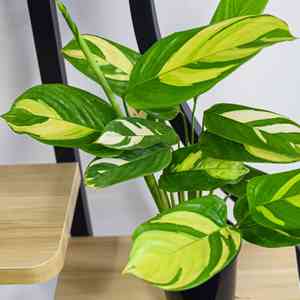
Bamburanta, recognized for its impressive patterned leaves, flourishes with consistent trimming. The most suitable times for pruning are late winter and early spring, coinciding with its developmental phase. Eliminate any deceased or compromised foliage to improve its visual attractiveness and foster robust development. Gentle trimming can stimulate denser growth, while more significant reductions might revitalize the specimen. Routine thinning guarantees sufficient light exposure and air movement, contributing to the plant's general well-being.
What Are the Benefits of Pruning Bamburanta?
What Are the Benefits of Pruning Bamburanta?
Trimming bamburanta promotes robust development and helps maintain its dense, appealing form. Regular cutting eliminates old foliage, stimulates new shoots, and preserves the plant's visual charm.
What Is the Best Time for Pruning Bamburanta?
What Is the Best Time for Pruning Bamburanta?
Late winter and early spring are considered optimal periods for pruning bamburanta due to various factors concerning its growth and well-being. During late winter, bamburanta remains dormant because of cooler temperatures, which reduces plant stress as its metabolic activity is lower. Pruning at this time allows the plant to recover without the immediate need for new growth, leading to stronger recuperation as temperatures rise. As early spring approaches, bamburanta begins its growth resurgence, making it an ideal moment to shape the plant and remove any unhealthy or overgrown sections. This timing ensures that pruning does not hinder new shoots and leaves, which are vital for photosynthesis throughout the growing season. Furthermore, pruning before spring growth enables gardeners to direct the plant's energy toward developing a strong and healthy structure, thereby enhancing its overall vigor and aesthetic appeal.
What Tools Do I Need to Prune Bamburanta?
Sharp Scissors or Bypass Pruners
For bamburanta, which typically has delicate leaves and stems, sharp scissors or bypass pruners are perfect. These tools allow for precise cuts that prevent plant damage. Clean, sharp cuts encourage quicker healing and lower disease risk.
Micro-Tip Snips
Bamburanta might need intricate shaping or the removal of small, dead leaves in crowded areas. Micro-tip snips provide the accuracy required for these delicate tasks without harming nearby growth.
How to Prune Bamburanta
Identify
Carefully examine bamburanta for any diseased or withered leaves. Pinpointing unhealthy foliage is essential for fostering the plant's overall health and appearance.
Clean
Before pruning, clean and sanitize your pruning tools. This prevents the spread of diseases between plants. Use a solution of one part bleach to nine parts water or use rubbing alcohol to wipe the blades.
Prune diseased
Using your cleaned and sanitized scissors or pruning shears, carefully remove diseased leaves from bamburanta. Cut at the base of the stem, close to the main stalk, ensuring you do not damage healthy tissue.
Prune withered
Next, remove any withered, yellow, or brown leaves by cutting them at the base of the stem. Withered leaves cannot recover and removing them helps redirect bamburanta's energy to healthier growth.
Dispose
Properly dispose of the removed diseased and withered leaves. Do not compost diseased material as it might harbor pathogens. This helps prevent any potential spread of disease back to bamburanta or other plants.
Common Pruning Mistakes with Bamburanta
Overpruning
Removing too much foliage at once can stress bamburanta, leading to stunted growth or vulnerability to diseases. Cutting back more than one-third of the plant at any given time is generally excessive.
Improper tool use
Using dull or unclean pruning tools can cause jagged cuts that poorly heal and potentially expose bamburanta to pathogens. Always use sharp, clean shears or scissors.
Neglecting dead or diseased leaves
Failing to regularly remove dead or diseased foliage can inhibit new growth and may spread disease throughout bamburanta. Regular inspection and timely removal are crucial.
Common Pruning Tips for Bamburanta
Selective pruning
Focus on removing only the old, yellow, or damaged leaves to promote healthier, more vigorous growth. This targeted approach helps maintain the plantâs shape and vitality.
Clean cuts
Make clean, sharp cuts close to the stem to prevent damage and promote faster healing. This minimizes stress and reduces the risk of disease.
Post-pruning care
After pruning, bamburanta will benefit from light watering and a boost in humidity, which can help it recover and thrive. Ensure environmental conditions support healthy growth.



