How to Prune Woodland crocus?
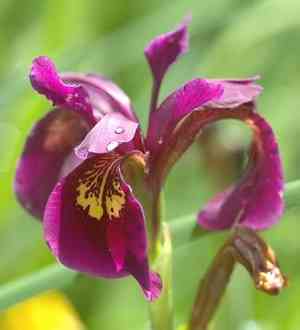
This plant, which flowers early and displays vivid blooms, needs very little trimming. For woodland crocus, remove spent flowers after they have bloomed to bolster the bulb's vigor. The ideal period for pruning is in late winter or early spring. Eliminate any dead leaves once they turn yellow and wither to avert illness. The advantages of pruning encompass maintaining its appearance and channeling energy to the bulb, thereby improving the subsequent season's development.
What Are the Benefits of Pruning Woodland Crocus?
What Are the Benefits of Pruning Woodland Crocus?
Trimming woodland crocus promotes more vibrant blooms and maintains a tidy look. Strategic cutting back can revitalize woodland crocus, ensuring robust growth and a balanced shape in the garden.
What Is the Best Time for Pruning Woodland Crocus?
What Is the Best Time for Pruning Woodland Crocus?
Pruning woodland crocus in late winter or early spring is optimal as it aligns with the end of its dormant phase but precedes its rapid spring growth and flowering period. During late winter, the plant remains inactive, minimizing stress and the risk of disease transmission through cuts. Early spring pruning is timely for removing winter damage, such as broken or diseased foliage, before new growth begins. This timing allows the plant to direct energy into producing healthy blooms soon after, without expending resources on healing pruning wounds. Furthermore, by pruning before flowering, gardeners avoid accidentally removing buds, which would diminish the seasonal floral display woodland crocus is known for.
What Tools Do I Need to Prune Woodland Crocus?
Hand-held scissors or snips
Perfect for gently trimming woodland crocus's leaves. Their compact size and precise blades are ideal for making clean cuts without harming delicate flowers or nearby plants.
Gardening gloves
Protect hands when trimming woodland crocus. While woodland crocus typically doesn't need extensive pruning, gloves can help prevent skin irritation from sap or soil contact.
Small garden fork
Useful for loosening soil around woodland crocus. This helps remove dead foliage or debris without damaging the corms or surrounding plants.
Clean cloth
For wiping blades clean after pruning woodland crocus. Clean tools prevent the spread of plant diseases.
How to Prune Woodland Crocus
Step1: Post-Bloom Pruning Timing
Allow woodland crocus to finish flowering. Pruning should occur after the blossoms have faded, as woodland crocus is a spring-blooming plant and the best time to prune is once its flowering cycle concludes.
Step2: Identify Withered Flowers
Locate faded flowers on woodland crocus. These are blooms that have lost their vibrant color and appear shriveled or dry. They are usually the first parts of the plant to be removed.
Step3: Removing Withered Blooms
Remove the faded flowers from woodland crocus. Use your fingers or clean, sharp scissors to gently pluck or snip the withered flowers at the base of the flower stem. Be careful not to damage the foliage or any new buds that might be forming.
Step4: Spotting Dead Foliage
Find dead leaves on woodland crocus. Dead foliage will appear yellow or brown and may feel wilted or brittle.
Step5: Pruning Dead Leaves
Trim the dead foliage of woodland crocus. Gently pull away the dead leaves or use sharp scissors to carefully cut them at the base where they emerge from the corm. Do not pull too hard to avoid damaging the corm.
Step6: Disposal of Debris
Dispose of the pruned material. Clear away all withered flowers and dead foliage removed from woodland crocus to prevent potential disease or pest issues.
Step7: Caution Against Over-Pruning
Avoid excessive pruning of woodland crocus. This species typically requires minimal trimming. Only remove parts that are clearly dead or withered to prevent stressing the plant.
Step8: Post-Pruning Plant Care
Observe woodland crocus after pruning. Ensure the plant continues to receive adequate watering and shows no signs of stress or disease following the pruning process.
Post-Pruning Care for Woodland Crocus
Post-Pruning Care for Woodland Crocus
Immediately after pruning woodland crocus, ensure it's placed in a well-lit area, avoiding harsh direct sunlight. Maintain a stable environment with moderate humidity and temperature to reduce stress. Apply a balanced fertilizer to aid recovery, but avoid over-fertilization, which can harm woodland crocus. Regularly check woodland crocus for signs of stress like discoloration or wilting, and watch for infection indicators such as unusual spots or oozing. If symptoms appear, provide appropriate care promptly to prevent further damage.
Common Pruning Mistakes with Woodland Crocus
Premature Pruning After Flowering
Trimming woodland crocus too soon after blooming, which can hinder the plant's ability to photosynthesize effectively and store energy for the next season.
Removing Foliage Before Natural Dieback
Cutting back the leaves before they have naturally withered, preventing the plant from reabsorbing valuable nutrients from the foliage.
Using Dirty or Blunt Pruning Tools
Employing unclean or dull pruning tools, which can harm the corms and foliage of woodland crocus, leading to ragged edges and potential entry points for disease.
Common Pruning Tips for Woodland Crocus
Prune After Natural Dieback
Wait until the foliage of woodland crocus has turned yellow or brown and naturally died back before removing it; this indicates that the plant has finished storing nutrients in the corm for the next season.
Use Sterilized Sharp Pruning Tools
Perform clean cuts and use sterilized pruning tools to avoid transferring disease or pests from one plant to another.
Remove Damaged Tissue Promptly
While pruning is minimal for woodland crocus, promptly remove any damaged or diseased tissue as soon as it is noticed to maintain plant health and prevent the spread of issues.



