How to Prune Frosted hawthorn?
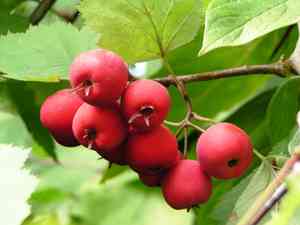
A deciduous variety featuring groupings of white blossoms and crimson berries, frosted hawthorn thrives with trimming to preserve its form and vigor. Essential methods involve reducing aged or densely packed branches and removing any lifeless or ailing wood. Perform pruning in late winter or early spring to encourage fresh development. A particular consideration for frosted hawthorn is the necessity to improve light exposure and air movement to deter fungal infections. Pruning stimulates fruit yield and revitalizes the specimen.
What Are the Benefits of Pruning Frosted Hawthorn?
What Are the Benefits of Pruning Frosted Hawthorn?
Trimming frosted hawthorn encourages robust development and maintains its desired form. Consistent cutting ensures a strong framework, contributing to overall vitality and visual appeal.
What Is the Best Time for Pruning Frosted Hawthorn?
What Is the Best Time for Pruning Frosted Hawthorn?
During late winter and early spring, frosted hawthorn remains inactive, which minimizes sap loss and lessens plant stress. Pruning prior to new growth allows frosted hawthorn to recover faster and direct energy toward producing vigorous, healthy shoots. Additionally, pruning at this time helps preserve the plant's intended shape and size, prevents disease by eliminating dead or damaged branches, and promotes the development of fruiting and flowering structures for the upcoming season.
What Tools Do I Need to Prune Frosted Hawthorn?
Hand Pruners
Perfect for cutting small branches, typically up to 1/2 inch in diameter, on frosted hawthorn. Hand pruners come in bypass and anvil types, with bypass being preferred for cleaner cuts that heal more effectively.
Loppers
Useful for severing branches up to 2 inches thick. The extended handles provide leverage for easier cutting and reaching higher branches on frosted hawthorn. Bypass loppers are recommended for cleaner cuts.
Pruning Saw
Essential for removing larger branches exceeding 2 inches in diameter. A pruning saw with a curved blade can facilitate access to confined spaces within the foliage of frosted hawthorn.
Hedge Shears
Suitable for shaping and trimming the outer foliage of frosted hawthorn when creating a formal hedge or when precise shaping of the plant is desired.
Pole Pruner
Enables the gardener to prune higher branches of frosted hawthorn safely from the ground, without needing a ladder, for branches up to approximately 1 inch in diameter.
How to Prune Frosted Hawthorn
Step1: Tool Sanitization
Clean your tools. Before you begin pruning frosted hawthorn, ensure your pruning tools are clean and sharp to prevent disease spread. You can use a solution of one part bleach to nine parts water or rubbing alcohol to sanitize your shears and saws.
Step2: Dead Wood Identification
Locate dead wood. Visually inspect frosted hawthorn for branches that are broken, dry, and show no green life when lightly scraped. Dead wood will not flex easily and typically lacks leaves and bark.
Step3: Dead Branch Pruning
Remove dead wood. Using your sanitized tools, carefully cut the dead branches where they meet healthy wood. Ensure your cuts are clean and angled slightly downward to prevent water accumulation and encourage healing.
Step4: Diseased Limb Removal
Eliminate diseased limbs. Look for limbs with disease signs such as unusual growths, discoloration, or sap oozing from wounds. Cut diseased limbs back to healthy wood, ensuring you do not touch other parts of frosted hawthorn with the contaminated tool. Disinfect your tools after each cut when removing diseased limbs.
Step5: Old Berry Thinning
Thin out old berries. Frosted hawthorn may still have old berries attached to its branches. Carefully remove these berries to encourage new fruit production. You can gently pull off the berries or use pruning shears to snip the stems holding them.
Step6: Shaping the Plant
Shape frosted hawthorn. After removing dead and diseased wood and old berries, shape frosted hawthorn to promote healthy growth. Prune branches that are rubbing against each other, and remove some dense growth to improve air circulation and light penetration.
Step7: Final Pruning Adjustments
Final touches. Scan frosted hawthorn for any remaining irregularities or untrimmed parts. Make any final cuts as needed, always ensuring to create an environment where frosted hawthorn can flourish.
Step8: Debris Cleanup
Clean up. Once you have finished pruning, gather all debris to prevent potential disease from affecting frosted hawthorn and other plants. Dispose of dead wood, diseased limbs, and old berries appropriately, as they could harbor pests or diseases.
Step9: Post-Pruning Plant Care
Post-pruning care. Water frosted hawthorn after pruning to help reduce stress and apply a layer of mulch around the base to retain moisture. Avoid fertilizing immediately after pruning as this can stimulate rapid growth that the plant may not be ready to support.
Post-Pruning Care for Frosted Hawthorn
Post-Pruning Care for Frosted Hawthorn
Immediately after pruning, cleanse frosted hawthorn's cuts with a diluted solution to prevent infection. Optimize light, but shield frosted hawthorn from intense midday sun. Maintain moderate humidity and temperature to lessen stress. Apply a balanced, slow-release fertilizer to aid frosted hawthorn's recovery. Monitor frosted hawthorn for wilted leaves or ooze as signs of distress. At any hint of disease, treat with an appropriate fungicide, and adjust care as needed to strengthen frosted hawthorn's resilience.
Common Pruning Mistakes with Frosted Hawthorn
Over-pruning: Stress and Reduced Flowering
Excessive pruning, which can stress frosted hawthorn and potentially lead to poor health and diminished flowering.
Ignoring Plant's Natural Shape
Disregarding the natural form of frosted hawthorn, resulting in a pruning method that hinders its aesthetic and growth patterns.
Improper Cutting Technique: Pests and Disease Entry
Cutting branches too close to the trunk or leaving too large a stub, which can create entry points for pests and diseases.
Using Dull or Dirty Tools Causes Damage
Employing dull or unclean pruning tools, which can damage branches and introduce diseases.
Not Removing Dead or Diseased Branches
Failing to remove dead, diseased, or crossing branches, thereby compromising the overall health and appearance of frosted hawthorn.
Common Pruning Tips for Frosted Hawthorn
Sharp, Clean Tools for Healthy Cuts
Utilize sharp and clean pruning tools to make precise cuts that will heal quickly and minimize disease risk.
Cutting Angle Above Bud for Growth Direction
When removing branches, cut at a slight angle about 1/4 inch above an outward-facing bud to encourage growth in a desirable direction.
Thinning to Maintain Shape and Enhance Airflow
Preserve the natural shape of frosted hawthorn by selectively thinning overcrowded areas to improve air circulation and light penetration.
Remove Damaged Branches to Prevent Decay
Remove dead, diseased, or damaged branches as soon as they are noticed to keep frosted hawthorn healthy and prevent decay spread.
Prune Rubbing Branches to Avoid Infection
Prune branches that are rubbing against each other to prevent wounds that can become infected.
Limit Pruning to One-Third of Plant
Avoid removing more than one-third of the overall plant in a single pruning session to prevent undue stress on frosted hawthorn.
Proper Cuts Outside Branch Collar
Protect the health of frosted hawthorn by ensuring to cut branches just outside the branch collar without leaving a large stub or cutting into the collar itself.



