How to Prune Parsley Hawthorn?
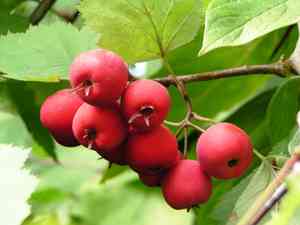
Recognized for its dainty white blossoms and vibrant red fruit, parsley Hawthorn flourishes with judicious trimming to preserve its inherent structure. The most favorable period to prune parsley Hawthorn is in late winter or early spring, prior to the emergence of new shoots. Eliminate any deceased or ailing limbs, reduce congested sections to improve air movement, and sculpt for aesthetic appeal. This upkeep fosters robust development and blooming, deters ailments, and can elevate the plant's decorative appeal.
What Are the Benefits of Pruning Parsley Hawthorn?
What Are the Benefits of Pruning Parsley Hawthorn?
Trimming parsley Hawthorn promotes robust development and maintains its desired shape. Strategic cuts enhance light penetration and air flow, crucial for strong health and form. Regular trimming also prevents overcrowding, improving its structure and visual appeal.
What Is the Best Time for Pruning Parsley Hawthorn?
What Is the Best Time for Pruning Parsley Hawthorn?
Pruning parsley Hawthorn in late winter, before new growth begins, allows the plant to recover from cuts without diverting energy from emerging leaves or flowers. Early spring pruning is also beneficial as it stimulates new growth after the plant has used its energy on blooming and fruiting, reducing the risk of disease and pest infestation during the active growth period.
What Tools Do I Need to Prune Parsley Hawthorn?
Hand Pruners
Parsley Hawthorn's smaller branches can typically be cut with hand pruners. Opt for bypass pruners over anvil types for clean, healthy cuts.
Loppers
For branches slightly too thick for hand pruners, loppers offer the necessary leverage and reach to simplify the task.
Pruning Saw
When dealing with mature parsley Hawthorn that have thicker branches, a pruning saw is essential. It allows for precise cuts without harming surrounding branches.
Pole Pruner
If parsley Hawthorn has grown tall and you need to trim higher branches, a pole pruner can be used to safely reach and cut without needing a ladder.
How to Prune Parsley Hawthorn
Sterilize
Before starting to prune parsley Hawthorn, ensure all pruning tools are sterilized to prevent disease spread. Use a bleach or alcohol solution to wipe down the blades.
Identify
Carefully inspect parsley Hawthorn to locate all dead or diseased branches. These will often be discolored, lack leaves or signs of new growth, and may show visible signs of infection or decay.
Cut
Using sharp pruning shears or a saw for thicker branches, make clean cuts to remove the dead or diseased wood. Cut back to healthy tissue, ensuring to leave a small collar without cutting into the live part of the branch.
Disinfect
After each cut, especially when removing diseased branches, disinfect the pruning tools to prevent contaminating healthy parts of parsley Hawthorn. Reapply the sterilizing solution generously.
Clean up
Once pruning is finished, clear away all removed branches and debris from around parsley Hawthorn. Dispose of diseased material properly to prevent pathogen spread.
Common Pruning Mistakes with Parsley Hawthorn
Overpruning
Removing too much foliage at once can stress parsley Hawthorn, leading to stunted growth or decline.
Improper cut placement
Cutting too close to buds or branches can damage the delicate growth nodes of parsley Hawthorn, hindering proper healing.
Tearing bark
Incorrect tool use may cause bark to tear, which can expose parsley Hawthorn to infections and diseases.
Ignoring diseased limbs
Failing to remove diseased, dead, or damaged limbs can allow the problem to spread throughout parsley Hawthorn.
Shearing
Using shearing techniques common in hedge trimming may result in a dense outer layer of growth, preventing sunlight and air circulation from reaching the inner branches of parsley Hawthorn.
Common Pruning Tips for Parsley Hawthorn
Sharp tools
Always use sharp and clean pruning tools to make clean cuts without damaging the branches of parsley Hawthorn.
Angled cuts
Make cuts at a 45-degree angle just above an outward-facing bud to encourage open growth habit and reduce water collection on the cut surface.
Thinning out
Thin out dense areas to improve air circulation and sunlight penetration, which is essential for the health and flowering of parsley Hawthorn.
Remove crossing branches
Regularly remove branches that are crossing or rubbing together to prevent wounds and potential entry points for disease.
Focus on shape
Prune to maintain the natural shape of parsley Hawthorn, as this helps to ensure a structurally sound and aesthetically pleasing form.
Gradual pruning
If extensive pruning is necessary, perform it gradually over several seasons to minimize stress on parsley Hawthorn.



