How to Prune Black hawthorn?
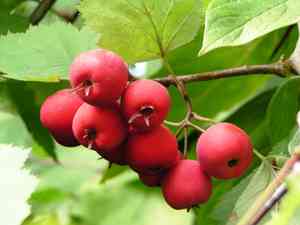
A spiny indigenous bush featuring groupings of white blossoms and dark fruit, black hawthorn thrives with pruning during its dormant period. Key methods involve reducing dense branches and eliminating lifeless or ailing wood to foster air movement and light exposure. The timing is vitalâpruning in late winter prevents interference with spring development. This practice sustains the plant's well-being and robustness, boosting fruit yield, which is beneficial for local fauna. Always employ sanitized, keen implements to lessen strain on black hawthorn.
What Are the Benefits of Pruning Black Hawthorn?
What Are the Benefits of Pruning Black Hawthorn?
Trimming black hawthorn promotes a more abundant yield, stimulates robust development, and helps maintain its desired form, ensuring a compact and visually appealing structure. It's crucial for the plant's vitality and output.
What Is the Best Time for Pruning Black Hawthorn?
What Is the Best Time for Pruning Black Hawthorn?
Winter is the ideal period for pruning black hawthorn for several reasons. During this dormant phase, the absence of leaves allows for clearer visibility of the plant's structure, enabling more precise cuts and shaping. Pruning at this time minimizes plant stress as healing will align with the start of the spring growth cycle, fostering vigorous development and reducing disease risk through pruning wounds. Winter pruning also avoids interfering with flowering and fruiting, as black hawthorn typically blooms and bears fruit in late spring to early summer. This ensures the plant's energy is directed towards producing strong blooms and fruit rather than recovering from pruning injuries.
What Tools Do I Need to Prune Black Hawthorn?
Hand Pruners
For trimming smaller branches and twigs of black hawthorn, hand pruners are perfect. They allow for accurate cuts and can handle branches up to three-quarters of an inch in diameter, which suits black hawthorn's typical branch size. Ergonomically designed pruners reduce hand fatigue and ensure clean cuts that promote healthy regrowth.
Loppers
Loppers offer the extra leverage needed for cutting through branches up to two inches thick, common in mature black hawthorn specimens. The long handles make it easier to reach into the canopy without harming the plant's shape or the gardener.
Pruning Saws
For the larger, more established branches of black hawthorn over two inches in diameter, a sharp pruning saw is recommended. The saw allows for controlled cuts on thicker growth, reducing the risk of damaging the plant.
Pole Pruners
When needing to reach higher branches of black hawthorn without a ladder, pole pruners are the preferred tool. They combine the cutting power of loppers with an extendable handle, especially useful for elevated, hard-to-reach areas.
Gloves and Protective Gear
While pruning black hawthorn, it's important to protect oneself from thorns. Durable gloves and long sleeves should be worn to prevent scratches and injuries. Good-quality gloves also improve grip on tools, providing additional safety.
Cleaning Solution
Black hawthorn can be vulnerable to disease transmission via unclean tools. Use a cleaning solution (such as rubbing alcohol or a 10% bleach solution) to sterilize all pruning tools before and after use to minimize the risk of spreading pathogens.
How to Prune Black Hawthorn
Step1: Optimal Pruning Season Timing
Select the correct time to prune black hawthorn, typically during its dormant period in late winter or early spring before new growth begins. This timing lowers the risk of disease infection and sap loss.
Step2: Identification of Dead Branches
Carefully inspect the tree, identifying dead branches, which will be brittle, lack buds, and often have a different color than healthy ones.
Step3: Sterilization of Pruning Tools
Use clean, sharp pruning tools. Disinfecting shears or saws with a solution of 1 part bleach to 9 parts water between cuts can prevent disease spread.
Step4: Technique for Pruning Dead Branches
Begin pruning by removing all dead branches. Make cuts at a 45-degree angle just above a healthy bud or set of buds, ensuring the angle slopes away from the center of the bud to prevent water from collecting on the cut surface.
Step5: Removal of Diseased Wood
Remove any diseased wood. These branches may appear discolored, have abnormal growths, or show signs of fungal presence. Cut back to healthy tissue well below the diseased sections, being careful to avoid contact with healthy branches to prevent disease transmission.
Step6: Pruning Suckers for Structural Integrity
Identify suckers, which are vigorous vertical shoots growing from the roots or base of the trunk. Prune them close to their origin to foster a strong, singular structure and promote the overall aesthetics of black hawthorn.
Step7: Crown Thinning for Air and Light
Thin the crown of black hawthorn to allow for better air circulation and light penetration. This involves removing some of the interior branches. Prune no more than 1/4 of the live material out of the crown at one time. Over-pruning can stress the tree.
Step8: Selective Cuts for Natural Shaping
Shape black hawthorn by making additional selective cuts to maintain its natural form. Avoid excessive or disproportionate trimming, which can weaken black hawthorn or cause abnormal growth patterns.
Step9: Cleanup of Pruning Debris
After pruning, clean up all trimmings to remove any potential sources of disease or insect infestation from the area around black hawthorn.
Step10: Post-Pruning Watering Practices
Water black hawthorn after pruning to help reduce stress and encourage recovery, but be mindful not to overwater as black hawthorn is generally drought-tolerant and prefers well-drained soil.
Step11: Monitoring for Post-Pruning Health
Monitor black hawthorn regularly after pruning for signs of stress or disease, and provide care as needed to support healthy growth and recovery.
Post-Pruning Care for Black Hawthorn
Post-Pruning Care for Black Hawthorn
Immediately after pruning black hawthorn, clear the area to prevent disease. Ensure black hawthorn receives adequate light without harsh exposure. Maintain moderate humidity and avoid temperature extremes. Apply balanced fertilizer to aid recovery but avoid overfeeding. Regularly check for signs of distress like wilting, discoloration, or infection. If symptoms appear, promptly use appropriate fungicides or insecticides and adjust care conditions, following expert guidance to promote healthy regrowth.
Common Pruning Mistakes with Black Hawthorn
Excessive Foliage Removal Weakening Plant
Over-pruning, which can weaken black hawthorn by removing too much foliage, disrupting its natural shape, and hindering its ability to photosynthesize efficiently.
Using Dull or Dirty Tools Causes Damage
Using dull or dirty pruning tools, which may result in ragged cuts that are vulnerable to pathogens and pests, potentially leading to the spread of disease.
Ignoring Plant's Natural Growth in Pruning
Pruning all branches uniformly without considering the natural growth habit of black hawthorn, which may lead to an unbalanced structure and hinder its ornamental value.
Improper Cutting Techniques Lead to Disease
Making improper cuts, such as leaving stubs or cutting too close to the trunk, which can cause poor healing and increase susceptibility to diseases.
Not Removing Unhealthy Branches Promotes Decay
Neglecting to remove dead, diseased, or crossing branches, which can promote decay and create an environment for pests to thrive.
Common Pruning Tips for Black Hawthorn
Sanitize Tools to Prevent Disease Spread
Before pruning black hawthorn, sanitize pruning tools with a solution of bleach or alcohol to prevent the spread of diseases.
Prune for Natural Shape and Healthy Growth
Prune to maintain the natural form of black hawthorn, selectively thinning out crowded branches to increase light penetration and airflow, which encourages healthy growth.
Make Angled Cuts for Desired Growth Direction
When cutting back branches, make angled cuts just above a bud that faces the direction you want the new growth to take to encourage a desired shape and direction.
Remove Damaged Branches to Maintain Health
Remove any dead, diseased, or broken branches as soon as they are noticed to maintain the health and aesthetic appeal of black hawthorn.
Prune Old Wood for Better Blooming
To encourage vigorous growth and flowering, selectively prune older wood, since black hawthorn typically blooms on last year's growth.



