How to Prune Black-fruited cotoneaster?
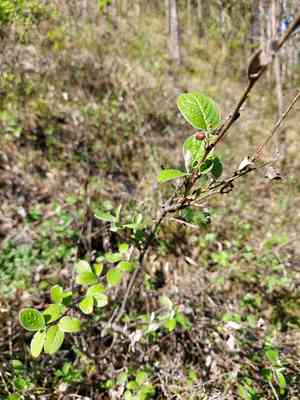
The black-fruited cotoneaster, recognized by its lustrous leaves and deep-hued berries, thrives with regular trimming to preserve its form and stimulate robust development. The primary pruning should occur in late winter or early spring, prior to the emergence of new shoots. Eliminating aged branches and excising any diseased or compromised wood improves air movement and light exposure. Performing pruning after the blooming period enables cultivators to appreciate the berries while simultaneously shaping the shrub. This method guarantees strong growth and elevates the aesthetic value of the black-fruited cotoneaster.
What Are the Benefits of Pruning Black-fruited Cotoneaster?
What Are the Benefits of Pruning Black-fruited Cotoneaster?
Trimming black-fruited cotoneaster ensures it keeps a compact shape, fostering robust development. This practice enables gardeners to manage the plant's dimensions and form, promoting a more pleasing look while contributing to its overall vigor.
What Is the Best Time for Pruning Black-fruited Cotoneaster?
What Is the Best Time for Pruning Black-fruited Cotoneaster?
These periods are considered ideal for trimming black-fruited cotoneaster as they coincide with the time just before new growth begins. In late winter, the plant remains dormant, minimizing stress and the risk of disease transmission via pruning cuts. Pruning then allows shaping and removal of dead, damaged, or diseased wood without affecting the upcoming growth season. Early spring pruning is also advantageous as it's still early enough to avoid cutting new shoots, ensuring black-fruited cotoneaster's energy reserves are directed towards healthy growth and the subsequent flowering and fruiting cycle. Pruning during these seasons promotes strong health, maintains an attractive form, and can enhance the yield of flowers and fruits in the growing season.
What Tools Do I Need to Prune Black-fruited Cotoneaster?
Hand Pruners
Perfect for making clean cuts on smaller stems and branches of black-fruited cotoneaster, ensuring minimal harm to the plant's tissues.
Lopping Shears
Useful for cutting through thicker branches that hand pruners cannot manage, helping maintain the form of black-fruited cotoneaster.
Pruning Saw
Essential for removing any large, mature branches, allowing effective management of black-fruited cotoneaster's size and structure.
Hedge Shears
Suitable for shaping and trimming the dense foliage of black-fruited cotoneaster if it is cultivated as a hedge or for a formal appearance.
How to Prune Black-fruited Cotoneaster
Disinfect tools
Prior to beginning, sanitize all pruning implements with a solution of one part bleach to nine parts water to prevent the spread of pathogens.
Cut diseased leaves
Carefully identify and remove any diseased leaves from black-fruited cotoneaster, cutting them at the base of the leaf stem using sharp bypass shears to reduce plant stress.
Remove withered leaves
Gently trim away any withered leaves on black-fruited cotoneaster to encourage new growth and improve air circulation, again making cuts at the base of the leaf stem.
Prune dead branches
Locate dead branches on black-fruited cotoneaster, ensuring you cut just above a live bud or lateral branch at a 45-degree angle to promote healing and prevent water accumulation.
Eliminate diseased branches
Identify and cut back any diseased branches from black-fruited cotoneaster to healthy tissue, cutting at least several inches into the healthy portion to ensure complete removal of the infected material.
Common Pruning Mistakes with Black-fruited Cotoneaster
Over-pruning
Removing too much growth in a single session can stress black-fruited cotoneaster, potentially leading to weak development or increased vulnerability to diseases.
Crowding cuts
Making too many cuts in one area can cause damage, and it may also impede the natural shape and beauty of black-fruited cotoneaster.
Neglecting tool care
Using dull or dirty pruning tools can harm black-fruited cotoneaster by creating jagged cuts that are more susceptible to infection.
Improper cut placement
Incorrectly placing cuts can result in stubs or too much of the branch remaining, which can hinder proper healing and encourage disease.
Pruning for size reduction
Attempting to control the size of black-fruited cotoneaster through severe pruning is ill-advised; it's more effective to plant it in an appropriate space considering its mature size.
Common Pruning Tips for Black-fruited Cotoneaster
Selective thinning
Remove chosen branches to enhance light penetration and air flow within the canopy of black-fruited cotoneaster, which aids in maintaining plant health and boosts berry production.
Maintenance pruning
Regularly trim away dead, diseased, or damaged wood to keep black-fruited cotoneaster looking neat and to prevent the spread of any potential ailments.
Shaping
Shape black-fruited cotoneaster by cutting back to a side branch or bud that points in the desired direction for new growth, encouraging a natural-looking form.
Rejuvenation
Occasionally, black-fruited cotoneaster may benefit from rejuvenation pruning, where older stems are cut back to the ground to stimulate fresh growth.
Conservative cuts
Limit the amount removed in each pruning session to no more than one-third of the total growth to prevent undue stress to black-fruited cotoneaster.



