How to Prune Rockspray cotoneaster?
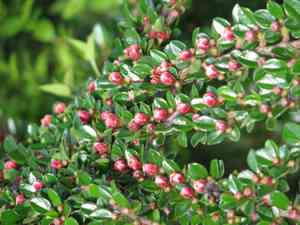
Recognized for its distinctive herringbone branching, rockspray cotoneaster flourishes with meticulous cultivation. Perform pruning in the early spring to manage its dimensions and stimulate compact development. Shorten elongated branches, judiciously thin to foster better air movement, and eliminate any lifeless or ailing wood. Consistent trimming benefits rockspray cotoneaster by elevating its aesthetic appeal and averting excessive expansion, guaranteeing a tidy, organized look for this appealing ground cover.
What Are the Benefits of Pruning Rockspray Cotoneaster?
What Are the Benefits of Pruning Rockspray Cotoneaster?
Trimming rockspray cotoneaster promotes robust development and maintains its desired form. Regular cutting stimulates new shoots, enhancing the plant's fullness and visual appeal.
What Is the Best Time for Pruning Rockspray Cotoneaster?
What Is the Best Time for Pruning Rockspray Cotoneaster?
Trimming rockspray cotoneaster in early spring is beneficial as it prepares the plant for a strong growth period. During this time, the plant is still dormant, which minimizes stress and the chance of disease entering through cuts. It also allows gardeners to shape rockspray cotoneaster while it lacks leaves, offering a clearer view of its structure. Furthermore, pruning before the spring growth surge ensures quick healing of cuts and integration of the plant's natural growth patterns with the desired shape and size. This timing avoids disrupting the flowering and fruiting periods that typically occur later in the season.
What Tools Do I Need to Prune Rockspray Cotoneaster?
Hand Pruners
Suitable for cutting small stems and branches on rockspray cotoneaster. The bypass type is often recommended because it makes cleaner cuts without crushing plant tissues.
Loppers
Ideal for reaching into denser growth to cut thicker branches that hand pruners cannot handle. Their long handles provide leverage to cut up to 1.5 inches in diameter.
Pruning Saw
Necessary for cutting branches over 1.5 inches thick. Its serrated blade allows for cutting larger stems that are too big for loppers.
Hedge Shears
Useful for shaping and maintaining the form of rockspray cotoneaster. Opt for a sharp, high-quality pair to make clean cuts, which is pivotal for the plant's aesthetics and health.
Gloves
Protects the gardenerâs hands from thorns, rough branches, and sap, ensuring safe pruning of rockspray cotoneaster.
Pruning Knife
Handy for cleaning or making precise cuts in tight spaces where other tools might not fit.
How to Prune Rockspray Cotoneaster
Step1: Timing for Pruning
Wait until late winter or early spring before new growth starts to prune rockspray cotoneaster. This timing helps prevent disease and allows for easier identification of which parts to trim.
Step2: Pruning Tool Sterilization
Sterilize pruning tools with a solution of one part bleach to nine parts water to prevent the spread of disease.
Step3: Removing Unhealthy Branches
Start by removing any dead, diseased, or damaged branches to enhance the health and appearance of rockspray cotoneaster. Cut these branches back to the base or to a healthy outward-facing bud using sharp bypass pruners.
Step4: Old Stem Removal for Growth Stimulation
Identify old stems that have not produced significant growth or foliage. Prune these at their base to stimulate new growth, ensuring cuts are made at a slight angle to prevent water accumulation.
Step5: Shaping and Corrective Pruning
Look for misshapen growth or branches that disrupt the symmetry of rockspray cotoneaster. Prune these branches to maintain the desired shape, cutting just above a leaf node or side branch.
Step6: Thinning for Air and Light
Thin out the center of rockspray cotoneaster to increase air circulation and light penetration. Selectively remove some of the inner branches, ensuring not to over-prune as this could shock the plant.
Step7: Pinching for Denser Foliage
To encourage denser foliage, pinch back the tips of young stems using your fingers or pruning shears. This will promote branching.
Step8: Post-Pruning Cleanup
After pruning, clean up all trimmings from around rockspray cotoneaster to deter pests and diseases.
Step9: Watering After Pruning
Water rockspray cotoneaster thoroughly after pruning, unless the soil is already moist, to help the plant recover and sustain new growth.
Step10: Monitoring Plant Health Post-Pruning
Monitor rockspray cotoneaster for signs of stress or disease after pruning and provide care as needed to support healthy growth.
Post-Pruning Care for Rockspray Cotoneaster
Post-Pruning Care for Rockspray Cotoneaster
Immediately after pruning rockspray cotoneaster, ensure clean cuts to aid in rapid healing. Position rockspray cotoneaster in a location with indirect light, avoiding direct sun exposure to prevent stress. Maintain mild humidity and stable temperatures, steering clear of drastic changes. Fertilization should resume only after signs of new growth, using a balanced, slow-release formula to encourage recovery. Monitor rockspray cotoneaster vigilantly for wilting or discoloration as indicators of stress or infection. At any signs of poor health, adjust care and consult an expert if conditions persist.
Common Pruning Mistakes with Rockspray Cotoneaster
Over-pruning: Stress and Reduced Vitality
Pruning too aggressively can harm rockspray cotoneaster by removing too many branches, which may stress the plant and reduce its vitality.
Poor Tool Maintenance: Increased Pest and Disease Risk
Using dull or unclean tools can cause jagged cuts that are susceptible to pests and diseases, damaging rockspray cotoneaster's health.
Lack of Pruning Plan: Unwanted Shape or Size
Pruning without a clear plan can lead to an undesirable shape or size, negatively impacting rockspray cotoneaster's ornamental appeal.
Ignoring Dead Wood: Potential Decay and Growth Issues
Neglecting to remove dead or diseased wood, which can lead to further decay and inhibit rockspray cotoneaster's growth.
Common Pruning Tips for Rockspray Cotoneaster
Sharp Tools for Clean Cuts: Disease Prevention and Healing
Use sharp, clean pruners to make clean cuts on rockspray cotoneaster, which helps prevent disease and encourages quicker healing.
Prune to Natural Habit: Ornamental Shape Maintenance
Follow the natural habit of rockspray cotoneaster when pruning to maintain its horizontal branching pattern for optimal aesthetic form.
Thin for Light and Air: Promotes Healthy Growth
Thin out dense growth to increase light penetration and air circulation, which promotes healthier growth and reduces the risk of disease.
First Remove Dead Branches: Better Health and Appearance
Focus on removing dead, diseased, or damaged branches first to improve the overall health and appearance of rockspray cotoneaster.



