How to Prune New Zealand laurel?
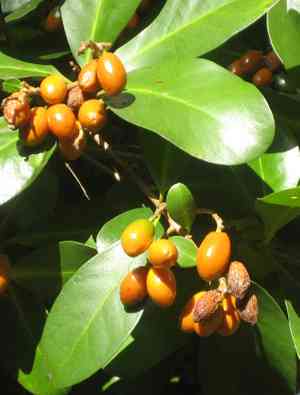
This perennial tree, recognized for its lustrous, tough foliage and resilience in seaside environments, flourishes with little upkeep. Trim New Zealand laurel during the colder months to preserve its form and stimulate denser development. Essential methods involve excising lifeless or ailing limbs, reducing crowded sections to improve light exposure and airflow, and sculpting for visual appeal or spatial limitations. Deliberate cuts foster vigorous well-being, aiding the plant's swift recuperation and diminishing the likelihood of pest invasions or ailments.
What Are the Benefits of Pruning New Zealand Laurel?
What Are the Benefits of Pruning New Zealand Laurel?
Trimming new Zealand laurel promotes robust development and maintains its desired form. By selectively removing specific branches, gardeners can foster a strong framework, ensuring the plant's energy is directed towards healthy growth.
What Is the Best Time for Pruning New Zealand Laurel?
What Is the Best Time for Pruning New Zealand Laurel?
Trimming new Zealand laurel during late winter to early spring is recommended as this species is typically dormant then. This timing minimizes plant stress, as it hasn't yet directed energy into new spring growth. There's also a reduced risk of disease transmission during cooler periods. Avoid pruning in autumn when new growth could be damaged by frost. Pruning before the plant's active growth cycle begins ensures quick recovery and allows for shaping the plant structure without affecting flowering.
What Tools Do I Need to Prune New Zealand Laurel?
Hand Pruners
Perfect for cutting small branches and stems, hand pruners are precise and easy to use, making them ideal for shaping and managing the size of new Zealand laurel.
Loppers
With long handles and a powerful cutting mechanism, loppers are excellent for reaching higher branches and cutting through thicker stems that hand pruners cannot manage.
Pruning Saw
For the mature branches of new Zealand laurel that are too thick for loppers, a pruning saw provides the necessary cutting power and control.
Hedge Shears
Useful for trimming and shaping hedges, hedge shears can assist in the regular upkeep of new Zealand laurel if it's being used as a hedge or shaped into a formal design.
Pole Pruner
When overhead branches of new Zealand laurel are out of reach, pole pruners can extend your reach without needing a ladder, ensuring safety and efficiency.
How to Prune New Zealand Laurel
Identify
Examine new Zealand laurel closely to locate dead wood and diseased foliage that require trimming. Identify any branches that are crossing or rubbing against each other, which can also be prone to disease.
Sanitize
Before making any cuts, ensure all pruning tools are clean and sterilized to prevent the spread of disease to new Zealand laurel.
Deadwood
Carefully remove dead wood by cutting at the base of the dead branch. Use sharp, clean pruning shears or saws, and make the cut just outside the branch collar to promote better healing in new Zealand laurel.
Diseased
Trim diseased foliage and branches by cutting well back into healthy tissue. Dispose of these clippings away from new Zealand laurel to prevent reinfection.
Cleanup
After trimming new Zealand laurel, clear away all removed material from the base of the plant to discourage pests or diseases from lingering in the area. Disinfect the tools once again after finishing.
Common Pruning Mistakes with New Zealand Laurel
Over-Pruning
Removing too much foliage can stress new Zealand laurel, leading to poor growth and reduced vitality.
Incorrect Cutting Technique
Using dull tools or making jagged cuts can harm new Zealand laurel's branches, making them susceptible to disease.
Pruning Healthy Growth
Cutting away healthy wood without good reason can limit new Zealand laurel's potential to develop a strong structure and foliage.
Neglecting To Clean Tools
Not sterilizing pruning tools before use can spread diseases from plant to plant.
Ignoring Wound Dressing
While new Zealand laurel usually heals well, larger cuts may benefit from a wound dressing to protect from pests and diseases.
Common Pruning Tips for New Zealand Laurel
Sharp Tools
Ensure tools are sharp and clean to make precise cuts that heal quickly.
Selective Pruning
Focus on removing any dead, diseased or damaged branches to maintain new Zealand laurel's health and shape.
Thinning Crowded Areas
Thin out crowded branches to improve air circulation and light penetration, encouraging a healthier new Zealand laurel.
Maintain Natural Shape
Prune to enhance new Zealand laurel's natural form rather than impose an unnatural shape, which can stress the plant.
Cutting Angle
Make cuts at a 45-degree angle, just above outward-facing buds, to direct new growth outwards.



