How to Prune Lemon-scented gum?
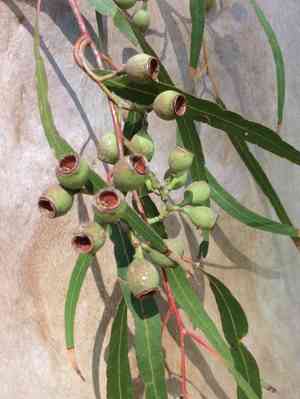
A lofty, fragrant tree recognized for its unique citrus-scented foliage, lemon-scented gum flourishes with deliberate trimming to preserve its vitality and form. Each year, detach lower branches to elevate the tree's upper section and thin the top to improve air movement. Perform pruning in winter to lessen sap leakage and encourage vigorous spring development. This practice aids in removing frail or ailing branches, decreasing the likelihood of limb detachment, a frequent problem for lemon-scented gum, and cultivating a sturdy, visually appealing structure.
What Are the Benefits of Pruning Lemon-scented Gum?
What Are the Benefits of Pruning Lemon-scented Gum?
Trimming lemon-scented gum promotes vigorous development and preserves its form, which is crucial for appearance and preventing excessive growth that could lead to structural problems.
What Is the Best Time for Pruning Lemon-scented Gum?
What Is the Best Time for Pruning Lemon-scented Gum?
Winter is considered ideal for pruning lemon-scented gum as it aligns with the plant's dormant phase. During this period, sap flow is minimal, lowering the chance of sap bleeding, which can attract pests or diseases. The inactive growth stage allows for better wound recovery post-pruning and lessens stress on lemon-scented gum. Furthermore, the absence of leaves in winter offers improved visibility of the plant's structure, enabling more accurate cuts and shaping. Pruning before spring also encourages a strong burst of new growth as the season changes.
What Tools Do I Need to Prune Lemon-scented Gum?
Bypass Pruners
Perfect for cutting small branches and twigs on lemon-scented gum. Their sharp, scissor-like blades create clean cuts without crushing plant tissues.
Loppers
Used for trimming thicker branches that bypass pruners cannot manage. The long handles provide leverage to cut through branches up to 1.5 inches in diameter.
Pruning Saw
Essential for removing larger branches. A pruning saw's serrated blade allows for cutting through branches over 1.5 inches thick on lemon-scented gum.
Pole Pruner
Enables the cutting of high branches without needing a ladder, ensuring safety when trimming taller specimens of lemon-scented gum.
Chainsaw
For professional use or for cutting very large branches on mature lemon-scented gum trees. Must be used with caution and appropriate protective gear.
Gloves and Safety Equipment
Crucial for protecting hands from cuts and skin from the oil of lemon-scented gum, which can be an irritant to some individuals.
How to Prune Lemon-scented Gum
Step1: Timing for Pruning
Determine the optimal time for pruning lemon-scented gum, typically late winter or early spring before new growth begins. This helps prevent disease entry and reduces plant stress.
Step2: Sterilize Pruning Tools
Before starting, sanitize all pruning tools using alcohol or a bleach-water solution to prevent disease transmission. Use sharp, clean tools for precise cuts.
Step3: Inspect Plant for Problem Areas
Thoroughly examine lemon-scented gum to locate and prioritize dead wood, diseased branches, and crisscross branches. These parts can impede the health and appearance of lemon-scented gum.
Step4: Remove Dead Wood
Start with dead wood. Cut dead branches close to the trunk or main branch, without cutting into the branch collar or leaving a stub. This promotes better healing.
Step5: Cut Away Diseased Branches
Proceed to remove diseased branches. Make cuts at least several inches below the affected area to ensure all diseased tissue is removed. Dispose of these properly to prevent spread.
Step6: Eliminate Crisscross Branches
Address crisscross branches that rub against each other or are positioned to grow inward. Remove the least healthy or less structurally important branch by cutting at its base.
Step7: Canopy Thinning for Health
Thin out the canopy of lemon-scented gum if necessary to improve air circulation and light penetration. This step is particularly useful for promoting the overall health and vigor of the plant.
Step8: Shape Following Growth Habits
Check the overall shape of lemon-scented gum. Any corrective cuts for shaping should follow natural growth habits of lemon-scented gum and not compromise its structural integrity.
Step9: Clean Surrounding Area
After pruning, clean the area around lemon-scented gum to ensure no diseased material or debris is left behind, as this can invite pests or disease.
Step10: Post-Pruning Monitoring
Monitor lemon-scented gum after pruning to ensure that it is healing properly and that no signs of disease or pest infestations develop. Adequate water and nutrients will support recovery.
Post-Pruning Care for Lemon-scented Gum
Post-Pruning Care for Lemon-scented Gum
Immediately after pruning lemon-scented gum, ensure clean cuts to aid in rapid healing. Avoid excessive direct sunlight, maintaining a balance that encourages growth but not stress. Adjust watering to reflect lemon-scented gum's reduced foliage, aiming for moderate soil moisture without waterlogging. Within a month, apply a balanced, slow-release fertilizer to support regrowth. Regularly inspect the pruning sites for infection or pests; signs like discoloration or oozing require prompt treatment. Adjust care as lemon-scented gum recovers to foster robust health.
Common Pruning Mistakes with Lemon-scented Gum
Over-Pruning Weakens Plant Growth
Excessive pruning, which can stress lemon-scented gum, leading to weak growth and increased susceptibility to pests and diseases.
Dull/Dirty Tools Damage Branches
Using dull or unclean pruning tools, potentially causing damage to the branches and leaving lemon-scented gum vulnerable to infections.
Improper Cuts Harm Bark and Healing
Tearing or ripping the bark during pruning, which can create open wounds and hinder the healing process of lemon-scented gum.
Ignorance of Plant's Growth Shape Harms Health
Pruning without understanding the natural shape and growth habit of lemon-scented gum, resulting in an unnatural appearance and potentially affecting the tree's health.
Neglecting Dead or Damaged Branches
Ignoring dead, diseased, or damaged branches, which can compromise the overall health and aesthetic of lemon-scented gum.
Common Pruning Tips for Lemon-scented Gum
Use Sharp, Clean Tools for Healthy Cuts
Utilize sharp, clean pruning tools to make precise cuts, which help lemon-scented gum heal quickly and reduce the risk of disease.
Angled Cuts Prevent Water Accumulation
Make cuts at a slight angle away from the bud to prevent water accumulation and minimize the chance of rot setting in lemon-scented gum.
Prune for Natural Shape and Structure
Prune to maintain the natural shape and structure of lemon-scented gum, focusing on removing only what is necessary for the health and aesthetics of the tree.
Remove Dead Branches to Maintain Health
Regularly inspect lemon-scented gum for dead, damaged, or diseased branches, and remove them promptly to maintain vigor and reduce hazards.
Relief Cuts Prevent Bark Tearing
When removing larger branches, make relief cuts to prevent bark from tearing, applying the three-cut method to safeguard the trunk and remaining limbs of lemon-scented gum.
Avoid Cutting Close to Trunk to Protect Collar
Avoid cutting too close to the trunk to prevent damaging the branch collar, which is vital for the proper healing of pruning wounds in lemon-scented gum.



