How to Prune Siberian hazelnut?
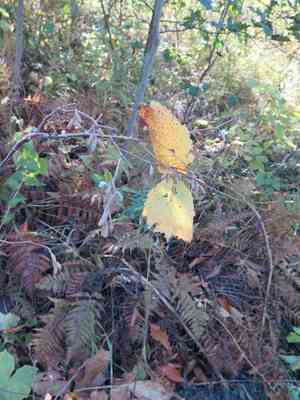
This leafy shrub, known for its abundant nuts and robust characteristics, necessitates precise trimming to guarantee its well-being and output. For siberian hazelnut, it is essential to eliminate lifeless or ailing limbs, reduce dense sections, and sculpt the crown to allow light to penetrate. The most effective pruning should occur in late winter or early spring, prior to the emergence of new shoots. This schedule prevents the loss of sap and fosters strong growth in the spring. Pruning not only preserves the plant's form but also encourages the formation of new wood that produces fruit, thereby increasing the plant's harvest.
What Are the Benefits of Pruning Siberian Hazelnut?
What Are the Benefits of Pruning Siberian Hazelnut?
Trimming siberian hazelnut promotes more robust development and maintains its desired form. Strategic cuts help distribute nutrients efficiently, fostering a stronger, more resilient framework and preventing excessive growth that can lead to a decline in plant vitality.
What Is the Best Time for Pruning Siberian Hazelnut?
What Is the Best Time for Pruning Siberian Hazelnut?
Trimming siberian hazelnut in late winter or early spring is considered optimal as the plant is dormant during this period. This timing minimizes sap loss, which can stress the plant, and allows for quicker wound healing. Pruning before new growth begins ensures the plant's energy is directed towards the development of healthy new branches and facilitates a robust structure. Additionally, during late winter, the absence of leaves provides a clearer view of the plant's structure, making it easier to make informed pruning decisions. Pruning at this time also avoids disrupting the flowering or fruiting cycle that occurs later in the season. It helps in preventing disease spread since many pathogens are inactive in colder weather.
What Tools Do I Need to Prune Siberian Hazelnut?
Hand Pruners
Siberian hazelnut can be kept in shape with hand pruners. For branches up to 3/4 inch thick, use bypass pruners, as they provide clean cuts without crushing stems, facilitating healthy regrowth.
Loppers
For branches that are slightly thicker, ranging from 3/4 inch to 1.5 inches in diameter, loppers are ideal. The long handles provide leverage to make cutting easier, which is useful given the sturdiness of siberian hazelnut's branches.
Pruning Saw
When dealing with siberian hazelnut's thicker branches over 1.5 inches in diameter, a pruning saw is necessary. These saws can make quick work of large branches, ensuring clean cuts for healthy regrowth.
How to Prune Siberian Hazelnut
Clean tools
Before starting, ensure all pruning tools are clean and sharp to avoid spreading diseases and to make clean cuts on siberian hazelnut.
Inspect
Inspect siberian hazelnut carefully, identifying dead and diseased branches that require removal. Look for branches that appear brittle, have no buds, or show signs of infection such as discoloration or fungus.
Remove dead
Prune dead branches first by cutting them back to healthy wood. Make cuts at a slight angle, about 1/4 inch above a bud that is facing outward to encourage siberian hazelnut to grow in a desirable direction.
Remove diseased
Remove diseased branches by making cuts well below the affected areas to prevent the spread of disease. Ensure to cut back to healthy tissue and dispose of removed material away from siberian hazelnut.
Clean up
After pruning siberian hazelnut, clean up all pruning debris from the area to prevent the potential spread of pests and diseases. Sterilize your tools again after finishing to prepare them for the next use.
Common Pruning Mistakes with Siberian Hazelnut
Over-pruning
Removing too much plant material in one pruning session can stress siberian hazelnut, potentially leading to poor growth or disease susceptibility.
Neglecting sanitization
Not cleaning tools before and after pruning siberian hazelnut can spread diseases between plants.
Improper tool selection
Using dull or inappropriate tools can damage the branches of siberian hazelnut, making clean cuts difficult and leaving wounds susceptible to disease.
Flush cutting
Pruning branches of siberian hazelnut flush against the trunk can remove the branch collar, increasing the risk of disease and decay.
Stripping interior growth
Removing too much foliage from the interior of siberian hazelnut can reduce its overall photosynthetic capability and stunt growth.
Common Pruning Tips for Siberian Hazelnut
Right technique
Prune siberian hazelnut using angled cuts just above buds or branching points to promote healthy new growth without leaving stubs.
Branch size consideration
Use hand pruners for smaller branches and loppers or a saw for branches thicker than a pencil to avoid tearing the bark of siberian hazelnut.
Overall shape
Maintain the natural form of siberian hazelnut when pruning; avoid excessive shaping that could compromise the plant's structure and health.
Thin selectively
Thin out some of the older branches of siberian hazelnut to allow light and air to penetrate the canopy, which helps reduce the risk of disease.
Gradual rejuvenation
For older siberian hazelnut plants, rejuvenate gradually over several seasons by removing up to one-third of the oldest stems to stimulate new growth without overstressing the plant.



