How to Prune Beaked hazelnut?
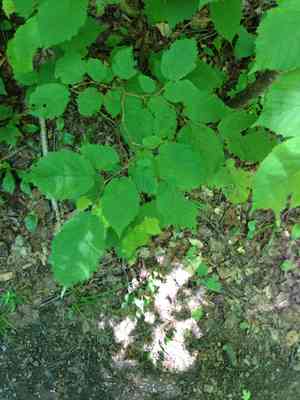
Celebrated for its catkins and palatable nuts, Corylus cornuta flourishes with deliberate trimming. Essential methods include excising deceased or ailing limbs, reducing dense sections to enhance air movement, and sculpting for an attractive appearance. The optimal period for trimming is early spring or late winter, steering clear of sap movement phases to avert illness. Advantages encompass more robust development, augmented nut yield, and improved plant architecture. Meticulous trimming sustains vigor and precludes excessive growth.
Advantages of Trimming Beaked Hazelnut
Advantages of Trimming Beaked Hazelnut
Trimming beaked hazelnut promotes robust development and maintains its form, essential for maximizing nut yield and visual appeal. Strategic cuts enhance light penetration and air movement, crucial for plant vitality and output.
Optimal Period for Trimming Beaked Hazelnut
Optimal Period for Trimming Beaked Hazelnut
Trimming in late winter, prior to sap flow, helps prevent sap loss and disease entry. This timing also allows wound closure to occur with the start of growth in early spring. Furthermore, removing dead or damaged branches while the plant is dormant avoids disrupting its growth cycle and flowering or fruiting processes, which typically happen later in the season. This ensures beaked hazelnut's energy is directed towards producing strong new growth and maintaining overall plant health.
Tools Required for Trimming Beaked Hazelnut
Hand Pruners
Perfect for severing small branches of beaked hazelnut, these provide clean cuts without harming surrounding stems, especially important when thinning dense foliage.
Loppers
These are utilized for slightly larger branches that hand pruners cannot manage effectively. Their extended handles offer leverage, simplifying the trimming of beaked hazelnut's thicker branches.
Pruning Saw
For mature branches of beaked hazelnut that have grown thicker than loppers can handle, a pruning saw is necessary to make clean cuts through the wood.
How to Trim Beaked Hazelnut
Step1: Ideal Trimming Season
Wait for the appropriate time to trim beaked hazelnut, which is late winter or early spring before new growth starts. This timing reduces disease risk and offers clearer visibility of the plant's structure without leaves.
Step2: Sanitize Trimming Tools
Disinfect trimming tools before use to prevent disease spread. Use a solution of 1 part bleach to 9 parts water or another disinfectant. Clean tools again if moving between plants or after cutting diseased sections.
Step3: Remove Dead Branches
Begin trimming beaked hazelnut by removing any dead wood. Look for branches that are discolored, brittle, or lack buds. Make clean cuts where dead wood meets healthy wood, being careful not to damage healthy parts.
Step4: Cut Away Diseased Limbs
Identify diseased parts of beaked hazelnut, indicated by unusual growths, discoloration, or signs of decay. Trim these areas back to healthy tissue, cutting at least a few inches into the healthy portion to ensure complete removal of diseased material.
Step5: Thin Out Overgrown Twigs
Thin out overgrown twigs to enhance air circulation and light penetration. Target twigs that are crossing or rubbing against each other, as these can cause wounds and encourage disease. Make cuts at the base where the twig joins a larger branch or at an outward-facing bud to promote outward growth.
Step6: Manage Plant Shape
Shape beaked hazelnut by cutting back overgrown branches to maintain the desired size and form. Cut just above a bud that faces the direction you want new growth to take. Avoid cutting too close to the bud to prevent damage.
Step7: Final Shape Evaluation
After trimming overgrown twigs, dead wood, and diseased parts, step back to assess the overall shape of beaked hazelnut. Make additional light cuts to refine the shape, always cutting above a healthy bud or lateral branch.
Step8: Dispose of Trimming Debris
Clear away all debris from trimming, such as fallen twigs and leaves, to lessen the chance of harboring pests or diseases. Dispose of diseased material properly, away from healthy plants and compost piles.
Step9: Post-Trimming Plant Care
Monitor beaked hazelnut after trimming for signs of new growth. The trimming cuts should heal over time, and new growth should emerge from buds below the cuts. Keep the plant well-watered and mulched to encourage healthy recovery.
Step10: Document Trimming Activity
Record the trimming session for beaked hazelnut to keep track of the plant's maintenance schedule and to note how the plant responds to the trimming. Adjust future trimming practices based on observations.
Aftercare for Beaked Hazelnut Post-Trimming
Aftercare for Beaked Hazelnut Post-Trimming
Immediately after trimming beaked hazelnut, ensure all cuts are clean to promote healing. Maintain adequate light exposure and shield the plant from extreme temperatures. Increase humidity around beaked hazelnut to aid recovery. Apply a balanced fertilizer to replenish nutrients; however, avoid excessive fertilization which can cause stress. Monitor beaked hazelnut regularly for signs of stress or infection, such as wilting, discoloration, or oozing from cuts. If symptoms appear, adjust care and consult a horticulturist for potential treatments.
Common Trimming Errors with Beaked Hazelnut
Excessive Trimming
Trimming too much: Removing over one-third of beaked hazelnut's foliage or branches can stress the plant and lead to poor growth or disease susceptibility.
Ignoring Crossed Branches
Failing to remove crossing or rubbing branches: These can injure beaked hazelnut and make it vulnerable to infections or pests.
Improper Tool Maintenance
Using dull or dirty trimming tools: This common mistake can result in jagged cuts that heal poorly and may introduce diseases to beaked hazelnut.
Trimming Without Strategy
Trimming without a plan: Random or excessive cutting can lead to uneven growth, with some gardeners inadvertently removing healthy, productive wood.
General Trimming Advice for Beaked Hazelnut
Prioritize Problematic Branches
Assess beaked hazelnut before trimming: Look for dead, diseased, or damaged branches as these should be addressed first to maintain plant health.
Use Sharp, Clean Tools
Make precise cuts: Use sharp, clean tools to make cuts just above buds or branching points, and angle the cuts to allow water to drain from the wound.
Trim to Natural Shape
Focus on shaping: Encourage beaked hazelnutâs natural form by trimming for an open, vase-like shape, which increases sunlight exposure and air circulation.
Stimulate New Growth
Promote new growth: Thin out some of the older stems to stimulate the development of vigorous new branches and potentially more fruit.
Avoid Trunk And Collar Damage
Protect the plant's structure: Avoid cutting into the main trunk or collars of beaked hazelnut, as this can introduce disease and damage the plant's structure.



