How to Prune Turkish hazel?
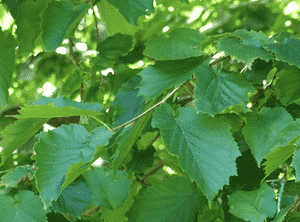
The turkish hazel, a deciduous tree recognized for its impressive height and ornamental, textured bark, flourishes with infrequent trimming. To preserve its well-being and form, undertake pruning in early spring or late winter, prior to the commencement of the growth period. Eliminate any deceased, impaired, or intersecting branches, and reduce crowded sections to enhance light exposure and air movement. Thoughtful pruning boosts nut yield and tree vitality, while ensuring it keeps its inherent silhouette and sturdy presence.
Advantages of Trimming Turkish Hazel?
Advantages of Trimming Turkish Hazel?
Trimming turkish hazel promotes robust development and maintains its form. Strategic removal of lifeless or weak limbs encourages healthier branches. Managing its size and shape reduces wind resistance, preventing damage and fostering a strong framework.
Optimal Period for Pruning Turkish Hazel?
Optimal Period for Pruning Turkish Hazel?
Pruning turkish hazel in late winter or early spring, prior to new growth, supports its natural cycle and encourages vigorous development. This timing allows for the removal of winter-damaged branches and helps avoid stressing the plant during warmer months. It also minimizes the risk of 'bleeding,' where sap loss occurs from cuts. Pruning before the spring growth spurt ensures rapid healing of cuts, directing the plant's energy into producing strong new growth rather than repairing old, potentially diseased or unproductive wood. Additionally, since turkish hazel typically produces nuts, late winter or early spring pruning ensures minimal disruption to the flowering and fruiting cycle, thereby preserving the year's yield.
Necessary Tools for Pruning Turkish Hazel?
Hand Pruners
Perfect for cutting small branches and twigs on turkish hazel, typically up to 3/4 inches in diameter. These enable precise cuts without harming smaller branches.
Loppers
These are suitable for somewhat larger branches, usually up to 1 1/2 to 2 inches thick, commonly found on mature turkish hazel trees. Their extended handles provide leverage for easier cutting.
Pruning Saw
Crucial for removing larger branches that exceed the capacity of hand pruners and loppers. A fine-toothed pruning saw can make clean cuts on turkish hazel limbs over 2 inches thick.
Pole Pruner
Useful for reaching higher branches of turkish hazel without needing a ladder, ensuring safety when pruning taller specimens.
Hedge Shears
While not typically used for structural pruning, hedge shears can be useful for shaping and maintaining the denser outer foliage of turkish hazel if a formal hedge appearance is desired.
How to Prune Turkish Hazel
Sanitize
Before pruning turkish hazel, disinfect all pruning tools using a solution of one part bleach to nine parts water to prevent disease transmission.
Inspect
Examine turkish hazel for dead and diseased branches, identifiable by their dry, brittle texture or visible signs of fungal infection or decay.
Cut diseased branches
Using sharp, clean pruning shears, make a clean cut to remove diseased branches. Cut at a slight angle, just above a healthy bud or branching point, ensuring no stubs are left that could harbor pests or disease.
Cut dead branches
Locate dead branches on turkish hazel and prune them back to the point of live tissue or the branch collar. Dead branches will lack green tissue when lightly scraped or will easily snap due to brittleness.
Disposal
Dispose of the removed dead and diseased material away from healthy plants to avoid contamination. Do not compost these materials as they may contain pathogens.
Common Pruning Errors with Turkish Hazel
Excessive Pruning
Removing too much foliage at once can stress turkish hazel, leading to stunted growth and increased susceptibility to diseases.
Incorrect Cut Angles
Improper cutting angles can result in stubs or uneven cuts that may harm turkish hazel and impede proper healing.
Tearing Branches
Ripping or tearing branches instead of making clean cuts can damage turkish hazel's bark and create entry points for pests and diseases.
Neglecting Tool Hygiene
Using dirty pruning tools can introduce pathogens to turkish hazel, increasing the risk of infections.
Pruning Without A Plan
Random or excessive cuts without understanding the growth pattern of turkish hazel can lead to a misshapen and weakened structure.
General Pruning Advice for Turkish Hazel
Clean Cuts
Use sharp and clean pruning shears to make precise cuts on turkish hazel, which aids in faster healing and reduces plant stress.
Selective Thinning
Remove specific branches to enhance air circulation and light penetration within turkish hazel's canopy, promoting healthy growth.
Respect Plant Architecture
Understand the natural shape of turkish hazel and prune in a way that maintains its structural integrity and aesthetic form.
Protect The Collar
Make cuts just outside the branch collar without damaging it to ensure proper wound closure and prevent infections in turkish hazel.
Monitor Plant Health
Regularly inspect turkish hazel for dead, diseased, or damaged branches, and prune them away to maintain overall plant vitality.



