How to Prune American hazelnut?
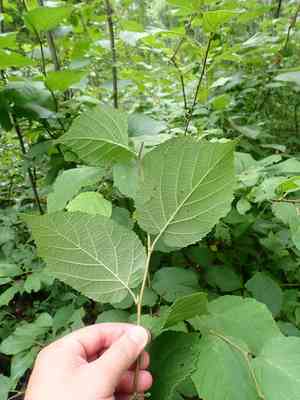
A deciduous bush recognized for its palatable nuts and brilliant autumn leaves, american hazelnut thrives with particular trimming techniques. To foster vigorous development and nut yield, eliminate deceased or ailing branches, thin out congested limbs, and sculpt the plant in early spring or late winter. Pruning during this period enables american hazelnut to recover prior to the onset of new growth. Consistent trimming sustains air movement and diminishes infestations, guaranteeing a sturdy, fruitful shrub.
What Are the Benefits of Pruning American Hazelnut?
What Are the Benefits of Pruning American Hazelnut?
Trimming american hazelnut promotes robust development and preserves its desired form. It revitalizes the plant, ensuring it stays healthy and productive with an appealing structure.
What Is the Best Time for Pruning American Hazelnut?
What Is the Best Time for Pruning American Hazelnut?
Trimming american hazelnut in late winter or early spring is beneficial because the plant is still dormant, and the absence of leaves allows for a clear view of the structure for precise cuts. This timing prevents stressing the plant during its active growth phase and ensures energy is directed towards the development of strong, healthy new branches. Additionally, since american hazelnut flowers and produces nuts typically from late spring to early fall, pruning in the recommended seasons avoids removing flower buds, which ensures the plant's ability to produce fruit for the year.
What Tools Do I Need to Prune American Hazelnut?
Hand Pruners
Perfect for making neat cuts on small branches and twigs commonly found on american hazelnut. Must be sharp for effective pruning.
Loppers
Used for branches too thick for hand pruners. They provide greater leverage to cut through larger stems safely and efficiently.
Pruning Saw
Crucial for branches over an inch thick that loppers cannot manage, allowing for accuracy without harming american hazelnut.
Hedge Shears
Useful for shaping american hazelnut if grown as a hedge, facilitating uniform and aesthetically pleasing cuts across multiple stems.
Pole Pruner
Offers extended reach for higher branches without needing ladders, maintaining the natural shape and health of american hazelnut.
How to Prune American Hazelnut
Step1: Timing for Pruning
Determine the optimal time to prune american hazelnut, typically in late winter or early spring before new growth starts. This timing helps reduce disease risk and promotes better wound healing.
Step2: Tool Selection and Sterilization
Gather the appropriate tools for pruning american hazelnut, such as sharp, clean bypass pruners for smaller branches and loppers or a saw for larger branches. Sanitize tools before use to prevent disease spread.
Step3: Removing Dead Wood
Begin by removing any dead wood. Identify dead branches by their lack of flexibility and dried-out appearance. Cut these branches at their base where they meet healthy wood, making your cut at a slight angle to encourage water runoff and healing.
Step4: Pruning Diseased Limbs
Inspect american hazelnut for any signs of diseased limbs, which may be discolored, have unusual growths, or show signs of decay. Carefully prune away these limbs by cutting them back to a healthy section of the branch, ensuring not to spread the disease to healthy areas.
Step5: Trimming Weak Shoots
Identify weak shoots on american hazelnut that may be too thin, growing at an odd angle, or are overcrowded. Prune these to their point of origin or to a lateral branch that is strong enough to assume the terminal role.
Step6: Shaping and Balancing
After trimming the dead wood, diseased limbs, and weak shoots, step back and examine american hazelnut for shape and balance. Remove any remaining branches that disrupt the symmetry or overall form of the plant, cutting just above a bud or branching point facing the desired direction of growth.
Step7: Thinning for Light and Air
Thin the interior of american hazelnut by removing some of the older branches entirely to improve air circulation and light penetration. This should be done conservatively, ensuring not to remove more than one-third of the total branches in a single season.
Step8: Post-Pruning Cleanup
Clean up all debris from pruning, including leaves, twigs, and branches, to maintain good hygiene around american hazelnut and prevent the spread of any potential diseases found in the pruned material.
Step9: Monitoring for Stress and Disease
Monitor american hazelnut for signs of stress or disease following pruning and address any concerns promptly. Regular aftercare, including proper watering, fertilization, and mulching, can promote healthy regrowth.
Step10: Seasonal Pruning Maintenance
Reevaluate the need for additional pruning throughout the growing season, as american hazelnut may produce suckers or additional weak growth that requires attention.
Post-Pruning Care for American Hazelnut
Post-Pruning Care for American Hazelnut
After trimming, immediately water american hazelnut, ensuring moist but well-drained soil conditions. Manage light exposure to provide partial shade, avoiding direct hot sun. Maintain ambient humidity and temperatures between 60-75°F. Apply a balanced, slow-release fertilizer to support regeneration. Monitor american hazelnut for wilt, discoloration, or pest activity, indicative of stress or infection. If such signs occur, adjust care and consult a horticulturist for potential treatments.
Common Pruning Mistakes with American Hazelnut
Excessive Pruning Reduces Vigor and Yield
Trimming too much at once, which can stress american hazelnut and potentially reduce its vigor and nut production.
Incorrect Cutting Damages Plant Collar
Cutting branches flush against the trunk, which can damage american hazelnut's collar and lead to disease and decay.
Dirty or Dull Tools Harm Plants
Using dirty or dull pruning tools, which can make rough cuts that harm american hazelnut and introduce pathogens.
Common Pruning Tips for American Hazelnut
Sharp, Clean Shears for Efficient Healing
Utilize sharp, clean pruning shears to make clean cuts that american hazelnut can heal from efficiently.
45-Degree Cuts Promote Outward Branch Growth
Prune branches at a 45-degree angle about 1/4 inch above a bud facing the outside of the plant, promoting outward growth for american hazelnut.
Remove Dead or Diseased Branches for Health
Remove any dead, damaged, or diseased branches to maintain american hazelnut's health and redirect energy to healthy growth.
Thin Crowded Areas to Prevent Fungal Infections
Thin out crowded areas to ensure good air circulation, which reduces the risk of fungal infections in american hazelnut.
Selective Pruning Retains Natural Plant Shape
Retain the structure of american hazelnut by selectively pruning branches, ensuring not to alter its natural shape drastically.



