How to Prune Shrubby crownvetch?
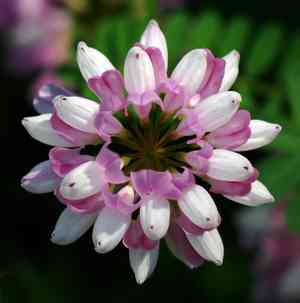
A adaptable evergreen bush, shrubby crownvetch is distinguished by its fragrant, vivid yellow blossoms and delicate leaves. Trim shrubby crownvetch in late winter or early spring prior to the emergence of new shoots. Eliminate any lifeless, injured, or excessively thick branches to preserve its form and enhance air movement. Reducing older woody stems stimulates new flowers and revitalizes the specimen. Precise, deliberate trimming is crucial to optimize blooming and development for this heliophilic shrub.
What Are the Benefits of Pruning Shrubby Crownvetch?
What Are the Benefits of Pruning Shrubby Crownvetch?
Trimming shrubby crownvetch promotes abundant flowering and strong vitality by eliminating dead or diseased wood, thereby reducing susceptibility to pests and illnesses. It also encourages new growth, ensuring a dense and attractive appearance.
What Is the Best Time for Pruning Shrubby Crownvetch?
What Is the Best Time for Pruning Shrubby Crownvetch?
Trimming shrubby crownvetch in early spring is advantageous as the plant emerges from dormancy, making it an ideal period for shaping and fostering vigorous growth for the upcoming season. This timing allows for the removal of any winter frost damage before new growth begins. Winter pruning, when shrubby crownvetch is dormant, helps prevent disease transmission and allows gardeners to easily discern the plant's structure due to leaf drop. It is a suitable time for structural or rejuvenative pruning, which can revitalize shrubby crownvetch for spring growth. Both seasons avoid cutting back shrubby crownvetch during its blooming phase, ensuring the plant's energy is preserved for flowering and not expended on healing pruning wounds.
What Tools Do I Need to Prune Shrubby Crownvetch?
Hand pruners
Hand pruners (also known as secateurs) are perfect for making clean cuts on shrubby crownvetch's smaller stems and branches. Their precision enables gardeners to shape the plant and remove unwanted growth without harming the remaining stems.
Loppers
Loppers are appropriate for cutting through thicker branches of shrubby crownvetch that hand pruners might not manage. They provide extra leverage and reach, making them efficient for shaping the plant and managing its size.
Pruning saw
For the thickest branches of shrubby crownvetch, a pruning saw can quickly remove them. Its larger teeth and specialized cutting surface can handle woody growth too substantial for loppers.
Gardening gloves
Gardening gloves safeguard hands from thorns and scratches while trimming shrubby crownvetch. Safety is paramount, and gloves help prevent injuries.
Pruning shears
Pruning shears offer a more delicate touch for trimming and shaping softer stems of shrubby crownvetch. They are effective for deadheading and preventing disease spread by allowing clean cuts.
Clean cloth & disinfectant
Using a clean cloth and disinfectant is essential for wiping down tools before and after pruning shrubby crownvetch. This prevents the spread of pests and diseases from contaminated tools.
How to Prune Shrubby Crownvetch
Sterilize
Before starting, sterilize pruning tools with alcohol or a bleach solution to prevent the spread of disease to shrubby crownvetch.
Remove diseased
Identify and carefully remove any diseased leaves and branches from shrubby crownvetch using sharp shears to prevent further infection.
Excise dead
Prune away any dead branches, withered leaves, and spent flower heads to promote healthier growth and improve air circulation within shrubby crownvetch.
Trim excessive
Cut back overly long branches judiciously to maintain shrubby crownvetch's desired shape and size, ensuring cuts are made at a slight angle above a leaf node or bud.
Dispose
After pruning, properly dispose of all removed material away from shrubby crownvetch to minimize the risk of disease transmission.
Common Pruning Mistakes with Shrubby Crownvetch
Over-pruning
Removing too much growth at once can stress shrubby crownvetch, hindering its ability to recover and potentially leading to diminished health and fewer flowers.
Incorrect Cuts
Making cuts that are either too close to the main stem, leaving stubs, or cutting at inappropriate angles can result in damage to shrubby crownvetch and may introduce disease.
Pruning at Wrong Angles
Cuts that are not at a 45-degree angle away from a bud can cause water to accumulate, leading to rot and disease in shrubby crownvetch.
Using Dull Tools
Pruning shrubby crownvetch with dull tools can cause jagged cuts that harm the plant and make it more susceptible to pests and diseases.
Removing Too Much Old Wood
Shrubby crownvetch blooms on old wood; excessive removal of this can significantly reduce flowering.
Common Pruning Tips for Shrubby Crownvetch
Sanitize Tools
Clean and sanitize pruning tools before and after use to prevent the spread of diseases to shrubby crownvetch.
Selective Pruning
Focus on removing only dead, diseased, or overcrowded branches to maintain the plant's health and shape without extensive cutting back.
Optimal Cuts
Make cuts at a 45-degree angle, about 1/4 inch above an outward-facing bud or leaf node, to encourage proper healing and regrowth in shrubby crownvetch.
Thin Out
Thin out the center of shrubby crownvetch to increase air circulation and light penetration, which helps prevent disease and promote healthy growth.
Retain Structure
Aim to maintain the natural shape of shrubby crownvetch, removing only what is necessary to enhance its form and vitality.



