How to Prune Cornus sanguinea?
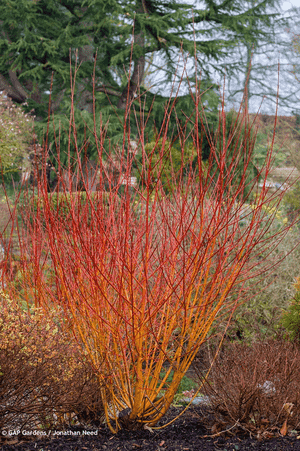
A leaf-shedding bush recognized for its brilliant fall hues, common dogwood flourishes optimally with judicious trimming. Eliminate one-third of the most mature stalks at soil level to stimulate fresh development, and shorten flowering branches subsequent to blossoming to preserve its form. The perfect time for pruning is from late spring to early summer, following the flowering period, to optimize development and bloom output. Trimming revitalizes common dogwood, improving both its leaves and floral presentation while averting excessive density for a robust plant architecture.
Advantages of Trimming Common Dogwood
Advantages of Trimming Common Dogwood
Trimming common dogwood promotes abundant flowering and sustains plant vitality, decreasing susceptibility to pests and illnesses. Strategic cuts stimulate new development, resulting in denser foliage and more vivid displays.
Optimal Period for Pruning Common Dogwood
Optimal Period for Pruning Common Dogwood
Pruning common dogwood in late spring or early summer aligns with the conclusion of its blooming phase, ensuring that the plant's attractive flowers are not removed prematurely. Performing pruning at this time allows gardeners to simultaneously shape the plant and enhance its flowering potential for the following year. Trimming after flowering also prevents the loss of the current season's fruit, which can be vital for local wildlife. These periods avoid subjecting common dogwood to stress during winter's cold and summer's intense heat, thereby harmonizing with the plant's natural growth cycle and facilitating robust growth and recovery.
Essential Tools for Pruning Common Dogwood
Bypass Pruners
Common dogwood possesses stems that are easily severed with bypass pruners. These tools create clean cuts that heal rapidly, minimizing harm to the plant.
Loppers
For thicker branches that bypass pruners cannot manage, loppers are the next suitable tool for common dogwood. Their extended handles provide leverage to cut through denser wood.
Pruning Saw
When common dogwood has developed mature, woody stems too thick for loppers, a pruning saw becomes indispensable. It enables cutting without damaging adjacent branches.
Hand Shears
For shaping common dogwood and managing its size, hand shears are perfect. They offer precise control over the trimming of smaller twigs and foliage.
How to Prune Common Dogwood
Remove Diseased And Dead Material
Identify and carefully snip away any diseased leaves, withered foliage, dead branches, and infected branches from common dogwood. Utilize sanitized pruning shears to prevent disease transmission.
Thin Out
Thin out common dogwood by removing any branches that are crossing over each other or growing inward towards the plant's center to improve air circulation and light penetration.
Cut Back Withered Flowers
Prune faded flowers from common dogwood after blooming to encourage new growth and maintain an aesthetically pleasing form.
Control Growth
Trim back excessively growing branches on common dogwood to maintain the desired shape and size of the plant, and to promote more vigorous development.
Clean Up
After pruning, clear away all removed material from around common dogwood to prevent potential pest issues and foster a healthy growing environment.
Common Pruning Errors with Common Dogwood
Over-Pruning
Removing an excessive amount of foliage from common dogwood can stress the plant and diminish its vigor, potentially leading to fewer blooms or weakened overall health.
Using Blunt Tools
Pruning common dogwood with dull or blunt tools creates jagged cuts and harms the plant, increasing its susceptibility to diseases.
Incomplete Cuts
Leaving stubs or not cutting close enough to a bud on common dogwood can result in dieback and potential entry points for pests or diseases.
Improper Sanitation
Not sterilizing pruning tools between uses can spread diseases from infected to healthy parts of common dogwood or between different plants.
Pruning Healthy Growth
Indiscriminately removing healthy branches can reduce the ornamental value of common dogwood and does not encourage the desired growth patterns.
Lack Of Thinning
Failing to thin out the center of common dogwood for better air circulation and light penetration, resulting in a crowded canopy that can promote disease.
General Pruning Advice for Common Dogwood
Proper Tool Selection
Employ clean, sharp pruning shears or loppers for making precise cuts on common dogwood, which aids in faster healing and reduces disease risk.
Selective Cutting
Prune common dogwood by choosing specific branches to remove, such as those that are dead, diseased, or crossing others, to enhance the plant's shape and health.
Cutting Angle
Make cuts at a 45-degree angle just above an outward-facing bud on common dogwood to encourage outward growth and prevent water from accumulating on the cut surface.
Periodic Assessment
Regularly evaluate the growth of common dogwood and prune as necessary to shape the plant and remove any undesirable growth.
Thinning
Thin out older stems of common dogwood to encourage new growth which is brightly colored and more vibrant, enhancing the plant's ornamental value.
Rejuvenation
Consider a rejuvenation prune for older common dogwood plants by cutting back the oldest stems at the base to promote fresh growth and maintain plant vigor.



