How to Prune Pacific dogwood?
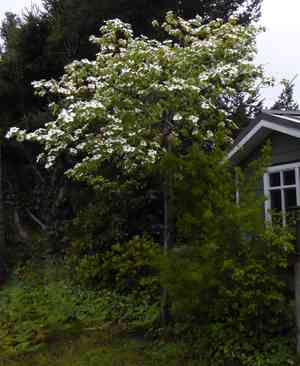
Originating from the western United States, this deciduous tree showcases substantial white to pink blossoms and crimson berries. For pacific dogwood, conduct pruning in late winter or early spring prior to the emergence of new foliage. Eliminating dead or ailing limbs and thinning for improved air movement are crucial. Formative pruning of young trees involves shortening terminal shoots to stimulate branching, but refrain from extensive cutting, which can induce strain. Pruning boosts bloom production and sustains a robust, controllable stature, guaranteeing pacific dogwood continues as a garden centerpiece.
What Are the Benefits of Pruning Pacific Dogwood?
What Are the Benefits of Pruning Pacific Dogwood?
Trimming pacific dogwood can stimulate its development, leading to a more robust and vigorous specimen. Regular cutting helps to maintain an attractive form, ensuring pacific dogwood remains an aesthetically pleasing feature in the landscape.
What Is the Best Time for Pruning Pacific Dogwood?
What Is the Best Time for Pruning Pacific Dogwood?
Pruning pacific dogwood is best performed in late winter or early spring before new growth begins. During these periods, the plant is typically dormant, minimizing stress and promoting better wound recovery. Late winter pruning allows pacific dogwood time to recuperate and direct energy to new growth as temperatures rise. Early spring pruning, just prior to the spring growth spurt, ensures that cuts will soon be covered by new foliage, reducing the risk of disease entry. Furthermore, pruning before pacific dogwood enters its active growth phase prevents the removal of spring flower buds, which form on the previous year's growth, thus preserving the plant's ornamental value.
What Tools Do I Need to Prune Pacific Dogwood?
Hand Pruners
Ideal for cutting smaller branches, typically under 3/4 inch in diameter, ensuring clean and precise cuts which are vital for the health of pacific dogwood.
Lopping Shears
Best suited for cutting branches with a thickness of 3/4 inch to 1 1/2 inches. This tool offers more leverage and is essential for reaching into the plant's interior without causing harm.
Pruning Saw
Required for larger branches over 1 1/2 inches thick that hand pruners and lopping shears cannot manage, allowing for a controlled cut that minimizes damage to pacific dogwood.
Pole Pruner
Useful for reaching higher branches without needing a ladder, providing the ability to manage the shape and health of pacific dogwood from the ground.
Garden Scissors
For snipping smaller stems and leaves. Precise control with garden scissors is beneficial for shaping pacific dogwood and removing unwanted shoots.
How to Prune Pacific Dogwood
Identify And Clean
Examine pacific dogwood thoroughly to locate all dead and diseased branches. Ensure pruning tools are clean and sharp to prevent the spread of disease and to make accurate cuts.
Cut Dead Branches
Using bypass pruners or a saw depending on the thickness, remove dead branches by cutting them at their origin or back to a main stem. Avoid leaving stubs as these can attract disease.
Remove Diseased Branches
Carefully cut out diseased branches, making sure to remove the entire affected area. Disinfect pruning tools after each cut to prevent contaminating healthy parts of pacific dogwood.
Smooth Cuts
Smooth any rough edges left from the cuts to promote faster healing. This step minimizes the likelihood of pests and diseases entering through jagged openings.
Disposal
Dispose of all removed dead and diseased material away from pacific dogwood to prevent any potential re-infection. Clean and store your tools correctly post-pruning.
Common Pruning Mistakes with Pacific Dogwood
Over-Pruning
Removing too much foliage can stress pacific dogwood, potentially leading to poor health and reduced flowering. Generally, it is advised not to remove more than one-third of the plant's total volume during a single pruning session.
Improper Cuts
Making cuts that are too close to the 'collar' (the swollen area at the base of the branch) of pacific dogwood can result in damage to the bark and the underlying cambium layer. Conversely, leaving a large stub can encourage disease and pest infestation.
Pruning For Height Reduction
Pacific dogwood does not respond well to harsh topping or heading back to control size. Such techniques can disfigure the tree and inhibit its natural growth pattern.
Pruning During Active Growth
Trimming pacific dogwood vigorously while it is actively growing can lead to unnecessarily large wounds that are slower to heal and may attract pathogens.
Ignoring Diseased Or Damaged Wood
Failing to consistently remove diseased, broken or dead branches can invite decay and insect problems, compromising the overall health of pacific dogwood.
Common Pruning Tips for Pacific Dogwood
Sharp Tools
Use clean, sharp pruning tools to make precise cuts on pacific dogwood, which will heal more quickly and reduce the chance for disease entry.
Selective Thinning
Focus on thinning out the canopy of pacific dogwood to improve air circulation and light penetration, which promotes healthier foliage and flowering. Selectively remove crowded branches, particularly those that are crossing or rubbing against each other.
Shape Maintenance
Pacific dogwood naturally has an attractive shape. When pruning, aim to maintain this form by only cutting back to a lateral branch or bud facing the outside of the plant, encouraging outward growth.
Renewal Pruning
For older pacific dogwood specimens, use renewal pruning by removing a few of the oldest stems at ground level. This encourages new growth from the base without drastically affecting the plant's structure.
Cautious Approach
Always start with a conservative approach when pruning pacific dogwood, especially if unfamiliar with the plant's growth habits. It's better to prune too little than too much, as you can always cut more if needed.



