How to Prune Cornelian cherry?
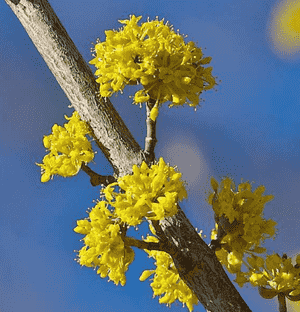
This leafy shrub showcases yellow blossoms prior to its foliage appearing, yielding palatable red berries. For Cornelian Cherry, initial shaping during its early years helps define its structure. Established Cornelian Cherry plants benefit from removing older limbs to encourage new development. Perform pruning in late winter or early spring, before new buds form. Eliminate any lifeless, injured, or intersecting branches to sustain vigor and promote a plentiful fruit harvest. Adopt a minimalist approach to pruning to retain the inherent vase-like form, thereby improving both visual charm and fruit yield.
Advantages of Trimming Cornelian Cherry
Advantages of Trimming Cornelian Cherry
Trimming cornelian cherry encourages robust new growth, helping it maintain a compact and appealing shape. Strategic cuts enhance light exposure and air movement, crucial for the plant's health and fruit yield.
Optimal Time for Pruning Cornelian Cherry
Optimal Time for Pruning Cornelian Cherry
Pruning cornelian cherry in late winter or early spring coincides with its dormant phase, just before new growth begins. This timing is ideal as it minimizes plant stress and lowers the chance of disease entering through cuts. Pruning before the spring growth surge allows cornelian cherry's wounds to heal rapidly. Furthermore, since cornelian cherry blooms on old wood, late winter or early spring pruning ensures that flower buds formed the previous year are not removed, preserving the upcoming bloom season. Pruning at this time also aids in maintaining a desired form and size, and fosters a strong structure for fruit production.
Tools Required for Pruning Cornelian Cherry
Hand Pruners
Perfect for thinning and snipping small branches, they provide precise cuts essential for cornelian cherry's proper healing and shape maintenance.
Loppers
Excellent for reaching into the cornelian cherry canopy to remove medium-sized branches, up to 1.5 inches in diameter, particularly important for older plants with denser growth.
Pruning Saw
Necessary for cutting larger branches too thick for hand pruners or loppers. A pruning saw will efficiently handle branches exceeding 1.5 inches in diameter.
Pole Pruner
Useful for elevated branches that are out of reach. This also enables the gardener to safely prune cornelian cherry from the ground without needing a ladder.
How to Prune Cornelian Cherry
Identify
Carefully inspect cornelian cherry to find dead or diseased branches that require removal. Look for branches that are brown, brittle, and lack buds or leaves, as well as any signs of illness like discoloration or cankers.
Disinfect
Before making cuts, sanitize pruning tools with a solution of 1 part bleach to 9 parts water to prevent disease transmission. Allow tools to air dry after disinfection.
Cut Diseased Branches
Remove any diseased branches by cutting them back to healthy tissue. Make the cut at a downward angle, just above a bud or branching point, to encourage healthy growth and water runoff.
Remove Dead Branches
Prune dead branches by cutting them back to their origin point or to a healthy lateral branch. Make clean cuts to avoid tearing the bark, which can harm cornelian cherry.
Cleanup
After pruning, gather all removed branches and dispose of them properly to prevent any disease spread. Clean the pruning tools again to ensure they are ready for future use.
Common Pruning Errors with Cornelian Cherry
Excessive Pruning
Removing too much of the cornelian cherry's canopy can lead to reduced flowering and a weakened structure. It's crucial not to remove more than one-third of the plant's total branches in a single pruning session.
Incorrect Cuts
Improper cutting angles and jagged cuts can damage cornelian cherry by creating entry points for pests and diseases.
Ignoring Diseased Branches
Failure to promptly remove diseased, dead, or damaged wood can lead to further health problems for cornelian cherry, including the spread of decay and disease.
Pruning Young Wood
Cutting too much of the current year's growth can inadvertently remove the developing buds that will become the following season's flowers.
Neglecting Shape
Disregarding the natural shape of cornelian cherry when pruning can result in a less attractive form and hinder the plant's natural growth pattern.
General Pruning Advice for Cornelian Cherry
Sharp Tools
Use clean, sharp pruning shears to make precise cuts that will heal quickly and minimize disease risk.
Identify Buds
Before cutting, locate the buds on cornelian cherry to make decisions that will enhance flowering, taking care to preserve as many flower buds as possible.
Gradual Pruning
For cornelian cherry, it's beneficial to prune gradually over several seasons rather than performing severe pruning in a single year, to maintain the plant's vigor and shape.
Thinning
Thin out crowded branches to increase light penetration and air circulation, which promotes healthy growth and reduces the risk of fungal diseases in cornelian cherry.
Follow Branch Angles
When trimming cornelian cherry, make cuts at a slight angle just above outward-facing buds, allowing water to run off and encouraging outward growth.



