How to Prune Kousa dogwood?
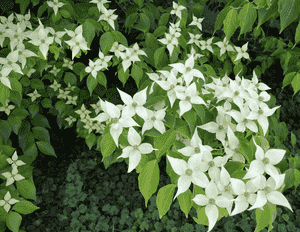
The kousa dogwood, a compact deciduous tree prized for its striking late spring blossoms and decorative fruit, thrives with limited trimming to preserve its inherent structure. Essential methods involve excising lifeless or ailing wood, reducing congested limbs, and executing angled cuts away from nascent buds. The most favorable period for pruning is from late winter to early spring, which prevents sap exudation. Trimming improves air circulation, light exposure, and sustains the attractive silhouette of the kousa dogwood.
What Are the Benefits of Pruning Kousa Dogwood?
What Are the Benefits of Pruning Kousa Dogwood?
Trimming kousa dogwood fosters robust development and sustains its desired form. This vital maintenance practice aids in encouraging strong vitality and an appealing structure.
What Is the Best Time for Pruning Kousa Dogwood?
What Is the Best Time for Pruning Kousa Dogwood?
This period is when kousa dogwood remains dormant, minimizing plant stress and reducing sap leakage, which can attract pests. Pruning at this time allows for the removal of dead or damaged branches before energy is used for new growth, ensuring resources support healthy branches, thus promoting abundant blooms in late spring to early summer. Additionally, without leaves, the plant's structure is clearly visible, simplifying the identification of branches to be trimmed. Pruning after flowering can remove developing fruit, a key feature of kousa dogwood, and post-spring pruning can also cause unnecessary stress during the active growing season.
What Tools Do I Need to Prune Kousa Dogwood?
Hand Pruners
Essential for making clean cuts on branches up to 3/4 inch thick, common for smaller kousa dogwood branches. Bypass pruners are preferred for their cutting action that promotes healthy regrowth.
Loppers
Ideal for cutting branches between 3/4 inch and 1 1/2 inches in diameter. Their long handles provide the necessary leverage for tougher, medium-sized kousa dogwood branches.
Pruning Saw
Required for removing larger branches over 1 1/2 inches in diameter. A folding or bow saw can be used, depending on the thickness and accessibility of kousa dogwood branches.
Pole Pruner
Useful for reaching higher branches without a ladder. It helps with selective thinning and maintenance of kousa dogwood without altering its natural shape.
Pruning Shears
Used for shaping and maintaining the ornamental aspect of kousa dogwood, especially for trimming smaller twigs and for general plant health and aesthetics. Their precision allows for selective canopy thinning.
How to Prune Kousa Dogwood
Step1: Timing Pruning for Plant Health
Determine the optimal time to prune kousa dogwood, typically late winter or early spring before leaf buds open. This timing helps prevent diseases from infecting cuts and allows the plant to heal quickly as its growing season begins.
Step2: Tool Sterilization to Prevent Disease
Sterilize your pruning tools before using them on kousa dogwood to prevent disease spread. Use rubbing alcohol or a 1:9 bleach-to-water solution to clean blades, then let them dry.
Step3: Identifying Dead Branches
Inspect kousa dogwood for dead branches, which will appear brittle, dark, and possibly have peeling bark. Dead wood is more likely to snap than bend and often sounds hollow when tapped.
Step4: Pruning Dead Branches Near Collar
Remove dead branches first. Make clean cuts with sharp pruning shears or a saw, depending on branch thickness. Cut just outside the branch collar (the swollen area where the branch meets the trunk) to promote proper healing.
Step5: Removing Diseased Wood
Look for diseased wood, which may show signs like discoloration, cankers, or unusual growths. Remove diseased branches by cutting them back to healthy tissue, well past the visible infection point, and dispose of them properly.
Step6: Trimming Damaged Limbs
Assess kousa dogwood for damaged limbs caused by storms, animals, or mechanical injury. Trim these limbs back to the next healthy branch junction or to the trunk if necessary, using the same method as for dead branches.
Step7: Shaping the Plant
After removing dead, diseased, and damaged limbs, evaluate kousa dogwood's overall shape. Lightly prune for shape by removing any branches that cross or rub against each other, which can create wounds and entry points for disease.
Step8: Thinning the Canopy
Thin kousa dogwood's canopy if needed to allow light and air to penetrate the tree's center. Remove select branches from crowded areas, always cutting back to a main branch or trunk, and never remove more than one-third of the living branches.
Step9: Debris Cleanup Post Pruning
After pruning, clear all debris from around kousa dogwood, including fallen leaves and twigs, to prevent potential sources of disease or pests.
Step10: Natural Healing without Sealants
Avoid applying wound paint or sealants; kousa dogwood can heal naturally. Wound dressings can often interfere with the plant's own defense mechanisms and may promote decay.
Step11: Post-Pruning Deep Watering
Water kousa dogwood deeply after pruning to help reduce tree stress and ensure it has adequate moisture to recover and grow.
Step12: Monitoring Pruning Sites
Monitor pruning cuts over the next few seasons to ensure kousa dogwood is healing properly, and address any issues like decay or unusual growth.
Post-Pruning Care for Kousa Dogwood
Post-Pruning Care for Kousa Dogwood
After trimming kousa dogwood, water immediately to lessen stress. Maintain slightly moist soil and ensure indirect sunlight exposure to prevent leaf scorch. Keep kousa dogwood in a stable environment; avoid extreme temperature shifts. Apply a balanced fertilizer to encourage healing and growth, but avoid over-fertilization, which can stress kousa dogwood. Regularly inspect pruning sites for signs of disease or pest infestation. At the slightest indication of stress or infection, consult a horticultural expert to address the issue promptly to prevent further damage.
Common Pruning Mistakes with Kousa Dogwood
Avoid Excessive Pruning Beyond One-Third of Branches
Over-pruning is a common mistake where more than one-third of kousa dogwood's branches are removed in a single season, which can stress the plant and lead to poor health and growth.
Make Proper Cuts, Avoiding Collar Damage or Stubs
Cutting too close or too far from the parent branch when removing limbs, which can either damage the collar (leading to disease) or leave a stub that can attract pests.
Respect Plant's Natural Habit for Better Shape and Flowering
Pruning for shape without considering kousa dogwood's natural habit, which can result in a loss of its attractive form and reduce flowering potential.
Remove Crossing Branches to Prevent Wounds and Disease
Neglecting to remove crossing or rubbing branches may lead to open wounds on kousa dogwood, which become entry points for disease.
Use Sharp, Clean Tools for Healthier Cuts
Using dull or dirty tools can cause jagged cuts that heal slowly and may introduce diseases to kousa dogwood.
Common Pruning Tips for Kousa Dogwood
Remove Dead or Diseased Branches for Plant Health
Identify and remove any dead, diseased, or damaged branches to promote kousa dogwood's health and prevent the spread of potential problems.
Cut at 45-degree Angle Above Outward Facing Buds
Make clean cuts at a 45-degree angle about 1/4 inch above an outward-facing bud, which encourages outward growth and prevents water accumulation on the cut surface.
Thin Canopy for Better Air Circulation and Light Penetration
Focus on thinning rather than topping, which means selectively removing branches throughout kousa dogwood's canopy to improve air circulation and light penetration.
Maintain Natural Shape with Considered Cuts
Preserve kousa dogwood's natural shape by making cuts that maintain its characteristic horizontal branching pattern, enhancing its ornamental value.
Keep Pruning Tools Clean and Sharp
Regularly clean and sharpen pruning tools to ensure precise cuts and reduce the risk of transmitting diseases to kousa dogwood.
Apply Wound Dressing to Large Cuts if Advised
After pruning, apply suitable wound dressings to large cuts, if recommended by recent horticultural research, to aid in the healing of kousa dogwood.
Periodically Assess Form During Pruning Process
Periodically step back during the pruning process to assess kousa dogwood's overall form and adjust the pruning approach accordingly.



