How to Prune Giant dogwood?
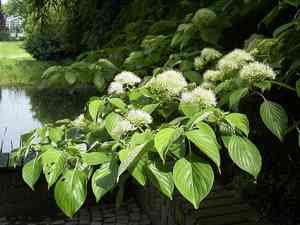
This variety, characterized by its layered, horizontal limbs, is ideally trimmed in the latter part of winter or early spring. For giant dogwood, trimming ought to preserve its inherent form, excising solely deceased, injured, or intersecting branches to improve its framework and well-being. Reducing the density of the crown can facilitate light infiltration and air circulation, fostering development. Restrict pruning to an annual thinning to prevent excessive removal, thereby safeguarding the plant's unique tiered look. This approach maximizes aesthetic appeal and plant robustness, ensuring every cut is purposeful.
Advantages of Trimming Giant Dogwood
Advantages of Trimming Giant Dogwood
Trimming giant dogwood fosters robust development and preserves its structural soundness. Strategic cuts aid in revitalizing the tree, promoting denser foliage and a balanced form crucial for both aesthetic appeal and overall health.
Optimal Period for Trimming Giant Dogwood
Optimal Period for Trimming Giant Dogwood
Late winter and early spring are considered ideal for trimming giant dogwood as these seasons precede the plant's active growth phase. Pruning during late winter, when the plant is dormant, minimizes stress and allows for better wound healing before new growth emerges. Early spring trimming is also suitable as it can help shape the plant and remove any damaged or diseased branches prior to the growing season. These periods are perfect for avoiding the removal of flower buds, which form in summer for the subsequent year's bloom, ensuring the plant's flowering potential remains intact.
Tools Required for Trimming Giant Dogwood
Hand Pruners
For deadheading and shaping giant dogwood, bypass hand pruners ensure clean cuts on smaller stems and branches. Their scissor-like action is less likely to crush plant tissues than anvil-style pruners.
Lopping Shears
To trim thicker branches up to 1.5 inches in diameter, which giant dogwood might develop, lopping shears provide leverage and reach without damaging the bark or branches.
Pruning Saw
For mature giant dogwood specimens with thicker branches over 1.5 inches in diameter, a pruning saw is necessary to cleanly cut through without tearing.
Pole Pruner
Given the potential height of giant dogwood, a pole pruner can be useful for reaching and safely pruning higher branches without the use of a ladder.
Hedge Shears
If shaping hedges or creating a formal appearance, hedge shears can be used to trim and shape the foliage of giant dogwood, though it's important to avoid over-pruning.
How to Trim Giant Dogwood
Clean Tools
Sanitize pruning tools before starting to prevent the spread of disease. A solution of one part bleach to nine parts water can be used to properly disinfect them.
Inspect
Carefully examine giant dogwood for dead or diseased branches. Look for branches with no leaves, obvious signs of decay, or discoloration.
Prune Dead
Using sharp, clean pruning tools, cut dead branches at their point of origin from the main stem, or back to a strong lateral branch. Make clean cuts without leaving stubs.
Prune Diseased
Remove any diseased branches by making cuts at least several inches into healthy wood beyond the point of visible diseased tissue to ensure complete removal.
Dispose
Dispose of all removed dead and diseased material away from giant dogwood to minimize the risk of spreading any pathogens or pests present in the pruned debris.
Common Trimming Errors with Giant Dogwood
Over-Pruning
Removing too much growth at once can stress giant dogwood, stunting its development and potentially leading to poor health. Aim to prune no more than one-quarter of the total growth.
Improper Cuts
Making cuts too far from the bud or in the wrong angle can cause damage to giant dogwood and can lead to disease or pest infestation. Cut just above the buds at a 45-degree angle.
Neglecting Tool Hygiene
Not cleaning pruning tools before use can spread diseases between plants. Sterilize tools before moving to another giant dogwood or different species.
Removing Too Much Older Wood
Giant dogwood flowers on second-year wood. Cutting too much of the old wood can significantly reduce blooming. Only remove older wood that is dead, diseased, or crossing.
Forgetting To Thin
Failure to thin the center of the giant dogwood can lead to a lack of air circulation and light penetration, which may inhibit growth and increase susceptibility to diseases.
General Trimming Advice for Giant Dogwood
Selective Thinning
Thin out crowded branches to increase light penetration and air flow within the canopy of giant dogwood, which encourages healthy growth and a striking tiered structure.
Shape Maintenance
Prune giant dogwood to maintain its natural layered shape. Avoid creating a manicured appearance unless it's being grown as a hedge or for a particular design.
Dead Wood Removal
Regularly inspect and remove any dead, damaged, or diseased wood. This helps to keep giant dogwood healthy and redirects energy to the production of new growth.
Reduction Cuts
If controlling size is necessary, employ reduction cuts to shorten branches. Cut back to a lateral branch that is at least one-third the diameter of the branch being removed.
Aftercare
Post-pruning, make sure giant dogwood is well-watered and mulched to help the plant recover quickly. This is crucial for both healing and revitalized growth.



