How to Prune Pagoda dogwood?
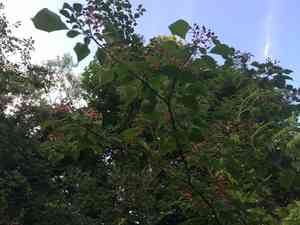
A shedding woody plant recognized for its horizontal boughs and grouped blossoms, pagoda dogwood flourishes with careful trimming. The perfect period for pruning is in late winter or early spring prior to the emergence of new shoots. Reducing older and intersecting branches fosters beneficial air movement and light access. Eliminate as much as one-third of the stems, beginning with the most mature, to stimulate revitalization. Pruning not only preserves pagoda dogwood's appealing structure, but also boosts blooming and general plant robustness.
What Are the Benefits of Pruning Pagoda Dogwood?
What Are the Benefits of Pruning Pagoda Dogwood?
Trimming pagoda dogwood promotes robust development by eliminating old or unhealthy wood, improving air circulation and light penetration. It helps preserve the plant's inherent form, boosting its decorative appeal.
What Is the Best Time for Pruning Pagoda Dogwood?
What Is the Best Time for Pruning Pagoda Dogwood?
Pruning pagoda dogwood from late winter to early spring aligns with its dormant phase and prepares it for the upcoming growth cycle. Trimming at this time minimizes stress and prevents sap loss, which is more prevalent after spring's arrival. It also helps avoid cutting off flower buds, ensuring an attractive bloom. Additionally, the plant's structure is more visible then, allowing for more precise cuts and healthy shaping without leaf obstruction. This timing reduces disease transmission risk, as many pathogens are inactive in colder weather. Trimming before the spring growth flush also encourages a stronger, more vibrant response from pagoda dogwood, promoting healthy foliage, flowers, and fruit for the coming season.
What Tools Do I Need to Prune Pagoda Dogwood?
Hand Pruners
Perfect for making accurate cuts on pagoda dogwood's smaller branches, typically up to 3/4 inches in diameter. They help maintain the plant's structure without causing unnecessary harm.
Loppers
Effective for cutting through thicker branches of pagoda dogwood that hand pruners cannot handle, generally up to 1 1/2 to 2 inches thick. Loppers offer greater leverage and reach, making them suitable for shaping and controlling growth.
Pruning Saw
Essential for pagoda dogwood's mature branches that are too thick for loppers. A pruning saw allows clean cuts on branches over 2 inches in diameter and helps prevent tearing or damage to the plant.
Pole Pruner
Useful for reaching higher branches of pagoda dogwood without needing a ladder. It ensures safety while maintaining the plant's canopy and removing deadwood.
Shears (Optional)
Can be used for shaping the outer foliage of pagoda dogwood, if a more manicured look is desired. Not crucial for the plant's health but may be used for aesthetic purposes.
How to Prune Pagoda Dogwood
Step1: Timing for Pruning
Determine the appropriate time for pruning pagoda dogwood, which is late winter or early spring, before leaf emergence. This timing helps reduce the risk of pruning wounds and encourages vigorous growth in the subsequent season.
Step2: Tool Preparation
Prepare pruning tools. Use sharp, clean pruning shears for smaller branches and a pruning saw for larger limbs. Sterilize tools with alcohol or a bleach solution to prevent disease spread.
Step3: Dead Wood Identification
Inspect pagoda dogwood for dead wood, which often appears dry, brittle, and possibly discolored. Evaluate the overall architecture of pagoda dogwood, looking for branches that do not contribute to its naturally tiered, horizontal structure.
Step4: Removal of Dead Wood
Begin by removing all dead wood. Make cuts at the point of origin or back to a lateral branch or bud facing the desired growth direction. Cut at a slight angle, about a quarter-inch above the bud or branch, being careful not to damage the collar.
Step5: Diseased Wood Detection
Examine pagoda dogwood for diseased wood, indicated by discoloration, unusual growths, or areas with significant insects or other pests. Recognize signs of common pathogens such as fungal spots or cankers.
Step6: Prune Diseased Wood
Prune away diseased wood by cutting well below the affected area. Ensure the cut is made into healthy wood to prevent disease spread. Sterilize your tools after each cut into diseased wood.
Step7: Locate Damaged Branches
Look for damaged branches including those that are broken, split, or harmed by weather, animals, or human activities. These should be carefully removed to prevent further harm to pagoda dogwood.
Step8: Trimming Damaged Branches
Trim damaged branches using the same method as for dead wood, cutting back to a lateral branch, a main stem, or a healthy bud. Ensure final cuts are smooth and clean to promote good healing.
Step9: Shaping the Plant
After pruning for health, assess the overall shape of pagoda dogwood. If additional shaping is needed, selectively thin branches to maintain or improve the tiered form. This should be done conservatively to preserve the natural aesthetics of pagoda dogwood.
Step10: Disposal of Pruning Waste
Dispose of all pruned material properly, by bagging and removing dead, diseased, and damaged wood. Do not compost diseased clippings as they could contaminate the compost with pathogens.
Step11: Post-Pruning Care
After pruning, care for pagoda dogwood by watering adequately, mulching the base to conserve moisture, and applying fertilizer formulated for woody plants, if necessary, to support recovery and growth.
Post-Pruning Care for Pagoda Dogwood
Post-Pruning Care for Pagoda Dogwood
After pruning pagoda dogwood, promptly ensure clean cuts heal with a wound dressing to prevent infection. Position pagoda dogwood in dappled light, maintaining mild humidity and avoiding temperature extremes to reduce stress. Fertilize with a balanced, slow-release formula to bolster growth, but avoid over-fertilization that can stress the recovering plant. Regularly inspect for wilting, discoloration, or pests. At any distress signs, adjust care and consult a horticulturist to prevent further damage.
Common Pruning Mistakes with Pagoda Dogwood
Avoid excessive removal of horizontal layers
Removing too many of the horizontal layers of the pagoda dogwood, which can disrupt its natural tiered growth habit and decrease its ornamental value.
Do not cut older thick branches unnecessarily
Cutting into the older, thicker branches of the pagoda dogwood when not necessary, which can lead to larger wounds that are slow to heal and may invite disease or pests.
Always sterilize tools before pruning
Pruning without sterilizing the tools, which increases the risk of spreading diseases between plants.
Prevent over-pruning and excessive foliage removal
Over-pruning or removing too much foliage at once, stressing the pagoda dogwood and potentially leading to poor health and reduced vigor.
Remove dead, damaged, or diseased wood promptly
Neglecting to remove dead, damaged, or diseased wood, which can hinder new growth and leave the pagoda dogwood vulnerable to further health issues.
Common Pruning Tips for Pagoda Dogwood
Sterilize pruning tools for clean cuts
Use clean, sharp, and sterilized pruning tools to make clean cuts and minimize the risk of disease transmission while pruning the pagoda dogwood.
Cut at a slight angle away from buds
Make cuts at a slight angle, away from the bud, to promote proper healing and direct new growth outward.
Thin interior branches for better air and sun
Thin out the pagoda dogwood's interior branches to increase air circulation and sunlight exposure, which helps promote healthy growth and reduce the incidence of disease.
Preserve horizontal branch pattern, remove vertical suckers
Prune the pagoda dogwood to maintain its characteristic horizontal branching pattern by selectively removing any vertical suckers that may arise from the base or on the branches.
Prune branches at their origin for natural shape
When reducing the height or spread of the pagoda dogwood, remove branches at their point of origin or back to a lateral branch to maintain a natural appearance and prevent stubs that can cause decay.
Maintain strongest branches for structural integrity
Identify and preserve the strongest and healthiest branches as framework branches that define the shape of the pagoda dogwood while promoting a sturdy structure.
Care for pagoda dogwood post-pruning with mulching, watering, feeding
After pruning, provide the pagoda dogwood with appropriate care, such as mulching, watering, and feeding, to support its recovery and encourage robust growth.



