How to Prune Coriander?
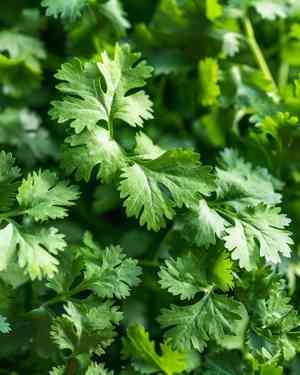
Fragrant and extensively grown, cilantro is recognized for its delicate foliage and seeds utilized in cooking. Trim for denser development by clipping the uppermost leaves, fostering lateral growth. This is ideally performed from early spring through late autumn, bypassing the blooming phase to preserve the herb's potency. Advantages encompass a regulated plant form, enhanced leaf yield, and the deterrence of premature seeding. Employ sanitized, keen scissors to lessen trauma and the potential for illness.
Advantages of Trimming Coriander
What Are the Benefits of Pruning Coriander?
Trimming coriander promotes robust development and helps maintain its form, enabling more efficient garden space utilization. Regular cutting encourages a bushier plant, potentially leading to a greater yield of leaves for culinary purposes.
Optimal Time for Pruning Coriander
What Is the Best Time for Pruning Coriander?
Pruning coriander in early spring helps prepare the plant for vigorous growth during its active season. This timing allows coriander to recover and produce new foliage before it directs energy towards flowering and seed production. Late spring and summer pruning can be used to shape coriander and maintain desired plant size, as well as to harvest leaves for culinary use, which is a continuous trimming method that benefits the plant's health and productivity. Pruning in early fall ensures coriander remains neat and can help prevent disease by removing any parts affected by the end of the growing season. Pruning should cease before winter's arrival to prevent damage to coriander from colder temperatures.
Necessary Tools for Coriander Pruning
Sharp Scissors or Snips
These instruments enable precision when trimming the delicate leaves and stems of coriander. Clean cuts help minimize plant damage, fostering healthy growth and reducing disease risk.
Hand Pruners
For thicker stems, hand pruners provide more cutting power without undue strain on coriander. Ergonomic pruner designs can also lessen hand fatigue for gardeners.
Gloves
Wearing gloves while pruning coriander can safeguard the gardener's hands and ensure a more comfortable gardening experience.
Cleaning Supplies
Having alcohol wipes or a solution to sanitize tools after pruning coriander helps prevent disease transmission between plants.
How to Prune Coriander
Step1: Yellow Leaf Identification
Identify Yellow Leaves - Thoroughly inspect coriander for any yellowing leaves. These are older leaves that may no longer contribute energy to the plant and can be removed to redirect the plant's resources to new growth.
Step2: Pruning Yellow Leaves
Prune Yellow Leaves - Using sharp scissors or pruning shears, snip off the yellow leaves at the stem's base. Ensure a clean cut without tearing to minimize potential damage to coriander.
Step3: Spotting Withered Stems
Identify Withered Stems - Look for stems that have ceased producing leaves, appear brown or dry, and no longer seem viable. These are typically older growths that can be pruned to encourage new growth and improve air circulation.
Step4: Cutting Withered Stems
Prune Withered Stems - Carefully cut the withered stems near the base of coriander, ensuring you do not harm new shoots or the main root system. A clean cut is crucial for the plant's rapid recovery.
Step5: Shaping the Plant
Shaping coriander - After removing yellow leaves and withered stems, step back and evaluate the overall shape of coriander. If necessary, lightly trim any uneven areas to maintain a bushy and well-formed appearance.
Step6: Post-Pruning Cleanup
Clean Up - Dispose of the removed plant material away from coriander to prevent potential disease or pest issues. This also helps maintain a clean growing environment for coriander.
Step7: Monitoring Plant Post-Prune
Monitor Plant Health - Over the next few days, observe coriander for signs of pruning stress. Ensure coriander receives adequate water, but avoid overwatering, and provide it with ample sunlight.
Step8: Scheduled Pruning Maintenance
Repeat Pruning as Necessary - Regular monitoring of coriander will help you determine when additional pruning is required. Typically, pruning can be performed every few weeks or as needed to keep coriander healthy and productive.
Post-Pruning Care for Coriander
Post-Pruning Care for Coriander
Immediately after pruning coriander, water sparingly to reduce stress, ensuring well-draining soil to prevent root rot. Maintain a moderate environment with sufficient light but avoid direct, intense sunlight. Adjust humidity to moderate levels. Apply a balanced, slow-release fertilizer to replenish nutrients and aid recovery. Monitor coriander for discoloration or wilting as signs of distress. If infection symptoms appear, such as unusual spots or decay, treat promptly with appropriate fungicides or bactericides.
Common Pruning Errors with Coriander
Confusing Flowering and Leafy Stems
A common error is failing to distinguish between leafy and flowering stems, which can lead to the removal of stems that would produce flowers and seeds.
Over-Pruning Sensitive Plants
Another mistake is excessive pruning, which can shock the plant and impede its growth, as coriander is susceptible to extensive cutting.
Pruning with Dull or Dirty Tools
Neglecting to use clean, sharp tools for pruning can result in disease transmission and jagged cuts that compromise the plant's health.
General Pruning Advice for Coriander
Thinning Over Topping for Light and Air
When pruning, prioritize thinning over topping. Remove only the outermost stems to allow for light penetration and air circulation without drastically reducing the plant's size.
Gentle Foliage Harvesting
Regularly harvest leaves by snipping them at the base to encourage new growth, but be gentle and avoid taking more than one-third of the foliage at a time.
Early Flower Head Removal to Boost Leaves
Snip off any emerging flower heads early if the goal is to extend leaf production, as allowing coriander to flower can cause the leaves to lose their desired flavor.



