How to Prune Whorled tickseed?
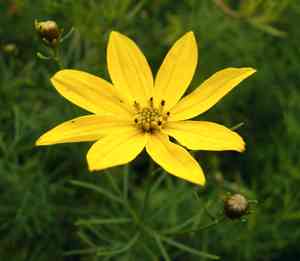
Distinguished by its vibrant, daisy-esque blossoms and delicate, needle-like leaves, whorled tickseed flourishes with appropriate trimming. Routinely remove spent flowers to stimulate further blooming. Following the initial frost, trim the plant down to soil level to foster robust growth in the spring. Perform pruning in early spring or late autumn, steering clear of winter to safeguard against frost harm. Trimming controls dimensions, encourages fresh development, and averts excessive density, thereby boosting plant vitality and floral output.
What Are the Benefits of Pruning Whorled Tickseed?
What Are the Benefits of Pruning Whorled Tickseed?
Trimming whorled tickseed promotes abundant flowering, stimulates new development, and maintains a tidy, compact shape. It's crucial for preserving whorled tickseed's vitality and structural soundness.
What Is the Best Time for Pruning Whorled Tickseed?
What Is the Best Time for Pruning Whorled Tickseed?
Pruning whorled tickseed in early spring coincides with the end of its dormant phase, fostering strong growth and plentiful blooms during the upcoming season. This allows gardeners to remove dead or damaged stems before new growth emerges, ensuring the plant's energy is directed towards producing healthy, robust shoots and flowers. Late autumn is also suitable for trimming whorled tickseed once flowering has ceased, as it prepares the plant for winter by removing spent blossoms and any diseased or excess growth, improving air circulation and reducing potential disease issues. This also helps maintain a desired form and size, contributing to the overall health and aesthetic appeal of whorled tickseed. It is essential to avoid pruning during the flowering period, as this could diminish the floral display and remove developing seed heads that provide sustenance for wildlife.
What Tools Do I Need to Prune Whorled Tickseed?
Hand pruners
Crucial for making precise cuts on individual stems; whorled tickseed's delicate nature rarely necessitates heavy machinery.
Bypass pruners
Ideal for making clean cuts without harming whorled tickseed's tender stems; the scissor-like action is perfect for green, living plant material.
Pruning shears
Suitable for shaping whorled tickseed and removing faded flowers. These offer superior control for deadheading, which is key for encouraging continuous blooming.
Garden gloves
Important for protecting your hands from scrapes and for a better grip when handling the plant.
Gardening scissors
Can be utilized for light trimming of whorled tickseed when deadheading or shaping smaller sections of the plant for aesthetic purposes.
Long-handled loppers
Helpful if whorled tickseed has grown large and you need to reach into the center or back of the plant for pruning without harming nearby plants.
How to Prune Whorled Tickseed
Step1: Identifying Dead Flowers
Locate dead flowers on whorled tickseed at the stem tips. Look for blooms that have lost their color and appear dry or withered.
Step2: Preparing Pruning Tools
Use clean, sharp pruning shears or scissors. Sanitize the blades before use with rubbing alcohol or a household disinfectant to prevent disease transmission.
Step3: Deadheading for Regrowth
Remove spent flowers by cutting just above the next leaf nodes or buds. This will encourage whorled tickseed to produce new blooms and maintain a neat appearance.
Step4: Inspecting for Stem Damage
Examine whorled tickseed for damaged stems. Look for any stems that are broken, diseased, or have been negatively affected by weather or pests.
Step5: Pruning Damaged Stems
Trim the damaged stems by cutting them back to a healthy part of the plant. Cut at a 45-degree angle, just above a set of leaves or a lateral branch.
Step6: Making Clean Cuts
Ensure all cuts are clean and precise to prevent unnecessary harm to whorled tickseed and to promote rapid healing.
Step7: Shaping the Plant
Shape whorled tickseed as needed after removing dead flowers and damaged stems. Aim for a balanced, natural growth habit without over-pruning.
Step8: Disposal of Pruned Material
Discard or compost all removed plant material to keep the area tidy and to prevent potential disease or pest problems.
Step9: Post-pruning Watering
Water whorled tickseed sufficiently after pruning to aid its recovery and establish new growth.
Step10: Monitoring and Repeat Deadheading
Monitor whorled tickseed for new growth and repeat the deadheading process periodically during the blooming season to extend flowering.
Post-Pruning Care for Whorled Tickseed
Post-Pruning Care for Whorled Tickseed
Immediately after trimming whorled tickseed, ensure ample sunlight as it thrives in full to partial light. Maintain moderate humidity and avoid excessive moisture to prevent rot. In post-pruning recovery, water whorled tickseed adequately without overwatering. Apply a balanced fertilizer to encourage vigorous growth. Monitor the plant for wilting or discolored leaves indicating stress. Inspect cuts for signs of infection, treating with fungicides if necessary. Regularly check for new growth as a sign of healthy recovery.
Common Pruning Mistakes with Whorled Tickseed
Failing to Deadhead Reduces Blooms
Neglecting to remove faded flowers can lead to a decrease in bloom production for whorled tickseed. Deadheading should be performed regularly to encourage continuous flowering.
Excessive Pruning Stresses Plants
Cutting back whorled tickseed too severely can stress the plant and result in fewer blooms. Prune only the necessary amount to shape the plant and remove any dead or diseased stems.
Ignoring Weak Growth Affects Health
Overlooking the removal of weak or crowded growth can lead to poor air circulation and light penetration, potentially increasing the susceptibility of whorled tickseed to pests and diseases.
Common Pruning Tips for Whorled Tickseed
Prune with Clean, Sharp Shears
Use clean, sharp shears when pruning whorled tickseed to ensure precise cuts and reduce the risk of infection.
Encourage Growth by Deadheading
Regularly remove spent blooms by snipping them off at the base of the flower stem to promote more vigorous growth and enhance the appearance of whorled tickseed.
Thin Stems to Boost Air and Light
Thin out dense growth by cutting back some of the stems to ground level to increase air circulation and light access, which contributes to the overall health of whorled tickseed.



