How to Prune Plains coreopsis?
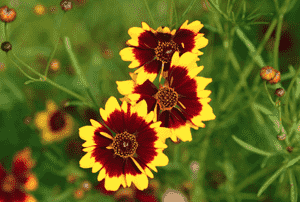
This lively perennial, known for its daisy-like blossoms, plains coreopsis flourishes with consistent trimming. Remove faded flowers to encourage ongoing blooming and sustain the plant's vitality. Trim stems in early spring to foster a denser growth habit. During periods of active development, usually from early spring through late autumn, reduce the plant's height by up to one-third to refine its form and bolster abundant flowering. An additional advantage of pruning is the prevention of unwanted self-propagation.
What Are the Benefits of Pruning Plains Coreopsis?
What Are the Benefits of Pruning Plains Coreopsis?
Trimming plains coreopsis promotes robust development, ensuring a strong structure. Timely cutting back maintains the plant's form and size, enhancing its visual appeal and improving air circulation, which can decrease the likelihood of illness.
What Is the Best Time for Pruning Plains Coreopsis?
What Is the Best Time for Pruning Plains Coreopsis?
Early spring is ideal for pruning plains coreopsis as the plant emerges from dormancy, stimulating vigorous growth. Pruning at this time can encourage a denser growth habit and boost flowering. Since plains coreopsis blooms from summer to early fall, post-bloom trimming can benefit plant health and appearance, removing faded flowers to stimulate further blooming and to prevent unwanted self-seeding. Late fall is also suitable for removing any dead or damaged foliage, preparing plains coreopsis for winter while reducing disease and pest risks. These seasons ensure the plant maintains vitality and produces abundant blooms during its active growth cycle.
What Tools Do I Need to Prune Plains Coreopsis?
Hand Pruners
Plains coreopsis is a relatively delicate plant with slender stems, making hand pruners the perfect tool for clean cuts without harming the plant's structure. They allow for precise control, essential for thinning and shaping plains coreopsis.
Snips
For deadheading plains coreopsis or for detailed work like thinning out small, crowded areas, snips or micro-tip pruners are excellent. They enable more meticulous tasks, minimizing damage to nearby flower buds or foliage.
Pruning Shears
Pruning shears are useful for cutting back plains coreopsis at the season's end or for removing larger sections of the plant. They are designed to handle stems and branches of various thicknesses, making them versatile for plains coreopsis's diverse needs.
Gloves
While not a pruning tool itself, gloves protect the gardener's hands from sharp edges and plant saps. Given the relatively non-toxic nature of plains coreopsis, gloves also keep hands clean and prevent any potential skin irritation.
Cleaning Cloth and Disinfectant
Before and after pruning plains coreopsis, it's crucial to clean and disinfect tools to prevent disease spread. A clean cloth and rubbing alcohol or bleach solution should be used to wipe down the blades.
How to Prune Plains Coreopsis
Step1: Identifying Dead Blossoms
Locate the dead or faded flowers on plains coreopsis. These will typically be blooms that are brown, shriveled, and no longer vibrant in color.
Step2: Deadheading with Shears
Using clean, sharp pruning shears, snip off the dead flowers at the base of their stems. Make the cut just above the first set of healthy leaves to encourage new blooms.
Step3: Locating Overgrown Stems
Find overgrown stems that disrupt the shape of plains coreopsis or are significantly taller than the rest of the plant. Overgrown stems may also be leggy with sparse leaves, indicating insufficient sunlight.
Step4: Pruning for Shape and Health
Trim the overgrown stems back to the desired height or shape. Cut these stems at a 45-degree angle just above a leaf node or a branching point to promote bushier growth.
Step5: Removing Damaged Stems
After pruning for deadheading and shaping, inspect plains coreopsis for any remaining dead, damaged, or diseased stems and remove those as well.
Step6: Disposing of Plant Debris
Discard all removed plant material in your compost or trash to prevent the spread of any potential plant diseases.
Step7: Watering Post-Pruning
Water plains coreopsis after pruning to help alleviate stress on the plant and allow it to recover more quickly.
Step8: Applying Mulch
Apply a layer of mulch around plains coreopsis to maintain soil moisture and temperature, which is beneficial after pruning.
Step9: Monitoring and Maintenance
Monitor plains coreopsis over the following weeks for new growth and additional pruning needs. Repeat the pruning process as necessary to maintain the health and appearance of plains coreopsis.
Post-Pruning Care for Plains Coreopsis
Post-Pruning Care for Plains Coreopsis
Immediately after pruning plains coreopsis, water the plant thoroughly to reduce stress. Provide ample sunlight but avoid overly intense midday rays which can stress pruned areas. Maintain ambient humidity and a stable temperature to promote recovery. Apply a balanced, gentle fertilizer to support new growth. Regularly inspect plains coreopsis for signs of stress, such as wilting or discolored leaves, and for infection indicators, like unusual spots or pests. If symptoms are present, adjust care conditions and seek guidance for potential treatments.
Common Pruning Mistakes with Plains Coreopsis
Over-pruning in single session
Trimming too much at once, which can stress plains coreopsis and deplete its resources for healthy growth and blooms.
Use of blunt or dirty pruning tools
Employing dull or unclean tools, which can result in jagged cuts and heighten the risk of disease for plains coreopsis.
Incorrectly pruning healthy rather than spent blooms
Cutting healthy blooms instead of only the faded flowers, thereby inadvertently diminishing the flowering potential of plains coreopsis.
Neglecting dead or diseased stems
Ignoring dead or diseased stems during pruning, which can lead to further plant health issues for plains coreopsis.
Improper pruning disregarding plant's natural shape
Not considering the shape and natural habit of plains coreopsis when pruning, which can result in an unnatural or unattractive plant form.
Common Pruning Tips for Plains Coreopsis
Using sharp, clean tools for precise cuts
Utilize sharp, clean pruning tools to make precise cuts on plains coreopsis without damaging the plant tissue.
Removing only dead or fading flowers for more blooms
Focus on removing only the dead or fading flowers to encourage more blooming in plains coreopsis.
Pruning above leaves or side stems for bushier growth
Cut back to just above a set of leaves or side stem to promote bushier growth and more flowers on plains coreopsis.
Regular deadheading for appearance and flowering
Regularly remove spent blooms to maintain the appearance and encourage continuous flowering of plains coreopsis.
Pruning diseased areas promptly to prevent spread
Examine plains coreopsis for any signs of disease or pest damage and trim affected areas promptly to prevent spread.



