How to Prune Lance-leaved coreopsis?
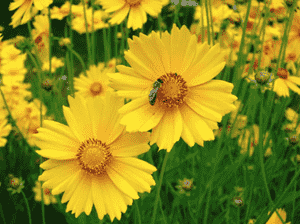
Originating from North America, Coreopsis lanceolata is recognized for its vibrant yellow blossoms and resilience. To foster vigorous development and flowering, consistently remove faded blooms, a practice termed deadheading. Perform a substantial trim in early spring to promote a denser form. Minor shaping throughout the cultivation period improves both appearance and vitality. The most effective pruning window spans from early spring through late autumn. Advantages encompass amplified floral production and the deterrence of self-propagation, contributing to a neat garden presentation.
What Are the Benefits of Pruning Lance-leaved Coreopsis?
What Are the Benefits of Pruning Lance-leaved Coreopsis?
Trimming lance-leaved coreopsis promotes more robust development, resulting in an abundance of blooms. It assists in preserving the desired form and dimensions, ensuring a neat, visually appealing look.
What Is the Best Time for Pruning Lance-leaved Coreopsis?
What Is the Best Time for Pruning Lance-leaved Coreopsis?
In early spring, trimming lance-leaved coreopsis before new growth starts ensures the plant's energy is directed towards developing healthy shoots, leading to vigorous spring growth. Summer pruning after the initial bloom removes faded flowers and can stimulate lance-leaved coreopsis to produce a second flowering cycle, thereby enhancing its decorative value. Late fall pruning is beneficial for removing old or dead foliage, which lowers disease risk and tidies the plant in preparation for winter. These specific periods align with lance-leaved coreopsis's growth cycle and optimize its health and blooming potential.
What Tools Do I Need to Prune Lance-leaved Coreopsis?
Bypass Pruners
Perfect for making precise cuts on the relatively slender stems of lance-leaved coreopsis without crushing plant tissue, which encourages healthier regrowth.
Garden Shears
Useful for shaping and maintaining the structure of lance-leaved coreopsis, especially when dealing with multiple stems that require a uniform cut.
Hand Gloves
Protects the gardener's hands from thorns and potential skin irritants while trimming lance-leaved coreopsis.
Pruning Saw
Generally not required for lance-leaved coreopsis due to its fine stems, but can be used for older or woodier growth if necessary.
Cleaning Solution
Helps prevent the spread of disease by sterilizing tools before and after use on lance-leaved coreopsis.
How to Prune Lance-leaved Coreopsis
Step1: Sanitize Pruning Tools
Disinfect your pruning shears or scissors before starting to prevent the spread of disease. Wipe the blades with a cloth soaked in isopropyl alcohol or a bleach solution.
Step2: Deadheading Spent Blooms
Begin with faded flowers, also known as deadheading. Using your pruning shears, snip off each dead flower at its base, just above the first set of healthy leaves. This encourages lance-leaved coreopsis to produce more blooms and extends the flowering season.
Step3: Remove Yellow Leaves
Inspect lance-leaved coreopsis for yellow leaves, which can indicate age, disease, or water stress. Carefully remove yellow leaves by either gently pulling them off if they detach easily, or using your pruning shears to cut them as close to the main stem as possible without causing damage.
Step4: Prune Withered Stems
Trim the withered stems to revitalize lance-leaved coreopsis. Locate stems that are brown and dried out. Cut these stems back to ground level or to the base of the plant. Make clean cuts to avoid tearing the stems, which might injure the plant.
Step5: Shape Plant and Trim Overgrowth
After removing the unwanted parts, shape lance-leaved coreopsis as needed for aesthetic or spatial considerations. Lightly trim overgrown areas, focusing on maintaining a natural shape for the plant. Clip longer stems to encourage bushier growth and a more compact habit.
Step6: Dispose of Pruning Debris
Properly dispose of the removed plant material, ideally in a compost pile unless they show signs of disease. In the case of diseased material, dispose of them with your household waste to prevent the spread of pathogens in your garden.
Step7: Water and Fertilize Post-Pruning
Water the plant if the soil feels dry after pruning, and apply a balanced fertilizer to provide nutrients and encourage healthy regrowth.
Step8: Clean and Store Pruning Tools
Clean your tools again after you finish to keep them sharp and prevent disease transmission in the future. Store your pruning tools in a dry place to minimize rust and corrosion.
Post-Pruning Care for Lance-leaved Coreopsis
Post-Pruning Care for Lance-leaved Coreopsis
Immediately after trimming lance-leaved coreopsis, water thoroughly to reduce stress. Ensure lance-leaved coreopsis receives full sun exposure to promote vigorous growth. Maintain moderate humidity and avoid extreme temperatures. Apply a balanced fertilizer to support new foliage and flower production. Monitor lance-leaved coreopsis for wilting, discoloration, or pest activity, signaling potential stress or infection. If signs occur, adjust care and consult with a plant pathology expert for guidance.
Common Pruning Mistakes with Lance-leaved Coreopsis
Avoid Over-pruning for Better Flowering
Excessive pruning, which can lead to reduced flowering and vigor, as lance-leaved coreopsis requires only light trimming to remove spent flowers and shape the plant.
Don't Cut Too Close to Main Stem or Crown
Cutting too near the main stem or crown, which may hinder the plant's ability to produce new growth points and affect its natural shape.
Remove Dead or Diseased Stems Promptly
Failing to remove dead or diseased stems, which can prevent the plant from producing new, healthy growth and may lead to further disease issues.
Common Pruning Tips for Lance-leaved Coreopsis
Deadhead Regularly to Encourage Blooming
Regularly deadhead lance-leaved coreopsis to encourage continuous blooming and prevent self-seeding if not desired. This involves snipping off the faded flowers just above the first set of healthy leaves.
Light Shaping After First Flower Flush
Perform a light shaping of lance-leaved coreopsis after the initial flush of flowers fades. This helps to maintain an attractive plant form and promotes a second round of blossoms.
Use Clean, Sharp Tools for Pruning
Utilize clean, sharp pruning tools for cutting to prevent damage to the plant tissues, which can lead to disease.



