How to Prune Large-flowered tickseed?
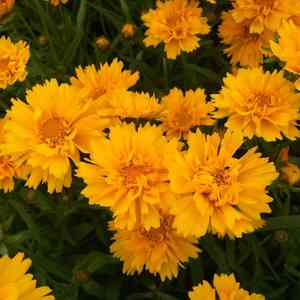
A consistently popular choice due to its vivid, daisy-shaped blossoms, large-flowered tickseed flourishes with consistent trimming. Removing faded flowers encourages ongoing blooming and deters self-propagation. After the initial flowering period, shorten stems to a leaf joint or the base leaves to stimulate a subsequent bloom. For peak vitality, perform pruning in early spring to eliminate any deceased or compromised growth. A gentle revitalization in late autumn can aid in preserving its form, but refrain from extensive cutting to safeguard the plant's base during the colder months. Advantages of pruning encompass enhanced air movement and defense against ailments.
Advantages of Trimming Large-flowered Tickseed
Advantages of Trimming Large-flowered Tickseed
Trimming large-flowered tickseed promotes more vibrant blossoms, ensuring the plant thrives with vitality. Regular cutting back helps maintain a desired shape and size, which can enhance the garden's aesthetic appeal.
Optimal Timing for Pruning Large-flowered Tickseed
Optimal Timing for Pruning Large-flowered Tickseed
Pruning large-flowered tickseed in early spring is beneficial as it allows for the removal of any winter damage before new growth begins. This timing also allows the plant to quickly recover and utilize the growing season to produce ample blooms. Late fall is also optimal for lighter pruning. It helps large-flowered tickseed maintain a desirable shape and size, preventing any unnecessary energy expenditure on growth that may not survive winter. Avoiding pruning during summer and early fall ensures that large-flowered tickseed can complete its flowering cycle and seed production, which is crucial for its growth cycle and health.
Essential Tools for Pruning Large-flowered Tickseed
Hand Pruners
Perfect for snipping flowers and slender stems on large-flowered tickseed. They provide a clean cut that encourages healthy regrowth.
Bypass Pruners
Ideal for making precise cuts on large-flowered tickseed. Their scissor-like action allows for neat trimming without harming the plant.
Pruning Shears
Useful for shaping large-flowered tickseed and managing its spread. Their sharper blades can easily handle thicker stems.
Gardening Gloves
To shield hands from thorns and sap during the pruning of large-flowered tickseed.
Garden Scissors
For deadheading large-flowered tickseed and removing spent flowers, which stimulates more blooms.
How to Prune Large-flowered Tickseed
Step1: Optimal Pruning Time
Start pruning 'large-flowered tickseed' in late winter or early spring before new growth emerges. This timing allows you to shape the plant and remove any dead or damaged material from the previous season.
Step2: Deadheading for Reblooming
Using clean, sharp pruning shears, begin by removing any dead flowers. Snip these spent blooms just above the node where they attach to the stem. This practice, known as deadheading, encourages more blooms and prevents the plant from using energy to produce seeds.
Step3: Trimming Wilted and Damaged Stems
Identify any wilted or damaged stems on 'large-flowered tickseed'. Cut these stems back to the ground, or to a strong set of leaves if only part of the stem is affected. This will help direct the plantâs energy to healthier growth and maintain a tidier appearance.
Step4: Leaf Removal for Plant Health
Search for any brown or dry leaves and remove them by snipping at their base where they meet the stem or branch. Removing these leaves improves air circulation and reduces the likelihood of disease.
Step5: Thinning for Air Circulation
Thin out crowded areas of 'large-flowered tickseed' to maintain good air circulation. This helps prevent disease issues in humid climates. Cut selected stems back to their base, being careful not to remove more than one-third of the plant's overall growth.
Step6: Natural Shaping Technique
Shape 'large-flowered tickseed' by trimming stems to different lengths to create a natural, rounded shape. Avoid shearing the plant into a tight geometric form, as this can diminish its natural beauty and reduce flowering.
Step7: Tool Disinfection Post-Pruning
After pruning, clean your tools with rubbing alcohol to prevent the spread of disease to other plants.
Step8: Fertilization After Pruning
Finish by applying a balanced, slow-release fertilizer around the base of 'large-flowered tickseed' to support healthy new growth after pruning.
Post-Pruning Care for Large-flowered Tickseed
Post-Pruning Care for Large-flowered Tickseed
Immediately after pruning large-flowered tickseed, water thoroughly to aid recovery. Provide full sun, maintaining a consistent temperature between 60-75°F, and moderate humidity. Apply a balanced, slow-release fertilizer to nourish large-flowered tickseed and encourage robust regrowth. Monitor regularly for wilted leaves or discoloration, signs of stress or infection, and address promptly by adjusting care or consulting a plant health specialist. Stay vigilant with these steps to ensure large-flowered tickseed's healthy rejuvenation.
Common Pruning Mistakes with Large-flowered Tickseed
Over-pruning can lead to weak growth
Pruning large-flowered tickseed back too severely can stress the plant and may lead to weaker growth or reduced flowering. Aim to remove only what's necessary for shaping and deadheading.
Use clean, sharp tools to avoid damage and disease
Using dull or dirty pruning tools can damage the stems of large-flowered tickseed and introduce diseases. Always use clean, sharp tools for clean cuts.
Remove dead stems to prevent crowding and disease
Neglecting to remove dead or weak stems can result in a crowded and unhealthy plant. Regularly thin out large-flowered tickseed to maintain good air circulation and overall plant health.
Common Pruning Tips for Large-flowered Tickseed
Deadhead spent blooms to encourage further flowering
Deadhead large-flowered tickseed by removing spent flower heads throughout the blooming season to encourage continuous flowering and prevent self-seeding if not desired.
Thin out to improve air circulation and disease resistance
Thin out crowded areas by cutting back some of the stems to the base to promote better air circulation and reduce the risk of fungal diseases.
Prune after blooming for second bloom wave and shape
After the initial blooming period, cut back large-flowered tickseed to about half its height to promote a second wave of blooms and to maintain a more compact, bushy shape.



