How to Prune Ti plant?
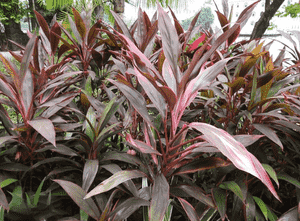
This evergreen from the tropics is valued for its vivid leaves and impressive size. For ti plant, trim any yellowed or lifeless foliage near the soil line. Shorten elongated stems to foster denser development, preferably in the colder months when growth diminishes. Detach spent flower spikes once blossoms wilt to preserve the plant's vigor. Trimming also allows for managing elevation and form, leading to a more robust, aesthetically pleasing specimen. Sanitized tools prevent illnesses, which is crucial for the delicate ti plant. This procedure improves light exposure and revitalization.
What Are the Benefits of Pruning Ti Plant?
What Are the Benefits of Pruning Ti Plant?
Trimming ti plant encourages robust development and maintains its shape. Removing old or overgrown foliage promotes a fuller, healthier structure, enhancing light exposure and air circulation, crucial for ti plant's vigor.
What Is the Best Time for Pruning Ti Plant?
What Is the Best Time for Pruning Ti Plant?
Winter is considered ideal because ti plant's growth rate decreases during this period. This dormant phase minimizes plant stress, reduces disease infection risk from pruning wounds, and stimulates strong spring growth. Additionally, the absence of leaves in some varieties during winter offers better visibility to assess the plant's structure and effectively remove damaged or diseased growth.
What Tools Do I Need to Prune Ti Plant?
Sharp Bypass Pruners
Perfect for making clean cuts on ti plant, which aids in better healing and lowers disease risk. Sharp bypass pruners can cut through the plant's relatively soft stems without crushing them.
Long-Handled Loppers
Useful for reaching higher stems of ti plant without needing a ladder. The leverage from long handles makes cutting thicker canes easier.
Pruning Saw
A pruning saw might be necessary for removing any woody, thick stems or branches that bypass pruners or loppers cannot handle. It's important to use a sharp, clean saw to avoid tearing plant tissue.
Gloves
Wearing gloves is essential to protect hands from ti plant's sometimes spiky leaves and to ensure a firm grip on pruning tools.
Disinfectant
Cleaning tools with a disinfectant before and after pruning ti plant is vital to prevent the spread of pests and diseases between plants.
How to Prune Ti Plant
Step1: Inspect Plant and Identify Pruning Areas
Thoroughly examine ti plant to pinpoint areas needing pruning – dead leaves, withered branches, and brown leaves. Ensure you choose the correct time of year for pruning, ideally in spring or early summer when the plant is actively growing.
Step2: Sanitize Pruning Tools
Sanitize your pruning tools before beginning. Use rubbing alcohol or a 10% bleach solution to clean the blades of your pruners to prevent disease transmission.
Step3: Remove Dead Leaves
Wear gardening gloves to protect your hands and begin with dead leaves. Carefully snip each dead leaf near its base where it emerges from the stem, using clean, sharp scissors or hand pruners.
Step4: Cut Withered Branches Correctly
Address withered branches by locating the point where healthy tissue begins. Cut the branch at a 45-degree angle, approximately 1/4 inch above a node or a lateral branch, to encourage new growth.
Step5: Trim Brown Leaves
To remove brown leaves, use the same method as with dead leaves, cutting close to the base without harming the main stem. Differentiate between entirely brown leaves and those with only brown tips. For tip browning, you can simply trim the browned edges, following the leaf's natural shape.
Step6: Shape Plant Post-Pruning
After pruning damaged parts, assess the overall shape of ti plant. If further shaping is desired, you can cut branches back to a preferred height, ensuring cuts are made just above a node to promote healthy regrowth.
Step7: Dispose of Pruning Debris Properly
Discard all pruning debris in a compost bin if the plant material is disease-free. If there are signs of pests or diseases, dispose of the plant material with household garbage to avoid spreading issues to other garden areas.
Step8: Clean Tools and Gardening Gloves
Clean your tools again after completing the pruning process, and wash your gloves if they are reusable. This will help maintain tool longevity and prevent cross-contamination.
Step9: Water Plant and Fertilize After Pruning
Water ti plant sufficiently after pruning to help alleviate stress and support recovery. A balanced fertilizer can be applied after pruning to provide additional nutrients for new growth.
Post-Pruning Care for Ti Plant
Post-Pruning Care for Ti Plant
Immediately after pruning ti plant, ensure a clean, humid environment to prevent stress. Position ti plant in indirect light, maintaining temperatures around 65-80°F. Adjust humidity above 50% to aid recovery. Fertilize with a balanced, diluted solution once new growth appears. Regularly inspect pruned areas for infection or pests. If discoloration or wilting occurs, treat with appropriate fungicides or pest control. Keep soil moist, but avoid overwatering to prevent root rot.
Common Pruning Mistakes with Ti Plant
Over-Pruning Shock
Removing too much at once, which can shock ti plant and hinder its development.
Improper Tool Usage
Using dull or dirty pruning tools, leading to ragged cuts and increasing disease risk.
Excessive Healthy Tissue Removal
Not just removing necessary parts of ti plant, such as damaged leaves or weak growth, but instead cutting back healthy tissue excessively.
Common Pruning Tips for Ti Plant
Precise Cuts with Clean Tools
Use sharp, clean shears to make accurate cuts on ti plant, which will help prevent infection and promote rapid healing.
Pruning Above Nodes for Growth
When trimming ti plant, aim to cut just above the node where leaves emerge to encourage branching and new growth.
Selective Thinning for Aesthetics and Air Flow
To maintain the aesthetic form of ti plant and promote air circulation, selectively prune crowded areas by thinning out dense clumps.



