How to Prune Cabbage tree?
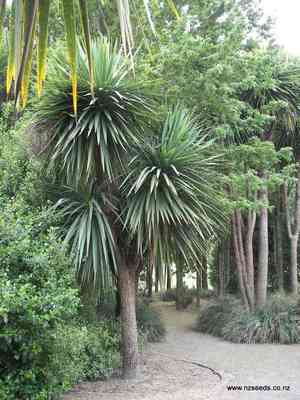
Distinguished by its elevated, narrow form and elongated, blade-like foliage, the cabbage tree flourishes with little upkeep. Remove withered or injured leaves at their base to preserve its look and well-being. The most favorable times for trimming are in early spring or during winter to stimulate development. When cutting, make certain the incisions are clean to avert illness, and take into account the plant's inherent structure. Trimming improves air movement and light exposure, which are vital for the cabbage tree's vigor.
What Are the Benefits of Pruning Cabbage Tree?
What Are the Benefits of Pruning Cabbage Tree?
Trimming cabbage tree promotes abundant blooming while strengthening its resistance to harmful insects and illnesses, which is vital for a robust and attractive specimen.
What Is the Best Time for Pruning Cabbage Tree?
What Is the Best Time for Pruning Cabbage Tree?
Early spring is an optimal time for pruning cabbage tree, coinciding with the end of its dormant phase and just before the start of its active growth. Pruning at this point stimulates new development and allows the plant to recover from cuts before the full growing season. Winter can also be suitable for pruning, especially for upkeep and shaping, as the plant's growth slows, reducing stress on cabbage tree when it's inactive. Avoiding pruning during peak growth and flowering periods ensures the plant's energy isn't diverted from essential growth and reproductive functions, thereby supporting cabbage tree's health and vitality.
What Tools Do I Need to Prune Cabbage Tree?
Sharp, Clean Secateurs
Hand pruners are perfect for cutting the thinner stems and foliage of cabbage tree. Their sharp blades ensure precise cuts, aiding in better healing of trimmed areas.
Long-Handled Loppers
For branches and stems too thick for secateurs, loppers with extended handles offer increased leverage and reach, enabling a cleaner cut without harming the plant.
Pruning Saw
For mature cabbage tree with thicker branches, a pruning saw is essential. Its serrated blade is designed to cut through the woodier parts of the plant.
Gardening Gloves
Wearing gloves is crucial to protect hands from sharp leaves and potential sap, which may cause skin irritation.
Telescopic Pole Pruner
For higher branches, a telescopic pole pruner allows gardeners to trim without needing a ladder, making it safer and more convenient.
How to Prune Cabbage Tree
Step1: Identify and Remove Dead Leaves
Examine cabbage tree for dead leaves, identifiable by their brown, brittle texture. Removing dead leaves is important for appearance and to prevent disease and pests from targeting weakened plant tissues.
Step2: Prepare and Sterilize Pruning Shears
Wear gloves to protect your hands and use sharp, clean pruning shears. Disinfect your shears with rubbing alcohol or a 10% bleach solution to prevent disease transmission.
Step3: Hand-Pull Loosely Attached Dead Leaves
Starting at the base of cabbage tree, gently pull off any loose, dead leaves by hand. If they don't detach easily, cut them at the point where they meet the main stem, being careful not to damage living tissue.
Step4: Detect and Cut Away Diseased Stems
Inspect cabbage tree for diseased stems, recognized by discoloration, unusual growth patterns, or a slimy feel. These should be removed promptly to stop disease spread.
Step5: Prune Diseased Stems to Healthy Tissue
Separate diseased stems from healthy ones and trim them back to a point of healthy tissue. Cuts should be angled to allow water runoff and reduce further disease risk.
Step6: Check and Remove Dead Branches
For brown branches, determine if they are live wood by gently scraping the bark to check for green tissue. If the branch is dead, it should be removed to conserve cabbage tree's energy for healthy growth.
Step7: Prune Brown Branches Above Live Nodes
Locate a spot on the brown branch just above a node where the bark is green, or just above the main trunk if no live nodes are present. Make your cut here, at a 45-degree angle, to encourage healing.
Step8: Clear Pruned Debris to Prevent Pests
After pruning, clear all removed material from the base of cabbage tree to deter pests and diseases. Dispose of diseased material separately to avoid contaminating compost or other plants.
Step9: Monitor Plant for Post-Pruning Growth
Observe cabbage tree after pruning for signs of new growth. Pruning can stimulate fresh development, so ensure cabbage tree receives adequate water, nutrients, and, depending on the season, may need frost protection.
Step10: Prune Sparingly to Avoid Stressing the Plant
Finally, do not prune cabbage tree too heavily at once. A good guideline is to remove no more than one-third of the plant in a single pruning session to prevent plant stress and shock.
Post-Pruning Care for Cabbage Tree
Post-Pruning Care for Cabbage Tree
After trimming cabbage tree, ensure immediate post-pruning care by cleaning cuts with a sterilized tool to prevent infection. Position cabbage tree to receive appropriate light, not too intense, maintaining stable temperatures and humidity to reduce stress. Apply a balanced fertilizer to support new growth, being careful not to over-fertilize. Regularly inspect cabbage tree for signs of stress, such as wilted leaves or discoloration, and for any infections at the pruning sites. If symptoms appear, treat promptly with an appropriate fungicide or pesticide.
Common Pruning Mistakes with Cabbage Tree
Avoid Severe Pruning to Prevent Shock
Pruning cabbage tree too drastically can shock the plant, as it does not tolerate heavy reduction well, potentially leading to poor health or death.
Do Not Mistakenly Snip Growing Tips
Accidentally cutting the growing tips of cabbage tree in an attempt to encourage branching, which can have the opposite effect and halt the vertical growth cabbage tree is known for.
Use Sharp and Clean Pruning Tools
Using dull or unclean pruning tools when trimming cabbage tree, which can create jagged cuts susceptible to infection and disease.
Do Not Remove Too Much Foliage at Once
Removing excessive foliage in one goâcabbage tree should not have more than one-third of its living parts removed in a single pruning session.
Regularly Remove Dead or Damaged Leaves
Neglecting to regularly remove dead or damaged leaves, leading to an overgrowth that can harbor pests and diseases.
Common Pruning Tips for Cabbage Tree
Use Sharp, Clean Shears for Quick Healing
Always use sharp, clean pruning shears specifically for cabbage tree's fibrous leaves to make precise cuts that allow for rapid and healthy healing.
Prune Dead or Damaged Leaves at Base
Trim away only the dead or damaged leaves at their base to maintain cabbage tree's health and appearance, and to facilitate good air circulation.
Carefully Prune Side Shoots, Protect Main Stem
Encourage denser growth by carefully trimming side shoots if they appear, ensuring not to harm the main stem, which can hinder the plant's development.
Selectively Thin Rather Than Top Cut
Practice selective thinning instead of top cutting to promote a natural shape and avoid stimulating a bushy growth form that cabbage tree does not naturally assume.
After Pruning Provide Water and Light Fertilizer
After pruning, care for cabbage tree by providing adequate water and possibly a light fertilizer to support recovery and new growth.



