How to Prune Mexican olive?
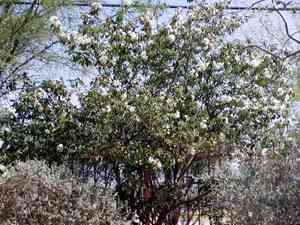
A decorative bush celebrated for its white, bell-shaped blossoms, mexican olive flourishes with judicious trimming. Eliminate deceased or compromised branches in late winter, and sculpt the foliage in early spring for peak vitality and aesthetic appeal. Reducing inner limbs improves light exposure and airflow, fostering robust development. Trimming following flowering stimulates a denser form and can curb excessive dimensions. Consistently employ sanitized implements to avert pathogen spread and execute precise incisions to aid recovery.
What Are the Benefits of Pruning Mexican Olive?
What Are the Benefits of Pruning Mexican Olive?
Trimming mexican olive encourages robust development and maintains its desired form. Regular cutting fosters a strong framework, preventing congestion and enhancing air movement, which can deter illness. Strategic cuts boost flowering, providing both aesthetic appeal and health advantages for the plant.
What Is the Best Time for Pruning Mexican Olive?
What Is the Best Time for Pruning Mexican Olive?
Late winter and early spring are optimal for pruning mexican olive as these periods precede its primary growth phase. Pruning in late winter allows for the removal of any frost-damaged limbs before the plant's rapid spring growth, ensuring energy is directed to healthy sections. Early spring, prior to new growth, is ideal for shaping the plant and eliminating unwanted or overgrown branches. This timing also prevents cutting off flower buds, which form on the previous year's growth, allowing mexican olive to achieve its full flowering potential in the subsequent season. Pruning at these times supports vigorous health and enhances blooming and fruiting, which typically occur in late spring and summer for this species.
What Tools Do I Need to Prune Mexican Olive?
Hand Pruners
For cutting mexican olive's slender branches, typically under 1/2 inch thick, hand pruners offer precision and ease of use. It's recommended to use bypass pruners, which operate like scissors and create clean cuts essential for the plant's well-being.
Lopping Shears
When dealing with branches ranging from 1/2 to 1 1/2 inches thick, lopping shears are the preferred tool. Their long handles provide leverage, making it easier to prune thick branches of mexican olive without strain.
Pruning Saw
For the thickest branches of mexican olive, exceeding 1 1/2 inches in diameter, a pruning saw is indispensable. It enables gardeners to cut through wood efficiently without tearing bark or harming the plant.
Pole Pruner
If mexican olive has grown tall and some branches are out of reach, a pole pruner can be used to trim without needing a ladder. This enhances safety for the gardener while ensuring proper plant upkeep.
How to Prune Mexican Olive
Identify
Inspect mexican olive thoroughly to pinpoint all dead and diseased branches that need removal.
Sanitize
Disinfect your pruning tools with alcohol or a bleach solution to prevent the spread of diseases during trimming.
Cut Diseased
Make clean cuts to remove diseased branches, cutting back to healthy wood, well below the affected areas.
Cut Dead
Remove dead branches by cutting at the point where they meet healthy, living tissue, ensuring not to damage the collar, which is the swelling at the branch base.
Dispose
Properly dispose of all removed material, away from healthy plants, to minimize the risk of disease transmission.
Common Pruning Mistakes with Mexican Olive
Over-Pruning
A significant error is removing too much at once, which can stress mexican olive and hinder its growth or lead to a lack of blooms.
Improper Cut Angle
Cuts should be made at a 45-degree angle to prevent water accumulation and potential disease; incorrect angles can harm mexican olive's health.
Cutting Too Close
Making cuts too near the main stem can damage the growth nodes, impeding mexican olive's ability to regenerate properly.
Using Dull Tools
Employing dull pruning tools can result in jagged cuts that are more prone to infection, negatively impacting mexican olive's vitality.
Neglecting To Prune
Failing to remove dead or diseased branches can cause mexican olive to expend unnecessary energy on them instead of healthy growth and flowering.
Pruning Healthy Blooms
Mistakenly cutting off healthy flowers and buds can diminish the overall blooming of mexican olive, affecting its ornamental value.
Common Pruning Tips for Mexican Olive
Sanitize Tools
Before pruning, disinfect tools with a bleach or alcohol solution to prevent spreading diseases to mexican olive.
Selective Pruning
Focus on selectively removing only dead, diseased, or crossing branches, which will benefit the health and appearance of mexican olive.
Gradual Pruning
Aim for gradual pruning over several seasons if reshaping or size reduction is necessary, ensuring not to remove more than one-third of mexican olive's volume at once.
Angle Of Cuts
Ensure all cuts are made at a 45-degree angle away from buds to promote proper healing and prevent water retention, which could cause rot in mexican olive.
Thin Out Center
Thin out the center of mexican olive to increase air circulation and sunlight penetration, which will lead to healthier growth and more abundant flowering.
Careful With New Growth
Be cautious when pruning new growth, as it is where future flowers will develop; only trim if it is necessary to shape mexican olive.



