How to Prune Commelina?
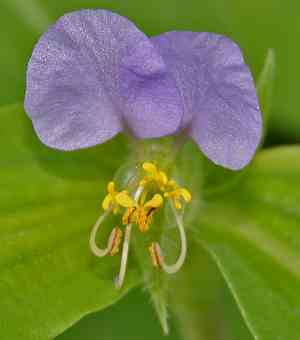
Distinguished by its fleshy roots and vivid blossoms, commelina thrives with consistent trimming to foster abundant foliage and blooming. The most effective periods for pruning are in Spring, Summer, and Autumn, after the flowering phase, to stimulate fresh development. This process entails eliminating deceased or excessively long stems and faded blooms to preserve the plant's well-being and look. Such actions not only boost the plant's visual appeal but also deter ailments by enhancing air movement surrounding the plant.
What Are the Benefits of Pruning Commelina?
What Are the Benefits of Pruning Commelina?
Trimming commelina encourages robust development and helps maintain its desired form. Consistent cutting promotes denser foliage, limits its spread, and revitalizes the plant, making it a crucial part of its care routine.
What Is the Best Time for Pruning Commelina?
What Is the Best Time for Pruning Commelina?
Pruning or trimming commelina during Spring, Summer, and Fall is ideal to enhance its health and encourage robust growth. In Spring, pruning helps shape the plant and prepare it for the vigorous growth period, allowing it to direct energy into producing new, healthy shoots. During Summer, light pruning is beneficial to remove any spent flowers or unruly growth, which helps maintain an attractive appearance and supports continued flowering. In Fall, trimming commelina helps remove old or dead foliage and prepares it for the winter, reducing the risk of disease and pest infestation while also encouraging denser growth in the upcoming seasons.
What Tools Do I Need to Prune Commelina?
Bypass Pruners
Perfect for making clean cuts that help prevent disease from entering commelina. Bypass pruners are precise and gentle on commelina's delicate stems, ensuring minimal damage during pruning.
Garden Shears
Suitable for trimming back larger areas of commelina with ease. The longer blades help maintain a uniform shape and height and are particularly useful for managing dense growth.
Handheld Snips
Perfect for fine-tuning and shaping commelina thanks to their smaller, sharp blades. These tools allow for detailed work, including deadheading spent flowers and removing unwanted new growth.
How to Prune Commelina
Clean tools
Before starting the pruning process, ensure all pruning tools are clean and sharp to prevent the spread of disease and ensure clean cuts on commelina.
Identify
Carefully inspect commelina to identify withered or dead leaves. These are typically discolored, dry, and may be brittle to the touch.
Cut
Using your pruning shears, carefully trim off the withered leaves at the base where they meet the stem. Make the cut clean and close to the stem to promote better healing and appearance.
Dispose
Discard the removed leaves properly to avoid any potential disease spreading in your garden. Composting is recommended unless the leaves show signs of disease.
Monitor
After pruning, monitor commelina for new growth and signs of good health. Regular checks will help detect any further signs of distress or the need for additional pruning.
Common Pruning Mistakes with Commelina
Over-pruning
Pruning too much of commelina at once can lead to reduced flowering and a weakened plant structure. Gardeners, especially novices, might inadvertently remove too many stems, thinking it encourages growth, but this risks the health of commelina.
Ignoring plant health
Failing to consider the health and vigor of commelina before pruning is a common error. Removing healthy shoots instead of just the dead or diseased parts can hamper the growth and aesthetic form of the plant.
Improper technique
Using dull or unclean pruning tools can damage the stems of commelina, leading to frayed cuts that poorly heal and increase susceptibility to diseases.
Common Pruning Tips for Commelina
Selective pruning
Focus on removing only dead, damaged, or diseased tissue. This encourages commelina to develop stronger, more vigorous growth and promotes better flowering.
Tool maintenance
Ensure that pruning tools are sharp and clean before starting the pruning process. Clean cuts heal faster and reduce the risk of introducing pathogens to commelina.
Consider plant structure
Maintain an even structure by pruning overgrown sections of commelina. This not only enhances the plant's appearance but also improves light penetration, which is essential for the health and flowering capability of lower lying shoots.



