How to Prune Common coleus?
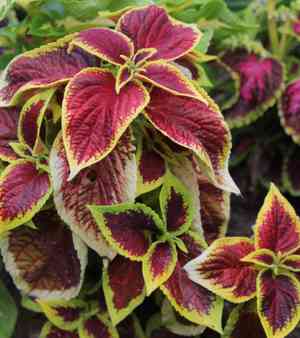
This lively, leafy perennial is recognized for its distinctive, variegated foliage. For typical coleus varieties, snip off the growing tips to foster a denser habit, and eliminate any emerging flower stalks to preserve the leaves' vividness. The ideal period for trimming extends from early spring through late autumn, aligning with its vigorous growth phase. Consistent trimming enhances density and prevents an elongated appearance, guaranteeing a compact, appealing shape perfect for ornamental displays.
Advantages of Trimming Common Coleus
Advantages of Trimming Common Coleus
Trimming common coleus promotes vigorous development and maintains its desired structure. It stimulates new foliage, resulting in a denser, more appealing plant. Consistent trimming ensures common coleus stays vibrant and well-formed.
Optimal Period for Trimming Common Coleus
Optimal Period for Trimming Common Coleus
During early spring, common coleus begins a new growth cycle, making it an ideal time to shape the plant and encourage denser growth. Trimming at this time allows common coleus to recover swiftly and direct energy into new, healthy growth before summer heat. As common coleus actively grows throughout warmer months, occasional trimming maintains the desired form and prevents legginess. Trimming should be reduced as late autumn approaches, allowing common coleus to prepare for winter dormancy without new growth susceptible to cooler temperatures.
Tools Required for Trimming Common Coleus
Hand Pruners
Handheld pruning shears are crucial for making precise cuts on common coleus, as its stems are delicate and demand accuracy. Bypass pruners are preferred for their scissor-like action, which minimizes damage to plant tissues.
Gardening Scissors
Common coleus can be easily shaped and maintained with sharp gardening scissors. They offer greater control for deadheading and shaping due to common coleus's fine foliage and soft stems.
Pruning Snips
Straight blade pruning snips are excellent for cutting through thin common coleus stems. They allow for quick, accurate trimming of small, delicate areas without causing undue stress to the plant.
How to Trim Common Coleus
Step1: Identify Areas for Trimming
Identify the parts of common coleus that need trimming: Dead foliage, withered stems, and flower clusters should be your targets for removal.
Step2: Sanitize Trimming Tools
Sanitize your trimming tools with a 10% bleach solution or rubbing alcohol to prevent disease spread. Rinse the tools and let them dry before use.
Step3: Remove Dead Foliage
Begin with the dead foliage. Carefully remove dead leaves by cutting them at the base where the leaf stem meets the main stem. Make a clean cut and ensure not to harm the healthy parts of the plant.
Step4: Trim Withered Stems
Proceed to withered stems. Locate the base of the withered stem, tracing it back to a healthy part of the plant. Make a diagonal cut just above a leaf node or a branching point to stimulate new growth.
Step5: Clip Flower Clusters
Address the flower clusters if common coleus has started to flower. Flowering can divert energy from foliage growth, which is the primary ornamental feature of common coleus. Clip the flower clusters at the base where they meet the stem.
Step6: Shape the Plant
After trimming the specified parts, assess the overall shape of common coleus. If additional shaping is needed, pinch or cut the tips of stems just above a leaf pair to promote denser growth and maintain a desirable shape. Always make cuts at a 45-degree angle to encourage rapid healing.
Step7: Dispose of Trimmed Parts
Discard all removed plant parts in a compost bin or trash. Keeping them can attract pests or disease.
Step8: Water Plant Lightly
Water common coleus lightly after trimming to help reduce stress on the plant. Ensure proper care and maintenance post-trimming to support recovery and healthy regrowth.
Step9: Monitor Plant Recovery
Monitor the plant for a week following trimming. Look for signs of new growth, which indicates a successful trimming session. Adjust care as necessary based on the plant's response.
Post-Trimming Care for Common Coleus
Post-Trimming Care for Common Coleus
Immediately after trimming, keep common coleus in a well-lit area without direct sunlight. Maintain ambient humidity and a temperature between 60-75°F to aid healing. Hydrate the soil without overwatering to prevent stress. Apply a balanced liquid fertilizer to replenish nutrients, supporting vigorous regrowth. Monitor common coleus for wilting or discoloration, indicators of stress or infection. If signs appear, adjust care, ensuring proper tool sanitation to avoid future issues.
Common Trimming Errors with Common Coleus
Excessive Trimming: Risks Shock and Weak Growth
Trimming too much at once, which can shock common coleus and potentially lead to weakened growth or plant stress.
Using Dull Tools: Causes Jagged Cuts and Disease
Using dull or dirty cutting tools, which can result in jagged cuts, making common coleus vulnerable to disease and pests.
Trimming Without Purpose: May Spoil Plant Shape/Blooms
Trimming without a clear objective, leading to misshapen plants or removal of potential blooms in flowering varieties.
Tip Snipping Only: Inhibits Fuller Plant Development
Snipping only the branch tips, preventing common coleus from developing a denser, bushier shape.
Ignoring Dead/Damaged Growth: Hinders Plant Health
Neglecting to remove dead or damaged leaves and stems, which can impede healthy growth and cause further plant deterioration.
Common Trimming Advice for Common Coleus
Sharp Clean Cuts: Use Proper Trimming Shears
Use sharp, clean trimming shears to make precise cuts that will heal quickly and minimize the chance of introducing diseases to common coleus.
Cut Above Leaf Nodes: Promotes Bushier Growth
Trim common coleus just above a leaf node, as this encourages the plant to branch out below the cut, leading to a denser plant.
Remove Dead Foliage: Maintains Health and Growth
Remove any dead, damaged, or discolored foliage to maintain the health and appearance of common coleus and to encourage fresh growth.
Pinch Back Tips: For a Bushier, Compact Plant
Regularly pinch back the growing tips during the active growth period to encourage common coleus to become denser and more compact.
Even Trimming Distribution: Maintains Balanced Shape
For branching varieties of common coleus, evenly distribute trimming throughout the plant to maintain a balanced shape and avoid lopsided growth patterns.
Selective Trimming: Shapes and Manages Growth
Incorporate selective trimming to shape the plant, focusing on cutting back leggy growth and balancing the overall form for an aesthetic appearance.



