How to Prune Autumn crocus?
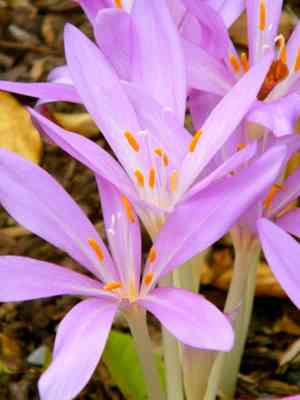
This enduring plant, recognized for its vivid blossoms appearing in fall, needs very little trimming. Essential methods for autumn crocus include detaching spent or withered blooms after flowering. Perform pruning in late winter to early spring, prior to the emergence of new shoots. Trimming manages dimensions, hinders seed dispersal, and preserves the plant's well-being. Sanitize implements to avert the spread of illness and handle with caution, given that every component is poisonous.
What Are the Benefits of Pruning Autumn Crocus?
What Are the Benefits of Pruning Autumn Crocus?
Trimming autumn crocus promotes more robust development and helps maintain a balanced, pleasing form. It eliminates dead or weakened tissue, lowering disease risks and fostering a healthier plant structure.
What Is the Best Time for Pruning Autumn Crocus?
What Is the Best Time for Pruning Autumn Crocus?
These periods align with autumn crocus's dormant phase, following the foliage's decline after its growth cycle concludes in the fall. Late winter pruning prepares autumn crocus for new growth by removing dead or damaged tissue before spring growth begins. Early spring pruning, after the harshest winter weather has passed but before new growth starts, helps avoid cutting emerging shoots and ensures the plant's energy is directed towards healthy development. Additionally, pruning during these seasons allows for easy identification of which parts of autumn crocus need trimming while minimizing plant stress and reducing the risk of disease entry associated with open cuts during the active growing season.
What Tools Do I Need to Prune Autumn Crocus?
Hand Shears
For the delicate leaves and flower stems of autumn crocus, sharp hand shears provide a precise, clean cut without harming the plant's structure.
Bypass Pruners
Ideal for cutting the slender stems of autumn crocus without crushing them, bypass pruners operate like scissors and are less likely to damage plant tissues.
Gardening Gloves
To shield the gardener's hands from potential skin irritants when handling autumn crocus, durable gardening gloves are an essential item.
Disinfectant
Using a disinfectant to clean blades after pruning autumn crocus will help prevent the spread of diseases between plants.
How to Prune Autumn Crocus
Step1: Timing for Pruning
Wait for the appropriate time to trim autumn crocus, which is after the flowers have faded and wilted, typically in late autumn or early winter, as autumn crocus blooms in the fall.
Step2: Deadhead Flower Stalks
Start by removing spent flowers from autumn crocus. Snip the flower stalks at their base, being careful not to harm emerging leaves.
Step3: Identify Fading Foliage
Locate withered or yellowing leaves. These are usually found after autumn crocus has bloomed and the foliage has completed its life cycle.
Step4: Trim Withered Leaves
Cut back the withered leaves at the point where they naturally separate from healthy green tissue, or at the base if the entire leaf is dead. Use clean, sharp pruning shears.
Step5: Dispose Removed Plant Parts
Discard the removed plant parts responsibly, either by composting them or disposing of them according to local regulations.
Step6: Sanitize Pruning Shears
Clean the pruning shears with a solution of one part bleach to nine parts water to prevent the spread of disease.
Step7: Watch for Spring Growth
Monitor autumn crocus for new growth in the spring, being careful not to disturb the bulb or the new shoots.
Step8: Post-Pruning Care and Fertilization
Water and fertilize autumn crocus as appropriate after pruning, to encourage healthy growth in the upcoming season. Use a balanced, slow-release fertilizer.
Post-Pruning Care for Autumn Crocus
Post-Pruning Care for Autumn Crocus
Immediately after trimming autumn crocus, water the plant thoroughly to reduce stress. Keep autumn crocus in partial shade to avoid direct sunlight that can damage delicate tissues. Maintain ambient temperature around 60-70°F and high humidity to support recovery. Apply a balanced liquid fertilizer to promote healthy regrowth, and monitor for wilting or discoloration indicating stress or infection. If symptoms appear, reduce watering and inspect for pests or diseases, acting swiftly with appropriate treatments.
Common Pruning Mistakes with Autumn Crocus
Pruning Before Leaves Die Back
Trimming autumn crocus when leaves are still green and photosynthesizing can deprive it of the energy needed for next year's growth, as foliage stores energy after blooms fade.
Over-Pruning Reduces Energy Production
Removing too much of autumn crocus's foliage can weaken the plant, as it requires ample leaf surface area to generate the energy necessary for the subsequent season.
Too Early Flower Stalk Cutting
Cutting flower stalks of autumn crocus too soon after blooming can prevent the formation of seed pods, which some gardeners value for their ornamental appeal.
Common Pruning Tips for Autumn Crocus
Prune After Leaves Yellow and Die
Wait until the leaves of autumn crocus have completely yellowed and died back before removing them to ensure the plant has stored sufficient energy for the next growing cycle.
Use Sharp Shears for Clean Cuts
Use clean, sharp pruning shears to make precise cuts on autumn crocus, which will help prevent disease and minimize damage to the plant's structure.
Prune Spent Foliage Without Disturbing New Growth
Limit the trimming of autumn crocus to the removal of spent foliage and faded flowers, being careful not to disturb emerging leaves and buds preparing for the next season.



