How to Prune Arabian coffee?
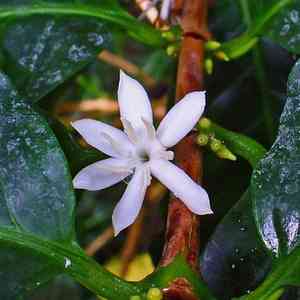
The well-known evergreen shrub, arabian coffee, recognized for its lustrous foliage and berries containing coffee beans, flourishes with appropriate trimming. Key methods involve excising deceased or ailing limbs, reducing dense sections to enhance airflow, and sculpting for symmetrical development. The most effective time for pruning is during the winter period, in preparation for the forthcoming cultivation cycle. Trimming boosts harvest quantity and bean excellence, concurrently preserving the plant's well-being and robustness.
What Are the Benefits of Pruning Arabian Coffee?
What Are the Benefits of Pruning Arabian Coffee?
Trimming arabian coffee promotes robust, vigorous development and maintains its desired form. It aids in managing plant size, stimulating new growth, and ensuring optimal coffee bean yield.
What Is the Best Time for Pruning Arabian Coffee?
What Is the Best Time for Pruning Arabian Coffee?
Winter trimming is ideal for arabian coffee as it allows the plant to direct its energy towards developing new growth and flower buds that will form the subsequent season's harvest. Pruning at this time minimizes plant stress since it aligns with the plant's natural dormant period when growth is slow and resource demand is lower. Removing old or dead branches during this season also helps prevent disease and pest infestations, fostering overall plant health and productivity for the coming year.
What Tools Do I Need to Prune Arabian Coffee?
Hand Pruners
Arabian coffee has branches with relatively small diameters, making hand pruners suitable for creating clean cuts on branches up to 3/4 inch thick.
Pruning Saws
For older, woodier arabian coffee branches that are too thick for hand pruners, a pruning saw is essential to cut branches exceeding 3/4 inch in diameter without harming the plant.
Loppers
Loppers can be utilized on arabian coffee for branches slightly too thick for hand pruners but not excessively thick, typically up to 2 inches in diameter, offering leverage and reach.
Pruning Shears
Pruning shears, especially those designed for precise cutting, are perfect for shaping arabian coffee and snipping off smaller, less woody stems and excess growth.
Secateurs
Bypass secateurs are recommended for arabian coffee, as they produce clean and accurate cuts, which is crucial for preventing disease and encouraging healthy development.
Gloves
When trimming arabian coffee, to safeguard hands from scratches and potential irritation, wearing a durable pair of gardening gloves is necessary.
How to Prune Arabian Coffee
Step1: Identification of Aged and Unhealthy Plant Sections
Carefully inspect arabian coffee to pinpoint old branches, yellowed leaves, and damaged stems requiring removal. This is best done during the plant's dormant phase, typically late winter or early spring before new growth begins.
Step2: Sanitization of Pruning Tools
Utilize clean, sharp pruning shears or scissors. Sterilize cutting tools with alcohol or a 10% bleach solution to prevent the spread of diseases between plants.
Step3: Removal of Yellow Leaves at the Base
Start by removing yellow leaves by cutting them at the base of the leaf stem. Make a clean cut close to the branch to avoid leaving stubs that can attract pests and diseases.
Step4: Pruning of Old Branches at a 45-degree Angle
To trim old branches, identify those older than three years, which typically have darker bark. Cut these branches at a 45-degree angle, approximately 1/4 inch above a healthy bud or branch. This angle helps shed water and promotes healthy new growth.
Step5: Trimming Damaged Stems Above Healthy Tissue
Examine arabian coffee for damaged stems caused by pests, disease, or physical injury. Cut these stems back to healthy tissue, ensuring the cut is just above a leaf node or lateral branch.
Step6: Thinning for Sunlight and Air Penetration
Shape arabian coffee to maintain an open center, which allows sunlight and air to penetrate the canopy, improving the plant's health. Avoid removing too much at onceânever remove more than one-third of the plant's total growth in a single season.
Step7: Appropriate Disposal of Pruned Plant Material
Properly dispose of all trimmed material to prevent the spread of any diseases or pests. Do not compost diseased or infested plant parts.
Step8: Post-Pruning Watering and Fertilization
After trimming, thoroughly water arabian coffee and apply a balanced fertilizer to aid the plant's recovery and encourage healthy growth.
Step9: Post-Pruning Plant Health Monitoring
Monitor arabian coffee after trimming for signs of stress or disease and take appropriate actions such as additional watering, fertilization, or pest control if necessary.
Post-Pruning Care for Arabian Coffee
Post-Pruning Care for Arabian Coffee
Immediately after trimming arabian coffee, ensure a clean environment to minimize disease risk. Provide bright indirect light and maintain a consistent temperature of 18-25°C and humidity around 50-60%. Post-pruning fertilizer should be balanced, with application beginning a month after trimming to allow healing. Monitor arabian coffee for wilted leaves or discoloration, indicators of stress or infection, and act quickly to resolve any issues. Keep soil consistently moist and observe new growth as a sign of recovery.
Common Pruning Mistakes with Arabian Coffee
Over-Pruning Stresses Plants
Trimming too much at once, which can stress arabian coffee and potentially lead to reduced vigor or even plant demise.
Jagged Cuts from Dull Tools Risk Disease
Using dull or unsanitized pruning tools, which can result in uneven cuts that are more vulnerable to disease.
Removing Structural Branches Weakens Plant
Eliminating branches that help support the structure of arabian coffee, leading to a weakened framework and diminished yield.
Improper Cuts Damage Healing Collar
Cutting too close to the trunk or remaining branch, which could harm the collar and hinder proper healing.
Unplanned Pruning Affects Growth and Shape
Trimming without a clear objective, resulting in an unbalanced shape that could impact future growth and productivity.
Common Pruning Tips for Arabian Coffee
Use Sharp, Clean Tools for Healthy Cuts
Always use sharp, clean pruning tools to make precise cuts, which will heal more quickly and reduce the risk of infection.
First Remove Dead or Diseased Wood
Prioritize removing dead or diseased wood first to maintain plant health and prevent the spread of pathogens.
Thin Center for Sunlight and Air Circulation
Thin out the center of arabian coffee to allow sunlight to penetrate and air to circulate, decreasing the likelihood of disease and promoting uniform fruit production.
Maintain Natural Shape for Strong Structure
Consider the natural form of arabian coffee and aim to preserve it, fostering a strong structure that can support the coffee fruits.
Angled Cuts Above Buds Direct Growth
Make angled cuts just above a bud facing the direction in which you desire new growth to emerge, encouraging a more directed and productive growth pattern.



