How to Prune Pilose bellflower?
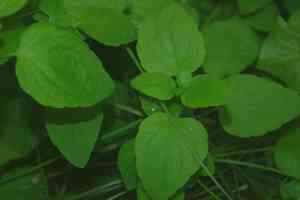
A climbing perennial, pilose bellflower thrives with judicious trimming to preserve its form and foster vigorous development. Swiftly remove spent blossoms to encourage uninterrupted flowering. Cut back elongated stalks in early spring to revitalize and stimulate strong new growth. To ensure peak condition, eliminate any deceased or compromised stems when necessary. Seasonal trimming ought to coincide with periods of active growth from spring through autumn, steering clear of dormant phases. Consistent pruning improves air movement, diminishing the likelihood of disease and strengthening the plant's general robustness.
What Are the Benefits of Pruning Pilose Bellflower?
What Are the Benefits of Pruning Pilose Bellflower?
Trimming pilose bellflower promotes more blossoms, stimulates robust development, and helps keep its desired shape. Precise cuts enhance its health and appearance, ensuring a compact form and abundant flowering. It's crucial for the plant's vitality and garden integration.
What Is the Best Time for Pruning Pilose Bellflower?
What Is the Best Time for Pruning Pilose Bellflower?
Trimming pilose bellflower in Late Spring, once frost danger has passed and before new growth emerges, fosters healthy development and lessens the chance of harming new shoots. Early Summer is suitable for light shaping, to form pilose bellflower or manage unwanted growth, being careful not to disturb new buds forming for the next season. Early Fall pruning is good for removing any dead or damaged growth from summer and maintaining plant health, but should be done carefully to avoid stimulating new growth that could be harmed by approaching winter cold.
What Tools Do I Need to Prune Pilose Bellflower?
Bypass Pruners
Perfect for making neat cuts on pilose bellflower's relatively slender stems without crushing plant tissues, which aids in rapid recovery.
Gardening Scissors
Useful for precise trimming of pilose bellflower's delicate leaves and for removing faded flowers to encourage more blooming.
Soft Grip Floral Snips
Their smaller blades are ideal for detailed tasks on pilose bellflower such as thinning and shaping without causing unnecessary harm to the plant.
How to Prune Pilose Bellflower
Identify
Examine pilose bellflower to find diseased leaves, withered foliage, and spent flowers that need to be removed. Look closely at the leaves and stems for any signs of discoloration, distortion, or decay indicating illness.
Sanitize
Before starting to prune, clean and disinfect the pruning tools to prevent disease spread. Use a solution of one part bleach to nine parts water or rubbing alcohol to wipe down the blades of your pruners or scissors.
Remove diseased leaves
Carefully cut off any diseased leaves from pilose bellflower at their base, where they connect to the stem or branch. Avoid tearing or damaging the plant's tissue, which could create new entry points for disease.
Prune withered parts
Trim away withered leaves and dead flowers of pilose bellflower to encourage healthy growth and improve air circulation. Make cuts at the base of the withered part, but be careful not to cut into healthy tissue or remove more foliage than necessary.
Dispose
After pruning, discard all removed plant material from pilose bellflower appropriately. Do not compost diseased plant parts as they can harbor pathogens. Clean your tools once more after finishing to maintain hygiene.
Common Pruning Mistakes with Pilose Bellflower
Over Pruning
Removing too much foliage from pilose bellflower at once can stress the plant, potentially leading to poor growth and a reduction in its overall health and flowering capacity.
Improper Tool Use
Using dull or dirty pruning tools can damage pilose bellflower's stems, risking the introduction of diseases and hindering healing.
Pruning Without a Plan
Randomly cutting branches without understanding the plant's growth pattern can lead to an unbalanced shape and affect future flowering.
Neglecting Deadheading
Failing to remove spent flowers can result in pilose bellflower focusing energy on seed production rather than on new growth and blooms.
Ignoring Plant Health
Pruning without first assessing the plant's health can worsen existing issues, such as pests or diseases, by creating additional stress.
Common Pruning Tips for Pilose Bellflower
Clean Cuts
Make clean, angled cuts just above a leaf node or branching point to encourage healthy regrowth and minimize the risk of disease in pilose bellflower.
Selective Pruning
Prune just enough to shape pilose bellflower and remove any dead or diseased branches, which helps to maintain the plant's vigor without stunting its growth.
Sanitize Tools
Always sanitize pruning tools before and after use to prevent the spread of pathogens that could harm pilose bellflower.
Deadhead Regularly
Remove spent blooms regularly to promote continued flowering and redirect pilose bellflower's energy to new growth.
Assess Before Cutting
Evaluate the overall structure and health of pilose bellflower before pruning to identify the best branches for removal and the optimum extent of pruning needed to achieve the desired shape and health.



