How to Prune Garden croton?
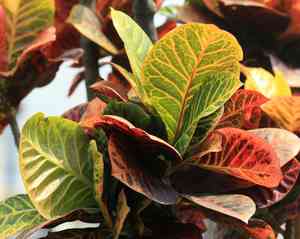
This evergreen tropical shrub, recognized for its striking, patterned foliage, flourishes with consistent trimming. Essential methods involve judiciously reducing dense branches and shortening elongated stems to foster a more compact form. The ideal season for pruning garden croton is in winter, its inactive phase, to preserve its vivid leaves. Trimming can stimulate fresh development, resulting in a denser and stronger plant. Always employ sanitized, sharp implements to avert pathogen transmission.
What Are the Benefits of Pruning Garden Croton?
What Are the Benefits of Pruning Garden Croton?
Trimming garden croton promotes robust development and maintains its form by eliminating old or unhealthy leaves and enhancing air circulation. It also stimulates fresh, healthier growth that suits the plant's inherent structure.
What Is the Best Time for Pruning Garden Croton?
What Is the Best Time for Pruning Garden Croton?
This timing aligns with garden croton's inactive period when its growth naturally slows, reducing stress and the likelihood of pest infestation or disease that could arise from pruning during warmer, active growth phases. It also prepares garden croton for a strong growth surge by removing any dead or damaged foliage and helps shape the plant for the upcoming season.
What Tools Do I Need to Prune Garden Croton?
Hand Pruners
Perfect for making precise cuts on garden croton, enabling careful shaping and removal of small branches without causing unnecessary harm to the plant.
Pruning Saws
Essential for cutting through thicker branches of garden croton that hand pruners cannot manage, ensuring a clean cut to encourage healthy regrowth.
Anvil Pruners
Useful for dead or dry branches, as their design allows for a crushing action that does not harm the remaining parts of garden croton.
Gloves
Important for protection during pruning of garden croton, as its sap can irritate some people's skin and the plant may have rough edges.
Cleaning Solution
Crucial for sanitizing tools before and after use to prevent the spread of diseases while caring for garden croton.
Loppers
Effective for reaching into dense growth of garden croton and providing leverage to make cutting easier when trimming larger branches.
How to Prune Garden Croton
Step1: Identifying Foliage for Removal
Locate yellow leaves on garden croton. This indicates old or unhealthy foliage that should be removed to improve plant health and appearance.
Step2: Preparing Sterilized Pruning Tools
Choose clean, sharp pruning shears or scissors. Sanitize the tools with rubbing alcohol or a bleach solution to prevent disease transmission.
Step3: Pruning Yellow Leaves at Base
Remove yellow leaves by cutting at the base of the leaf's stem, as close to the main branch as possible without causing damage. This helps stimulate new growth.
Step4: Inspecting for Stem Damage
Examine garden croton for damaged stems, which might be caused by pests, disease, or physical injury. Look for signs such as wounds, cankers, or unusual discoloration.
Step5: Cutting Damaged Stems Above Damage
Trim damaged stems above the point of damage, making a 45-degree angled cut to promote healing and water runoff. Cut at least 1/4 inch above a leaf node or branching point.
Step6: Locating and Removing Dry Branches
Identify dry branches, which feel brittle and lack normal green vitality. These are typically unproductive and can drain energy from the healthier parts of garden croton.
Step7: Pruning at Main Stem or Healthy Branch
Cut dry branches off where they connect to the main stem or a healthy branch. Make the cut just outside the branch collar to encourage proper healing.
Step8: Thinning for Airflow and Light Access
Thin out crowded areas to enhance airflow and light penetration. Remove some of the inner branches and stems that are crossing or rubbing against each other.
Step9: Shaping Plant Minimally for Aesthetics
Shape garden croton for aesthetic purposes if desired, but do so sparingly as heavy pruning can stress the plant. Aim for a natural shape that complements garden croton's growth habit.
Step10: Debris Cleanup Post-Pruning
After pruning, clear away all debris to reduce the risk of pests and disease. Dispose of yellow leaves, damaged stems, and dry branches appropriately.
Step11: Watering After Pruning
Water garden croton after pruning to help reduce stress and aid recovery. Ensure the soil is moist but not waterlogged.
Step12: Monitoring Plant Health and Growth
Observe garden croton over the subsequent weeks for signs of new growth and overall health, adjusting care practices as needed to encourage a healthy recovery.
Post-Pruning Care for Garden Croton
Post-Pruning Care for Garden Croton
After pruning, garden croton requires immediate attention to restore vitality. Position the plant in bright, indirect light to encourage new growth without scorching leaves. Maintain humidity at 40-60% and temperature between 60-75°F. Begin light fertilization with a balanced liquid feed after two weeks to support recovery. Regularly check for wilting or discolored leaves, which could indicate stress or disease. If detected, adjust care promptly. Consistency in these practices ensures garden croton's health and rejuvenation.
Common Pruning Mistakes with Garden Croton
Damaging Plant Stems with Dull Tools
Using dull or unclean pruning tools can harm the stems of garden croton, leading to poor cuts and increased vulnerability to diseases.
Over-Pruning Hinders Photosynthesis
Pruning too much at once may stress garden croton, as removing more than a third of the plant can impede its ability to photosynthesize effectively and regrow.
Neglecting Dead or Diseased Foliage
Failing to remove only the dead or diseased foliage can result in an untidy appearance and may compromise the overall health of garden croton, as diseased leaves can harbor pathogens.
Improper Cuts on Non-Leafy Parts
Cutting into the woody, non-leafy sections of garden croton can cause unnecessary injury to the plant, as garden croton primarily benefits from the removal of leafy growth.
Pruning Against Natural Plant Shape
Ignoring the natural form of garden croton when pruning can lead to an unnatural appearance and may diminish the plant's ornamental value.
Common Pruning Tips for Garden Croton
Use Clean, Sharp Tools for Healthy Cuts
Always use clean, sharp pruning shears to make clean cuts; sanitize the blades before and after trimming garden croton to minimize the risk of spreading pests or diseases.
Target Leggy Stems and Yellow Leaves
Prune garden croton by focusing on leggy stems, dead or yellowing leaves, and any stems that detract from the plant's symmetry to encourage a fuller and more appealing shape.
Thinning for Better Light and Air Flow
Perform selective thinning of garden croton's dense foliage to improve light penetration and air circulation throughout the plant, which can promote healthier growth and reduce the incidence of pests and diseases.
Encourage Growth with Angled Cuts
When cutting back stems, make angled cuts just above a leaf node where new growth is likely to occur, encouraging garden croton to grow more vigorously and bush out.
Selective Pruning to Maintain Natural Form
Prune garden croton selectively rather than indiscriminately; focus on shaping the plant and maintaining its natural form, enhancing its variegated patterns without overly reducing its foliage mass.



