How to Prune Common coconut palm?
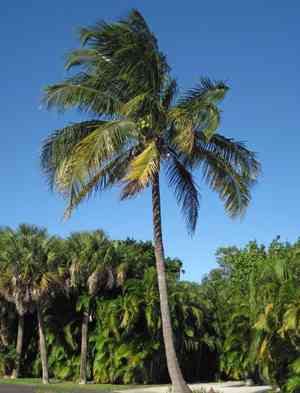
This exotic palm flourishes in balmy environments, characterized by its impressive stature and groupings of expansive verdant leaves. For typical coconut palms, remove withered or fractured fronds, coconuts, and floral stems to uphold vitality and visual appeal. It is most effectively performed in early spring or late winter to lessen strain. Trimming improves safety by eliminating potential dangers and boosts air movement, thereby lowering the chance of illness. Employ keen, sanitized implements to avert harm and the dissemination of pathogens. Refrain from excessive trimming to safeguard energy reserves essential for development and fruit production.
What Are the Benefits of Pruning Common Coconut Palm?
What Are the Benefits of Pruning Common Coconut Palm?
Trimming common coconut palm encourages robust development and helps maintain its form. Regular cutting promotes healthy branching, reduces wind resistance, and prevents potential hazards from falling fronds.
What Is the Best Time for Pruning Common Coconut Palm?
What Is the Best Time for Pruning Common Coconut Palm?
During early spring and late winter, common coconut palm experiences a period of reduced growth, making it an ideal time for pruning. Trimming in these seasons allows for the removal of dead or damaged fronds before the more active growth phase of late spring and summer. This timing also helps minimize the risk of disease and pest infestation, as open wounds can heal faster in mild weather. Furthermore, pruning before the main growing season can help direct the common coconut palm's energy towards producing new, healthy growth and potentially improving fruit yield, as the tree is less stressed and can recover quickly. It is crucial, however, to ensure that pruning does not coincide with the flowering or fruiting periods to avoid negatively impacting the harvest.
What Tools Do I Need to Prune Common Coconut Palm?
Pole Pruner
Given common coconut palm's height, a pole pruner is essential for reaching and safely cutting fronds without needing to climb.
Chainsaw
For thicker branches or the removal of large fronds, a chainsaw with an extended handle attachment can be used, providing necessary power and reach.
Loppers
When accessible, loppers can be employed for cutting smaller fronds or for detailed work when pruning common coconut palm.
Safety Harness
When climbing is necessary for closer work on common coconut palm, a safety harness should be utilized to prevent falls.
Pruning Saw
A pruning saw may be required for precise cuts on medium-sized fronds or branches too thick for loppers.
Gloves
Heavy-duty gloves protect hands from sharp frond edges and fibrous material during the pruning of common coconut palm.
Protective Clothing
Long sleeves and pants offer protection against scratches and falling debris while pruning common coconut palm.
Eye Protection
Safety goggles or glasses help prevent injury from flying debris or sap, especially when looking upwards to prune common coconut palm.
How to Prune Common Coconut Palm
Step1: Inspect Fronds for Pruning
Assess common coconut palm for pruning by examining its fronds. Look for fronds that are dead, weak, or diseased. These typically appear discolored, droopy, or show clear signs of damage or illness.
Step2: Sterilize Pruning Tools
Prepare the necessary tools for pruning common coconut palm. Use a sharp, clean pruning saw or pole saw for high fronds. Ensure your tools are disinfected to prevent disease transmission.
Step3: Wear Protective Pruning Gear
Don protective gear before beginning to prune common coconut palm. This includes safety glasses, gloves, and sturdy footwear. Fronds can be heavy and sharp, posing a risk if they fall.
Step4: Plan Pruning Cuts
Strategize your cuts on common coconut palm. Dead fronds will be brown and hang below the horizontal plane of the coconut's canopy. Weak fronds may appear yellowish and lack structural integrity, while diseased fronds will exhibit abnormal spots, lesions, or rot.
Step5: Remove Dead Fronds
Start pruning common coconut palm by removing dead fronds. Cut each frond close to the trunk but avoid damaging the trunk or adjacent healthy fronds. Make the cut at a slight angle to prevent water accumulation on the stump, which can lead to rot.
Step6: Prune Weak Fronds
Prune weak fronds from common coconut palm in a similar manner to dead fronds. Cut them close to the trunk while avoiding harm to the trunk and remaining fronds. This will allow more resources to be redirected to healthy parts of common coconut palm.
Step7: Eliminate Diseased Fronds
Remove diseased fronds from common coconut palm. Be especially careful to prevent the spread of disease. Consider using a disinfectant on the tool between cuts if the disease is contagious.
Step8: Dispose of Removed Fronds Safely
Properly dispose of the removed fronds from common coconut palm as they can harbor pests or disease. Do not compost if they are diseased; instead, burn them or dispose of them according to local regulations.
Step9: Inspect Post-Pruning Canopy Balance
Inspect common coconut palm after all pruning is complete. Ensure that the canopy still appears balanced and that enough green fronds remain to sustain the health of common coconut palm. Typically, no more than one-third of the fronds should be removed at a time.
Step10: Clean and Sterilize Pruning Tools
Clean and sterilize all tools used on common coconut palm to prevent the spread of disease to other plants. Store them in a dry place to maintain their sharpness and longevity.
Step11: Regular Pruning Inspections
Regularly inspect common coconut palm for pruning needs, ideally every 6 months, to maintain health and vigor. Properly timed pruning helps prevent the need for more drastic measures in the future.
Post-Pruning Care for Common Coconut Palm
Post-Pruning Care for Common Coconut Palm
Immediately after pruning common coconut palm, provide adequate irrigation to reduce stress. Maintain a humid, warm environment, avoiding extreme temperature fluctuations. Ensure ample indirect sunlight, shielding from intense direct rays. Apply a balanced fertilizer to support recovery, but avoid over-fertilization which can harm common coconut palm. Regularly inspect the pruning sites for any signs of infection or pest infestation. Should there be signs of distress, promptly treat with appropriate fungicides or insecticides, accompanied by proper cultural care adjustments.
Common Pruning Mistakes with Common Coconut Palm
Unnecessary Pruning of Healthy Fronds
Trimming living, healthy fronds that are not posing a risk or interfering with structures, which can cause undue stress or vulnerability to common coconut palm.
Using Dull or Unclean Pruning Tools
Employing dull or unclean tools that may lead to jagged cuts or introduce pathogens, potentially harming common coconut palm.
Over-Pruning or Incorrect Frond Removal
Removing too many fronds or the wrong fronds, such as those that grow horizontally or slightly upward, which are vital for common coconut palm's health and stability.
Neglecting Safety During Pruning
Ignoring safety precautions, such as wearing protective eyewear and clothing when pruning common coconut palm, which can result in injuries from falling fronds or coconuts.
Common Pruning Tips for Common Coconut Palm
Sanitize Tools to Prevent Disease Spread
Disinfect pruning tools before and after use to prevent the spread of disease and ensure clean cuts for common coconut palm.
Prune Only Dead or Dying Fronds
Trim only dead or dying fronds, those that are yellow or brown in color, to maintain the health of common coconut palm and encourage proper growth.
Proper Frond Cutting Technique
Cut fronds close to the trunk but not flush with it, leaving about 2-3 inches to avoid damaging common coconut palm's trunk.
Safe Pruning with a Pole Saw or Professionals
Use a pole saw or hire professionals for tall common coconut palm specimens to ensure safety and proper pruning technique, avoiding potential damage from climbing the tree.



