How to Prune Tropical bull nettle?
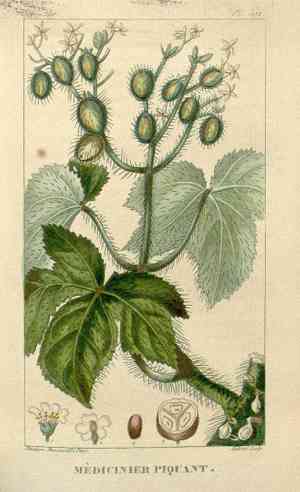
The tropical bull nettle, a stinging herbaceous perennial, necessitates cautious management during trimming. To achieve peak development, perform pruning in spring or summer to stimulate robust foliage and preserve the plant's form. Consistently eliminate aged or compromised stems, utilizing gloves to guard against its irritating bristles. Trimming improves air movement, diminishes infestations, and fosters fresh development. Employ sharp, sanitized cutting tools for precise incisions, which aid in averting ailments and accelerating recuperation.
What Are the Benefits of Pruning Tropical Bull Nettle?
What Are the Benefits of Pruning Tropical Bull Nettle?
Trimming tropical bull nettle encourages robust development and helps maintain its desired form, ensuring the plant stays healthy and visually appealing in the landscape.
What Is the Best Time for Pruning Tropical Bull Nettle?
What Is the Best Time for Pruning Tropical Bull Nettle?
Pruning tropical bull nettle in Spring is optimal as the plant prepares for a growth surge, typically following its dormant or slower winter period. Removing dead or overgrown stems at this time fosters healthier, more vigorous growth and improved access to sunlight and air. Summer trimming can be useful for upkeep, shaping the plant, and eliminating any pest or disease-damaged parts that became evident during spring's initial growth. It's crucial to avoid heavy pruning late in the season, as new growth might not have enough time to harden before colder temperatures arrive, potentially leading to frost damage.
What Tools Do I Need to Prune Tropical Bull Nettle?
Heavy-duty Gloves
Due to tropical bull nettle's stinging hairs, thick gloves are essential to shield the gardener's skin from irritation.
Bypass Pruners
Tropical bull nettle can be effectively trimmed using bypass pruners, which create clean cuts and are ideal for severing its relatively soft stems.
Long-handled Loppers
For reaching into dense areas of tropical bull nettle and cutting through thicker stems, long-handled loppers offer the necessary leverage and reach.
Pruning Saw
When dealing with mature and woody stems of tropical bull nettle, a pruning saw may be required for effective cutting.
Eye Protection
To guard against the plant's irritant hairs, eye protection is advised during pruning.
How to Prune Tropical Bull Nettle
Preparation
Wear protective attire, including gloves and long sleeves, to shield skin from the stinging hairs of tropical bull nettle. Prepare clean, sharp pruning tools to make precise cuts and prevent disease spread.
Disinfection
Sanitize pruning tools with a solution of one part bleach to nine parts water or use alcohol wipes to minimize pathogen transmission.
Removal of diseased leaves
Identify and carefully remove any diseased leaves from tropical bull nettle by cutting them at their base where they meet the stem. Ensure not to harm healthy adjacent tissue.
Removal of withered leaves
Trim withered leaves that are no longer contributing to tropical bull nettle's growth by snipping them at the base of the leaf stem to encourage healthy new foliage.
Removal of diseased stems
Cut back any diseased stems on tropical bull nettle to the nearest healthy node or the plant's base. Make the cut at a 45-degree angle to deter water collection and promote healing.
Common Pruning Mistakes with Tropical Bull Nettle
Improper gear
Gardeners often underestimate the importance of using suitable protective equipment when trimming tropical bull nettle, leading to skin irritation from contact with its stinging hairs.
Poor cut placement
Incorrect cut placement can harm tropical bull nettle and hinder its growth. Cuts made too close to the main stem might remove vital budding zones, while too far can leave unsightly stubs that attract pests and diseases.
Excessive pruning
Tropical bull nettle may be pruned too much at once, causing undue stress to the plant. This aggressive approach can weaken the plant and reduce its vigor.
Unsterilized tools
Failing to use sterilized tools can introduce diseases to tropical bull nettle, especially given the fresh wounds created during pruning.
Neglectful aftercare
Neglecting aftercare, such as not providing tropical bull nettle with adequate water and nutrients after pruning, can impede recovery and growth.
Common Pruning Tips for Tropical Bull Nettle
Protective gear
Always wear gloves and long sleeves when handling tropical bull nettle to protect skin from its irritating hairs.
Clean cuts
Make clean cuts with sharp, sterilized pruning tools to promote quicker healing and reduce the risk of disease transmission to tropical bull nettle.
Strategic cutting
Prune tropical bull nettle strategically, removing only dead, damaged, or overgrown branches to maintain plant health and shape.
Moderation
Practice moderation by pruning tropical bull nettle gradually, avoiding the removal of more than one-third of the plant at a time to prevent shock.
Aftercare
Ensure that tropical bull nettle receives proper aftercare post-pruning, including water, light, and nutrient management to support recovery and new growth.



