How to Prune Autograph tree?
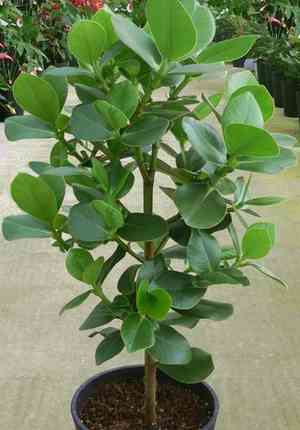
Renowned for its resilient foliage suitable for inscribing, the autograph tree is a hardy, perennial variety. Trimming ought to concentrate on excising deceased or compromised limbs to preserve vitality and form. Cut back to a side branch or leaf joint to stimulate robust development. The optimal times for pruning are early spring or during winter dormancy, facilitating rapid recuperation. Consistent trimming improves air circulation, light access, and fosters a dense structure, crucial for this potentially sizable plant.
What Are the Benefits of Pruning Autograph Tree?
What Are the Benefits of Pruning Autograph Tree?
Trimming autograph tree promotes abundant flowering and strengthens its resistance to pests and illnesses, ensuring a vigorous, thriving specimen.
What Is the Best Time for Pruning Autograph Tree?
What Is the Best Time for Pruning Autograph Tree?
Early spring is ideal as it precedes autograph tree's active growth, allowing the plant to channel energy into new development after removing unwanted branches. Pruning at this time also minimizes sap loss, which is more common during later, active growth periods. This ensures the plant's vitality and prevents stress. Winter, during dormancy, is also suitable for pruning autograph tree. This timing avoids disrupting flowering or fruiting and offers better visibility of the plant's structure due to less foliage, enabling more accurate cuts and shaping. It also reduces the risk of introducing plant diseases, as many pathogens are inactive in colder weather. Winter pruning prepares autograph tree for robust spring growth by eliminating dead or diseased wood and fostering a healthier structure.
What Tools Do I Need to Prune Autograph Tree?
Hand Pruners
Perfect for precise trimming of smaller branches and twigs on autograph tree. Used for shaping and removing damaged foliage, these tools provide clean cuts that encourage healthy regrowth.
Loppers
Designed for cutting thicker branches, typically up to 2 inches in diameter. As autograph tree can develop substantial branches, loppers offer the necessary leverage and reach for effective pruning.
Pruning Saw
Useful for cutting through larger branches over 2 inches thick. Given the potential size of autograph tree, a pruning saw is essential for managing mature growth and maintaining its structure.
Hedge Shears
Beneficial for creating a neat and sculpted appearance when autograph tree is grown as a hedge. Hedge shears allow for quick and uniform trimming and shaping of overgrown foliage.
Pole Pruner
Provides an extension for reaching higher branches, making it possible to prune autograph tree without needing a ladder. This ensures safety when tending to taller specimens.
How to Prune Autograph Tree
Step1: Inspect for Dead or Diseased Wood
Examine autograph tree for dead or diseased wood. Begin by checking the plant for any branches that are no longer alive or show signs of illness such as discoloration, fungus, or decay.
Step2: Sterilize Pruning Tools
Sanitize your pruning tools. Use a bleach solution or rubbing alcohol to sterilize pruning shears, saws, or clippers before making any cuts. This helps prevent the spread of disease.
Step3: Identify Dead Wood
Prepare for dead wood removal. Identify dead wood by looking for branches that are brittle, lack leaves, and do not bend when flexed. Confirm a branch is dead by scratching a small section of bark to see if there is green tissue underneath; absence of green indicates dead wood.
Step4: Make Clean Cuts to Remove Dead Wood
Prune dead wood. Make clean cuts using appropriate tools (hand shears for small branches, loppers or a saw for larger branches) just above a live node, branch collar, or a lateral branch that is facing the outside of the plant to encourage proper growth form.
Step5: Cut Away Diseased Branches
Remove diseased branches. Cut well below the affected area, at least several inches into healthy wood to ensure all parts of the diseased tissue are removed. Avoid tearing the bark or leaving jagged edges, as these can become entry points for further disease.
Step6: Smooth Pruned Edges
Clean up the wound. If necessary, carefully trim any ragged edges left from larger cuts to create a smooth surface that will heal more effectively. Do not apply wound dressing; autograph tree can heal without such materials and they can sometimes inhibit healing and encourage rot.
Step7: Disinfect Tools After Pruning
Disinfect the tools again after pruning diseased material and before moving on to healthy branches, to prevent spreading pathogens to other parts of autograph tree or to other plants.
Step8: Assess Plant's Shape
Evaluate the plant's overall shape. After dead and diseased wood are removed, step back and check the plant's form. Removing dead and diseased branches sometimes reveals other structural issues that can be addressed in a future pruning session, once the plant has recovered.
Step9: Dispose of Pruning Debris
Dispose of debris. Collect all removed material and dispose of it appropriately, away from healthy plants to prevent any potential spread of disease. Do not compost diseased material as it can infect the compost.
Step10: Care for Plant Post-Pruning
Water and care for autograph tree after pruning. Ensure the plant is well-watered and apply a balanced fertilizer if necessary, to support recovery and new growth. Monitor the pruned areas for signs of new growth or potential issues in the following weeks.
Post-Pruning Care for Autograph Tree
Post-Pruning Care for Autograph Tree
Immediately after pruning autograph tree, ensure clean cuts to prevent disease. Place the plant in bright, indirect light, maintain high humidity, and keep the temperature between 60-85°F for optimal recovery. Apply a balanced, slow-release fertilizer to support regrowth but avoid overfeeding which can stress autograph tree. Regularly inspect for wilting, discoloration, or pests, indicating stress or infection. If such signs appear, adjust care practices and consult a specialist if needed.
Common Pruning Mistakes with Autograph Tree
Overly Aggressive Pruning Stress
Pruning too aggressively which can stress autograph tree and potentially lead to poor growth or an undesirable shape.
Using Dull or Dirty Pruning Tools
Using dull or dirty tools that can damage autograph tree's branches and leave it vulnerable to disease.
Excessive Foliage Removal Hinders Photosynthesis
Removing too much foliage at once, which can reduce autograph tree's ability to photosynthesize effectively and harm its health.
Incorrect Cuts Impair Proper Healing
Failing to make clean cuts at the correct angle, which can prevent proper healing and leave autograph tree susceptible to pests and diseases.
Failing to Remove Dead or Diseased Branches
Neglecting to remove dead or diseased branches, which can impede autograph tree's growth and spread issues to healthy parts of the plant.
Common Pruning Tips for Autograph Tree
Use Sharp, Clean Tools for Precise Cuts
Ensure that the pruning tools are sharp and clean before beginning work on autograph tree to make precise cuts and reduce the risk of infection.
Prune Just Above Nodes or Buds for Growth
Make angled cuts just above a leaf node or bud to encourage new growth in the desired direction.
Remove Dead or Unhealthy Branches Regularly
Regularly inspect and remove any dead, damaged, or diseased branches to maintain autograph tree's health and appearance.
Maintain Natural Shape, Avoid Drastic Reduction
Prune autograph tree to maintain its natural shape, focusing on thinning out rather than drastically reducing its size to avoid over-pruning.
Gradual Shortening of Branches to Avoid Shock
When shortening branches, do so in stages throughout the growing season to prevent shock and stress on autograph tree, ensuring a gradual reformation of its structure.
Keep Strong Branches, Prune Weak Growth
Retain the strongest, healthiest branches and prune out smaller, weaker growth to improve air circulation and light penetration throughout autograph tree.



