How to Prune Butterfly pea?
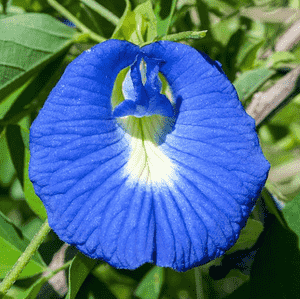
Originating in tropical Asia, Clitoria ternatea is celebrated for its vivid blue blossoms and ability to fix nitrogen. Trim butterfly pea by excising withered or ailing stems, sculpting its form, and fostering denser development. The most effective period for pruning, from early spring through late autumn, stimulates abundant flowering and controls the plant's dimensions. For butterfly pea specifically, trimming encourages the formation of new flower buds, thereby improving its aesthetic appeal. Consistent pruning additionally improves air circulation, diminishing the likelihood of disease for this particular plant.
Advantages of Trimming Butterfly Pea
Advantages of Trimming Butterfly Pea
Trimming butterfly pea promotes abundant blooming, revitalizes its development, and maintains a tidy shape, ensuring the plant stays vibrant and well-proportioned.
Optimal Period for Pruning Butterfly Pea
Optimal Period for Pruning Butterfly Pea
Pruning butterfly pea in early spring enables the plant to direct energy towards developing robust new growth as the season commences. This leverages the plant's dormant phase and fosters vigorous growth and prolific flowering in subsequent months. Furthermore, any damage from winter frosts can be removed at this time to encourage healthy development. Late autumn is also suitable for trimming butterfly pea, as the plant typically enters a dormant state with reduced growth activity. This timing ensures that pruning will not unduly stress the plant, allowing it to heal before colder winter temperatures arrive. It also helps prevent disease and pest infestations that might exploit fresh cuts during warmer, active-growth periods. Pruning during these seasons aligns with butterfly pea's growth cycle, keeping the plant strong and prepared for its peak flowering.
Tools Required for Pruning Butterfly Pea
Bypass Pruners
Perfect for making neat, precise cuts on butterfly pea's green, non-woody stems without causing undue harm to the plant.
Gardening Shears
Useful for shaping and managing the overall size of butterfly pea, allowing for quick trimming of multiple stems simultaneously.
Pruning Saw
Suitable for larger, more woody stems that butterfly pea might develop over time, enabling clean and efficient larger cuts.
Gloves
Protects the gardener's hands from potential skin irritants on butterfly pea's stems or foliage during pruning tasks.
Long-sleeved shirt
Shields the gardener from scratches and sun exposure while tending to butterfly pea.
How to Prune Butterfly Pea
Step1: Identifying Parts to Prune
Locate the spent flowers, dead stems, and weak shoots on butterfly pea. Spent flowers will appear faded or withered, dead stems will be brown and brittle, and weak shoots may be thinner and less vigorous than the rest of the plant.
Step2: Sterilizing Pruning Tools
Sanitize your pruning shears or scissors before starting to prune butterfly pea to prevent disease transmission. This can be done by wiping the blades with a 1:9 bleach-to-water solution, or simply using rubbing alcohol.
Step3: Trimming Faded Flowers
Begin by removing the spent flowers. Make a clean cut just beneath the flower head, approximately 1/4 inch above the nearest leaf set. This encourages butterfly pea to produce more blooms.
Step4: Pruning Dead Stems
Proceed to dead stems, which must be carefully cut back to living growth. Trim these stems as close to the main stem as possible without harming the healthy part of butterfly pea.
Step5: Cutting Back Weak Shoots
Identify weak shoots, which are generally less robust and may be spindly. Gently prune these back to a set of strong leaves or to the main stem of butterfly pea to redirect growth to stronger areas.
Step6: Cleaning Shears Between Cuts
After each cut, wipe your shears with a clean, damp cloth to remove any plant sap or debris, maintaining tool cleanliness while pruning butterfly pea.
Step7: Disposing of Pruned Debris
Once all pruning is finished, collect and discard the plant debris. This helps prevent potential disease or pest issues from affecting butterfly pea.
Step8: Monitoring Post-Pruning Recovery
Observe butterfly pea after pruning to ensure the plant is healthy and to determine if further pruning is necessary. Pruning typically stimulates new growth, so continue to support the plant with adequate water and fertilizer as it recovers and regrows.
Post-Pruning Care for Butterfly Pea
Post-Pruning Care for Butterfly Pea
Immediately after pruning butterfly pea, water gently to aid recovery. Maintain a humid, indirectly bright environment, avoiding extreme temperatures. Implement a balanced fertilizer regimen to encourage growth but avoid over-fertilization that can stress the plant. Regularly inspect pruned areas for signs of infection — wilting, discoloration, or rot — and act promptly with fungicides if needed. Ensure butterfly pea receives consistent care, closely observing for recovery and new growth.
Common Pruning Errors with Butterfly Pea
Excessive Pruning Impedes Flowering and Photosynthesis
Over-pruning, which can stress butterfly pea and diminish its capacity to flower. Removing too much foliage at once can hinder photosynthesis and weaken the plant.
Avoid Indiscriminately Cutting Old Woody Stems
Cutting into old, woody stems without careful consideration often results in damage. For butterfly pea, it's crucial to assess stem health before making cuts to prevent unnecessary harm to mature growth.
Use Clean, Sharp Tools to Prevent Disease
Employing dull or dirty pruning tools, which can cause jagged cuts and elevate the risk of disease. Clean, sharp tools are essential for precise cuts and rapid healing.
Understand Growth Patterns Before Pruning
Pruning haphazardly without comprehending butterfly pea's growth pattern. This can lead to a misshapen plant and potentially impede its natural development.
Regularly Remove Dead or Diseased Plant Parts
Neglecting to remove dead or diseased portions of the plant, which can impact overall health and appearance. Consistent maintenance is vital for butterfly pea's vigor.
General Pruning Advice for Butterfly Pea
Focus on Dead, Diseased, Overgrown Stems
Identify the parts of butterfly pea to be pruned: concentrate on dead, diseased, or weak stems, as well as any overgrown areas that require shaping for aesthetic purposes or to improve air circulation.
Cut at 45-Degree Angle Above Outward Bud
Utilize the correct technique by making clean cuts at a 45-degree angle approximately 1/4 inch above a bud facing away from the plant's center. This promotes outward growth and prevents water accumulation on the cut surface.
Prune Only a Third of the Plant at a Time
Moderate your pruning by only cutting back about one-third of the plant at any given time. This practice helps butterfly pea recover more quickly and reduces stress on the plant.
Keep Pruning Tools Clean and Sharp
Regularly clean and sharpen your pruning tools to ensure clean cuts and minimize the risk of spreading pests or diseases between plants.
Water and Nutrient Care Post-Pruning
After pruning, provide appropriate plant care by watering and supplying nutrients if necessary to support recovery and new growth.



