How to Prune Bluebead Lily?
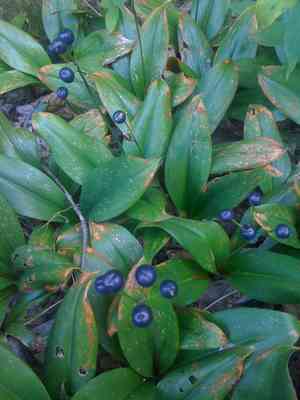
This enduring herbaceous plant is recognized for its compact grouping of yellowish-green blossoms and prominent azure fruits. For bluebead Lily, trimming requirements are slight, primarily involving the elimination of deceased or impaired leaves to uphold the plant's well-being and visual appeal. The most suitable periods are early spring or late winter, prior to the emergence of fresh shoots. Key considerations involve refraining from extensive cutting to safeguard its inherent forest-like appearance and acknowledging that bluebead Lily seldom necessitates pruning, which fosters development and fruit yield in its native environment.
What Are the Benefits of Pruning Bluebead Lily?
What Are the Benefits of Pruning Bluebead Lily?
Trimming bluebead Lily promotes robust development and helps maintain its desired form, essential for garden aesthetics and space management.
What Is the Best Time for Pruning Bluebead Lily?
What Is the Best Time for Pruning Bluebead Lily?
Trimming bluebead Lily in late winter or early spring is optimal as it remains dormant before new growth emerges. This timing prevents stress from cutting during active growth. It also allows bluebead Lily to recover from cuts and direct energy to new growth in the upcoming season, ensuring sustained vitality and flowering potential. Furthermore, the absence of leaves at this time offers better visibility for precise pruning decisions.
What Tools Do I Need to Prune Bluebead Lily?
Hand Pruners
Crucial for making clean cuts on bluebead Lily's stems without causing unnecessary harm to the plant. Perfect for removing dead or damaged foliage.
Gloves
Recommended to shield hands from sharp edges while handling bluebead Lily, ensuring a safe pruning experience.
Disinfectant
Important for sanitizing pruning tools before and after use to prevent the spread of diseases to or from bluebead Lily.
Gardening Shears
Useful for shaping and maintaining the overall form of bluebead Lily if necessary, assisting in selectively thinning its foliage.
How to Prune Bluebead Lily
Clean Tools
Before pruning bluebead Lily, sanitize your pruning shears or scissors with alcohol to prevent disease transmission.
Cut Dead Leaves
Identify and remove any dead leaves from bluebead Lily by cutting at the base of the leaf stem using sharp shears. Be careful not to harm the bulb or nearby healthy tissue.
Trim Wilted Stalk
Cut back the wilted stalk of bluebead Lily to just above soil level, ensuring you do not damage any new growth that may be developing at the plant's base.
Collect Debris
Dispose of all trimmed parts and debris to reduce the risk of pests or diseases returning to bluebead Lily.
Cleanup
Clean your pruning tools after use and wash your hands to prevent cross-contamination between plants.
Common Pruning Mistakes with Bluebead Lily
Over-Pruning
Removing too many leaves or stems from bluebead Lily, which can weaken the plant and reduce its ability to photosynthesize effectively.
Improper Cutting
Cutting too close or too far from the node on bluebead Lily, which can lead to poor healing and increase disease risk.
Using Dull Tools
Utilizing dull or dirty pruning tools can result in jagged cuts that leave bluebead Lily vulnerable to pests and diseases.
Ignoring Health
Failing to remove dead or diseased foliage, which can harm the overall health and appearance of bluebead Lily.
Neglecting Habitat
Pruning without considering bluebead Lily's natural growing conditions and environment, thereby affecting its ability to thrive.
Pruning Without Reason
Pruning bluebead Lily without a specific purpose such as shaping, removing damaged parts, or promoting growth, which can be unnecessary and detrimental to the plant.
Common Pruning Tips for Bluebead Lily
Clean Cuts
Ensure cuts are clean and sharp to promote rapid healing for bluebead Lily, using well-maintained and sterilized pruning tools.
Health Prioritization
Prioritize the removal of diseased, damaged, or dead material from bluebead Lily to maintain plant vigor and appearance.
Minimal Pruning
Understand that bluebead Lily generally requires minimal pruning, focusing on the removal of any problematic growth rather than extensive shaping.
Protective Growth
Recognize that the foliage of bluebead Lily is vital for photosynthesis and energy storage, so retain as much healthy growth as possible.
Gentle Handling
Handle bluebead Lily gently during pruning to avoid damage to its delicate stems and foliage.
Strategic Cuts
Make strategic cuts to thin out dense areas without significantly altering the shape or size of bluebead Lily, thus enhancing airflow and light penetration.



