How to Prune Lesser calamint?
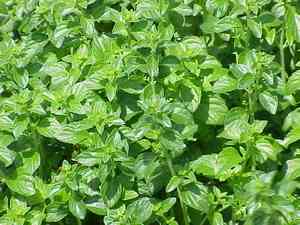
Celebrated for its fragrant leaves and abundant purple blossoms, lesser calamint flourishes with consistent trimming to preserve its dense shape and stimulate prolific flowering. The perfect time for pruning is in late spring following the initial burst of flowers to encourage a subsequent bloom. Gentle shaping during summer maintains its neatness, eliminating faded flowers and fostering fresh development. A more substantial cut in autumn readies lesser calamint for the colder months, guaranteeing a strong resurgence in spring. Advantages of pruning encompass improved plant vitality and aesthetic appeal through the removal of spent blooms and form management.
What Are the Benefits of Pruning Lesser Calamint?
What Are the Benefits of Pruning Lesser Calamint?
Trimming lesser calamint promotes abundant flower production, stimulates vigorous development, and maintains a compact, attractive form. These practices improve lesser calamint's overall health and decorative appeal.
What Is the Best Time for Pruning Lesser Calamint?
What Is the Best Time for Pruning Lesser Calamint?
Trimming lesser calamint in spring is advantageous as it aligns with its natural growth cycle when the plant begins active development. This timing allows lesser calamint to quickly recover from pruning and channel energy into new growth, supporting more prolific summer flowering. Additionally, any dead or damaged winter growth can be removed, preventing disease and fostering healthier, more robust plants. Early fall pruning is also suitable for shaping the plant and removing spent blooms, strengthening lesser calamint for the next season. However, avoid heavy pruning late in fall, as new growth might not harden off before winter frosts, potentially causing harm.
What Tools Do I Need to Prune Lesser Calamint?
Hand Pruners
Lesser calamint is a small, perennial herb that benefits from light trimming to encourage denser growth and maintain its shape. Hand pruners are perfect for snipping stems and removing individual spent flowers. Opt for sharp, bypass pruners to make clean cuts without crushing delicate stems.
Pruning Shears
For shaping and general upkeep of lesser calamint, pruning shears or secateurs are appropriate. They allow precise control over which stems to cut and can also be used to deadhead faded blossoms, promoting healthier growth and more blooms.
Gardening Gloves
It is advisable to wear gardening gloves when trimming lesser calamint to shield hands from potential irritants in the plant's oils, and to maintain a firm grip on tools during the task.
Garden Scissors
For thinning out small, congested areas and performing detailed work on lesser calamint, garden scissors offer the necessary precision. Their short blades are ideal for reaching into dense foliage without harming adjacent stems.
How to Prune Lesser Calamint
Remove diseased leaves
Regularly inspect lesser calamint for any signs of illness. Using sterilized pruning shears, carefully remove diseased leaves by cutting at the base of the leaf stem, ensuring healthy parts remain untouched.
Trim withered leaves
Identify withered or yellowing leaves on lesser calamint. Gently trim these leaves at the base of the leaf stem to encourage new growth, making clean cuts to prevent damage.
Deadhead flowers
After lesser calamint's blooming period, locate faded flowers. Deadhead by cutting the flower stem back to just above the first pair of healthy leaves or buds, which promotes continued flowering.
Thin out
Thin out dense areas by selectively pruning overcrowded branches of lesser calamint. This improves air circulation and light penetration, crucial for the plant's health.
Shape plant
Finally, shape lesser calamint for a neat appearance by evenly trimming around the plant. Focus on maintaining a natural shape while controlling size and removing any outlying branches.
Common Pruning Mistakes with Lesser Calamint
Over pruning
Removing excessive foliage from lesser calamint at once can weaken the plant, potentially leading to poor growth and reduced flowering. As a general guideline, avoid cutting back more than one-third of the plant during a single pruning session.
Improper cut sites
Cutting lesser calamint in the wrong location can lead to disease entry and poor regrowth. Always prune just above a set of leaves or a node to encourage healthy new branching.
Dull tools
Using tools that lack sharpness can damage lesser calamint stems, creating jagged cuts more susceptible to disease. Ensure tools are well-maintained and sharp for clean cuts.
Neglecting deadheading
Failing to remove spent flowers from lesser calamint not only impacts the plant's appearance but can also hinder rejuvenation and future blooming.
Ignoring plant shape
Pruning without considering lesser calamint's natural shape may result in a less aesthetically pleasing plant. Pruning should enhance the plant's form, not work against it.
Common Pruning Tips for Lesser Calamint
Selective pruning
Focus on removing dead, diseased, or weak stems from lesser calamint, which helps to improve air circulation and direct energy to healthier growth.
Encouraging bushiness
Pinching or light trimming of lesser calamint tips encourages denser growth and more abundant flowering. Ensure this is done early in the season to allow for ample growth.
Post-blooming trim
After the main flowering period, give lesser calamint a light trim to stimulate a second flush of blooms. This can be done immediately after the first round of flowers has faded.
Tool sanitization
To prevent disease spread, clean and disinfect pruning tools before and after use on lesser calamint. This is especially important if the tools were used on a diseased plant.
Gradual rejuvenation
For older lesser calamint specimens with significant woody growth, spread out rejuvenation over several seasons. Gradually reduce the plant's size instead of performing a harsh cutback in one go.



