How to Prune Summersweet?
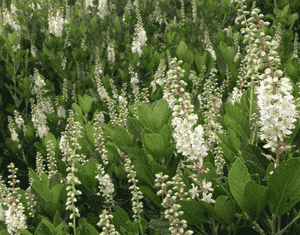
This leaf-shedding bush, recognized for its aromatic blossoms and neat structure, flourishes with infrequent trimming. For summersweet, perform a light reduction in early spring to preserve its outline and eliminate any lifeless or compromised branches. Winter pruning can stimulate robust growth in the spring. Removing older stalks can revitalize the specimen, while post-bloom cuts deter an elongated appearance. Trimming assists in sustaining a pleasing shape, boosting flowering, and guaranteeing the plant's health.
Advantages of Trimming Summersweet
Advantages of Trimming Summersweet
Trimming summersweet helps boost flower production and ward off illnesses. Thoughtful cuts can encourage fresh, robust growth, leading to more abundant blooms and lowering the chance of pest and infection issues.
Optimal Period for Trimming Summersweet
Optimal Period for Trimming Summersweet
Summersweet is a shrub that flowers in summer, forming its buds on new wood. Pruning in early spring allows for shaping and promotes strong new growth, resulting in summer blossoms. Pruning while summersweet is dormant in winter minimizes stress and prevents the loss of the next season's flowers, as new flowering wood has not yet developed.
Required Tools for Summersweet Pruning
Hand Pruners
Perfect for cutting smaller stems and branches on summersweet, hand pruners ensure a clean cut without harming the plant. Opt for bypass pruners over anvil types to avoid crushing stems.
Loppers
For thicker branches that hand pruners can't manage, loppers offer extended reach and increased leverage, simplifying the shaping and structural maintenance of summersweet.
Pruning Saw
If summersweet has branches exceeding 1.5 inches in diameter, a pruning saw is essential for precise and clean removal of these larger limbs without stressing the plant.
Hedge Shears
These are useful for shaping summersweet if it's being maintained as a hedge or for achieving a formal look. Their long blades facilitate straight, even cuts across multiple stems.
How to Prune Summersweet
Step1: Timing Pruning for Plant Health
Select the appropriate time to prune summersweet, ideally late winter or early spring before new growth begins.
Step2: Sterilizing Pruning Tools
Sanitize your pruning tools with rubbing alcohol or a bleach solution to prevent disease transmission.
Step3: Removing Dead Branches
Begin by eliminating any dead wood. Identify dead branches by their dry, brittle appearance and lack of buds. Make cuts at a 45-degree angle just above healthy buds, or back to the origin if the entire branch is dead.
Step4: Pruning Damaged Shoots
Next, prune any damaged shoots. Look for signs of injury, disease, or irregular growth. Cut these shoots back to a healthy section of the branch, ensuring no stubs are left to rot.
Step5: Thinning for Air and Light
Trim back weak branches to improve air circulation and light penetration throughout the center of summersweet. Remove interior branches that are thin, spindly, or crossing others.
Step6: Light Shaping for Appearance
Lightly shape summersweet to maintain an attractive appearance. Make any necessary shaping cuts to maintain or reduce the size of summersweet, or to encourage a bushier growth habit, being careful not to remove more than one-third of the plant in a single year.
Step7: Assessing Plant Symmetry Post-Pruning
Evaluate the overall structure of summersweet after pruning. Step back to assess if the plant appears balanced and if further cuts are needed for symmetry.
Step8: Post-Pruning Cleanup
Clear all cuttings from around the base of summersweet to promote good hygiene and reduce the risk of pests or diseases.
Step9: Monitoring Post-Pruning Recovery
Observe summersweet after pruning for signs of new growth and good health, and water sufficiently to aid recovery.
Aftercare for Summersweet Post-Pruning
Aftercare for Summersweet Post-Pruning
Immediately after pruning summersweet, water thoroughly to lessen stress. Ensure summersweet is in partial to full sun, maintaining moderate humidity and avoiding extreme temperatures. Apply a balanced, slow-release fertilizer to restore nutrients. Watch summersweet for wilting leaves or unusual spots, indicating stress or infection. If symptoms appear, adjust care and consult an expert. Regularly check for new growth, a sign of successful recovery.
Common Pruning Errors with Summersweet
Excessive Pruning
Over-pruning, which involves removing too much of the plant at once, can stress summersweet and hinder its ability to flower.
Improper Tool Use
Using dull or dirty pruning tools can damage summersweet's branches and potentially introduce disease to the plant.
Ignoring Growth Habit
Cutting back summersweet indiscriminately without understanding its natural shape and growth habit can result in a less aesthetically pleasing form and reduced flowering.
Incorrect Cutting Technique
Pruning too close to the main trunk or other branches risks creating wounds that do not heal properly, leaving summersweet vulnerable to pests and diseases.
Neglecting Dead or Diseased Branches
Failing to remove dead, diseased, or crossed branches during pruning can compromise the overall health and appearance of summersweet.
General Pruning Advice for Summersweet
Clean and Sharp Pruning
Utilize clean, sharp pruning tools to make precise cuts, which helps promote rapid healing and reduces the chance of disease for summersweet.
Natural Shape Maintenance
Prune to preserve the natural form of summersweet, focusing on thinning out dense areas to enhance air circulation and sunlight penetration, which are vital for the health and blooming of summersweet.
Proper Cut Positioning
When removing branches, cut at a 45-degree angle approximately 1/4 inch above an outward-facing bud or branching point to encourage outward growth and prevent water from accumulating on the cut surface, which could lead to disease.
Removal of Unhealthy Wood
Regularly remove any dead or damaged wood, as well as any branches that are crossing or rubbing against each other to maintain the structural integrity and aesthetic form of summersweet.
Thinning Cuts for Light Exposure
Incorporate thinning cuts, which involve removing entire branches to their point of origin, to open up the interior of summersweet for better light exposure, which can lead to more vigorous growth and abundant flowering.
Selective Pruning for Growth Patterns
Be mindful of the growth pattern of summersweet and strive to enhance it through selective pruning, which supports the plant’s natural habitat tendencies and fosters healthier flowering shoots for the following seasons.



